
Call Us: (239) 427-1455
This site is for families seeking memory care services. For employment inquiries, visit our Indeed page.
Redefining Memory Care In Estero Florida
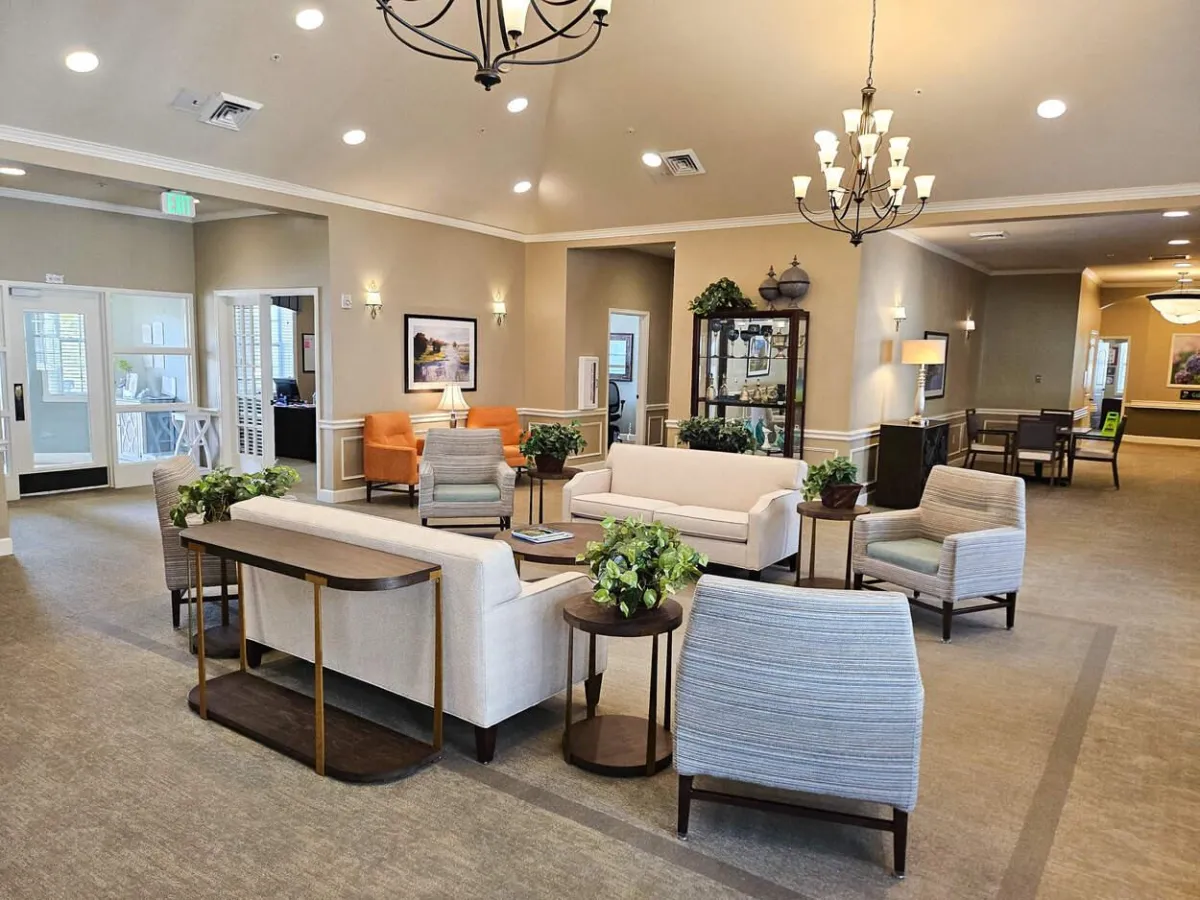
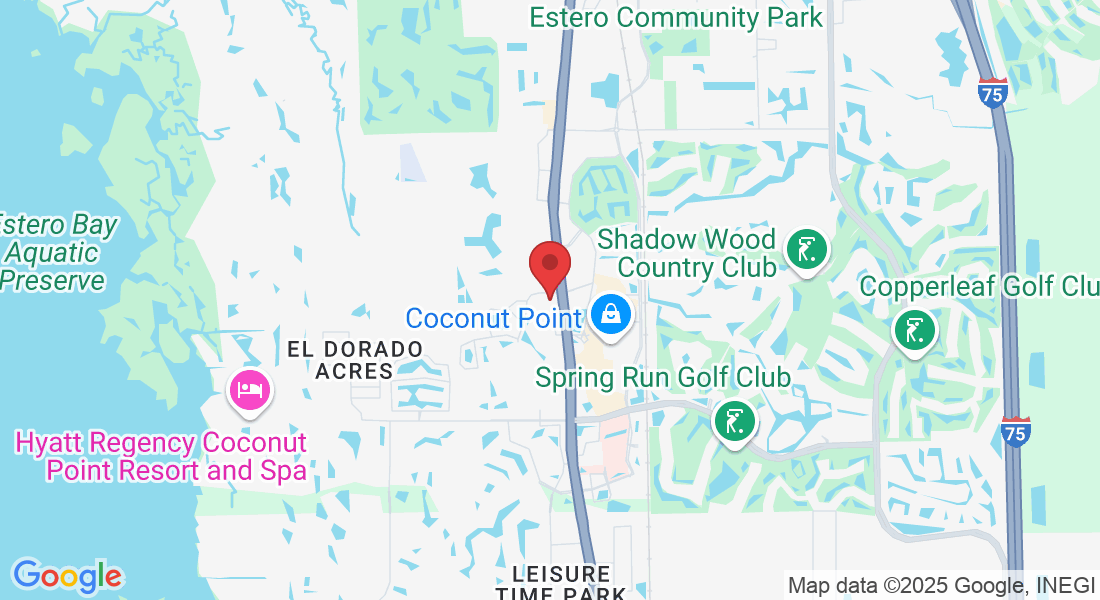
Choosing the right memory care community for a loved one is a deeply personal decision. At Gulf Coast Memory Care, conveniently located next to Coconut Point Shopping Center in Estero, Florida, we've created a haven of tranquility where residents can experience a luxurious and comfortable lifestyle. Let us help you make this important decision with confidence.
"Choose us with peace of mind; if within 90 days your heart pulls you elsewhere, we'll ensure a smooth transition and give your community fee back to help secure another place."
Your family's freedom to thrive is our top priority.

Award Winning Leadership

Understanding The Benefits Of Memory Care
Hear From Jen
We believe that exceptional care begins with open, honest, and ongoing communication. Families have direct access to our leadership and caregivers, including personal cell numbers, because staying informed should never be a struggle.
Every resident also receives a personalized care plan tailored to their needs, so families always stay connected.
Is It The Right Time For Memory Care?
Understanding that memory care is not a one-size-fits-all solution, we prioritize personalized care plans that adapt to each individual’s progression.
Learn more about senior care and get personalized results in this quick 5 minute survey.
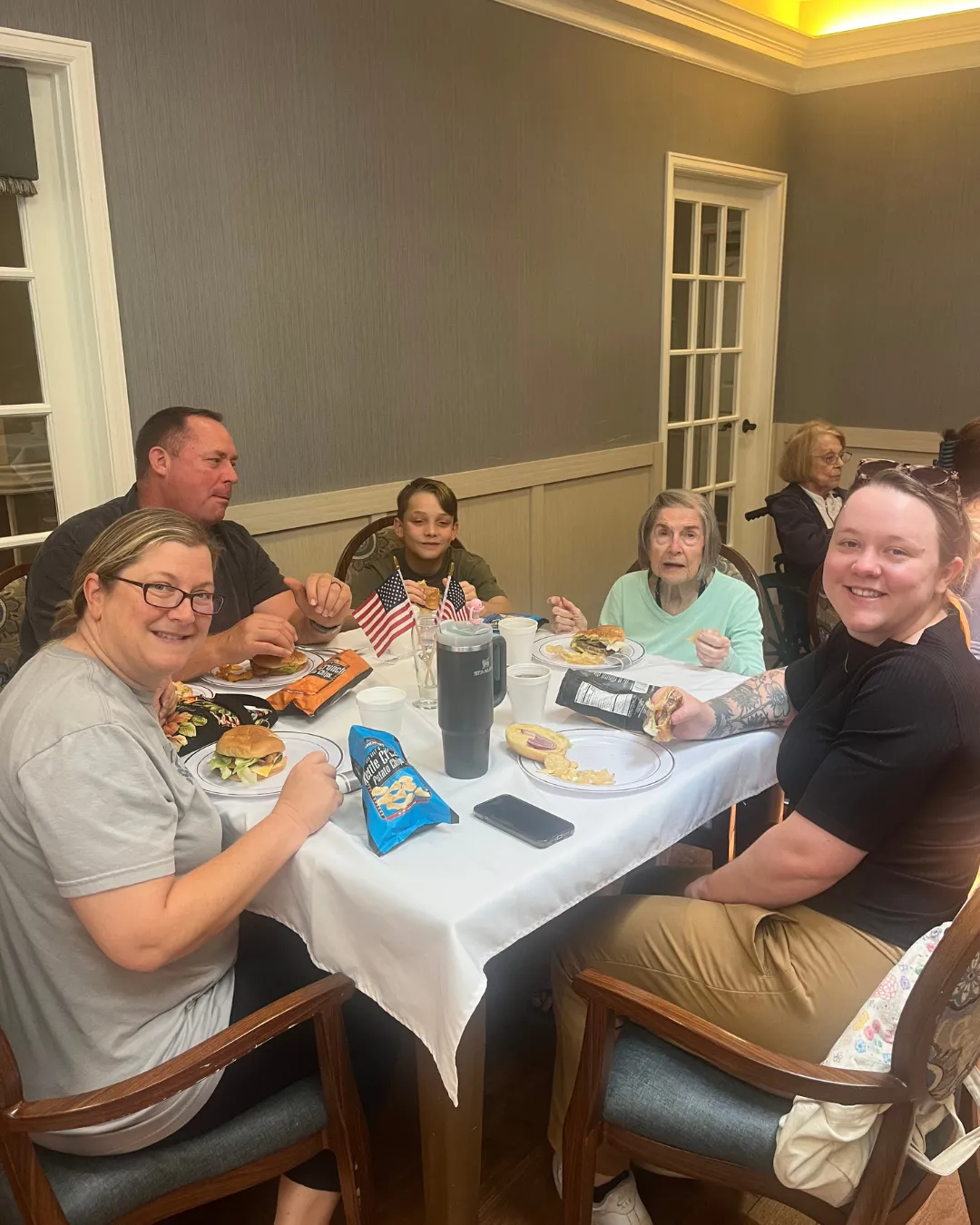
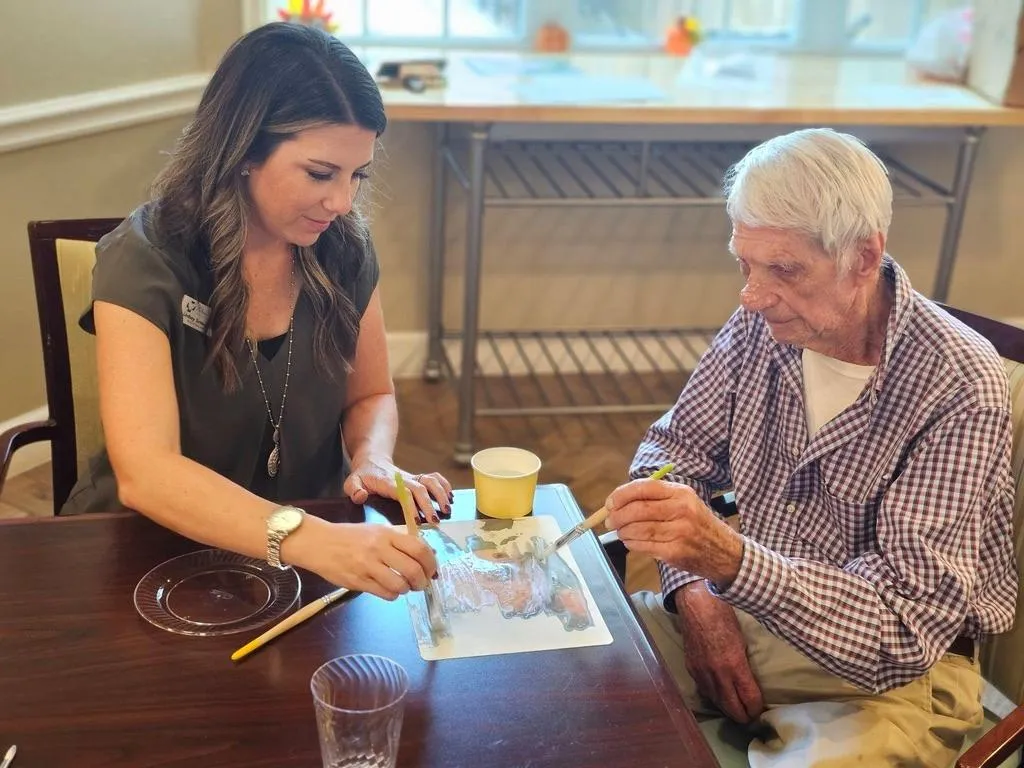
A Community For Alzheimer’s & Dementia Care
Families seeking Alzheimer’s and dementia support in Estero, Florida, can rely on our compassionate team for a community that truly cares.
Through ongoing training in the latest memory care practices and a commitment to safety, Gulf Coast Memory Care offers peace of mind for families and the highest standard of care for residents.
Love From Our Families


My mom moved into her new home a few weeks ago. I was able to visit with her this week while being in Florida and my gosh, I know she is right where she needs to be. Huge shoutout to Jerry, Diana, Paula, Kathy and Apryl. You are real life angels. The energy you bring is above and beyond. To see how you interact with not only my mom, but all the residents, it truly warms my heart. While it is heartbreaking to see my mom battle Alzheimer's, I know she is in the perfect place. She is safe and receiving the care she needs. <3 The place is clean, accommodating and most importantly feels like home. I love that there is a schedule and many activities for the residents to participate in. My mom has loved the painting and coloring
- Bill & Bonny B

Shelly Richardson
Upon entering this beautiful community, I was deeply impressed by the exceptional level of care and compassion demonstrated by all the caregivers. Every member of the team, from maintenance staff to the executive director, significantly contributes to the residents' quality of life. The interior courtyards offer a safe and beautiful outdoor escape for the residents, while the dining area is both elegant and spacious. GCMC stands out as one of the premier memory care centers I have ever visited.
- Bill & Bonny B

Exceptional dedication. Genuine care 24/7, everyone is doing a great job, from Management to the care team. Jerry and Diana are conducting the business, but you can see them walking the hallway and chatting with the residents, literally knowing everyone. There is an engine who works behind the scenes to have the day and night activity running smoothly. Family feeling, warmth, and genuine care, overall, 5 stars. Residents are never alone, there is always a pair of eyes to watch and hands ready to help as needed, but all is done in a certain way, so our loved ones don’t feel any loss of their independence. Beautifully done. The activities are not just lines on paper, everyone is involved. Food is first class.
- Bill & Bonny B
Our Senior Care Amenities
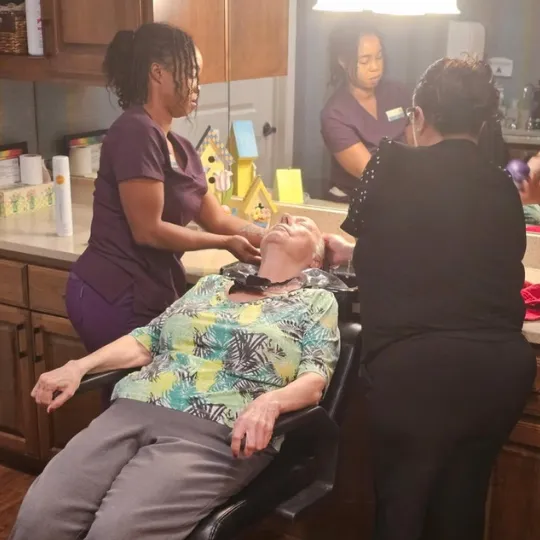
One-site beauty salon and barbershop
Personalized, chef-prepared meals
Customized activity programs
Craft and hobby room
Family living room
Full Library
Abundant natural light to minimize sundowning
Located next to Coconut Point Shopping Center
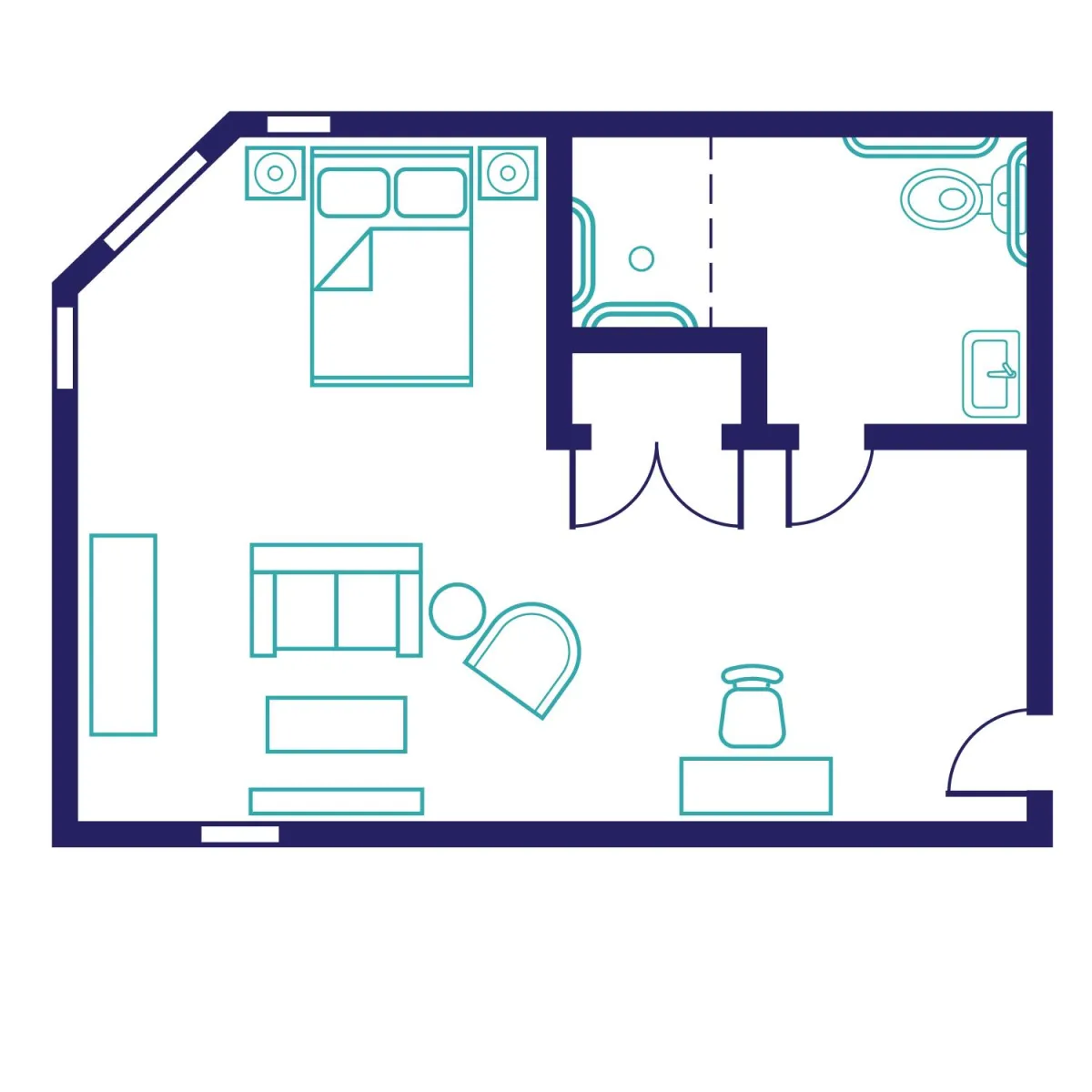
The Edison Suite
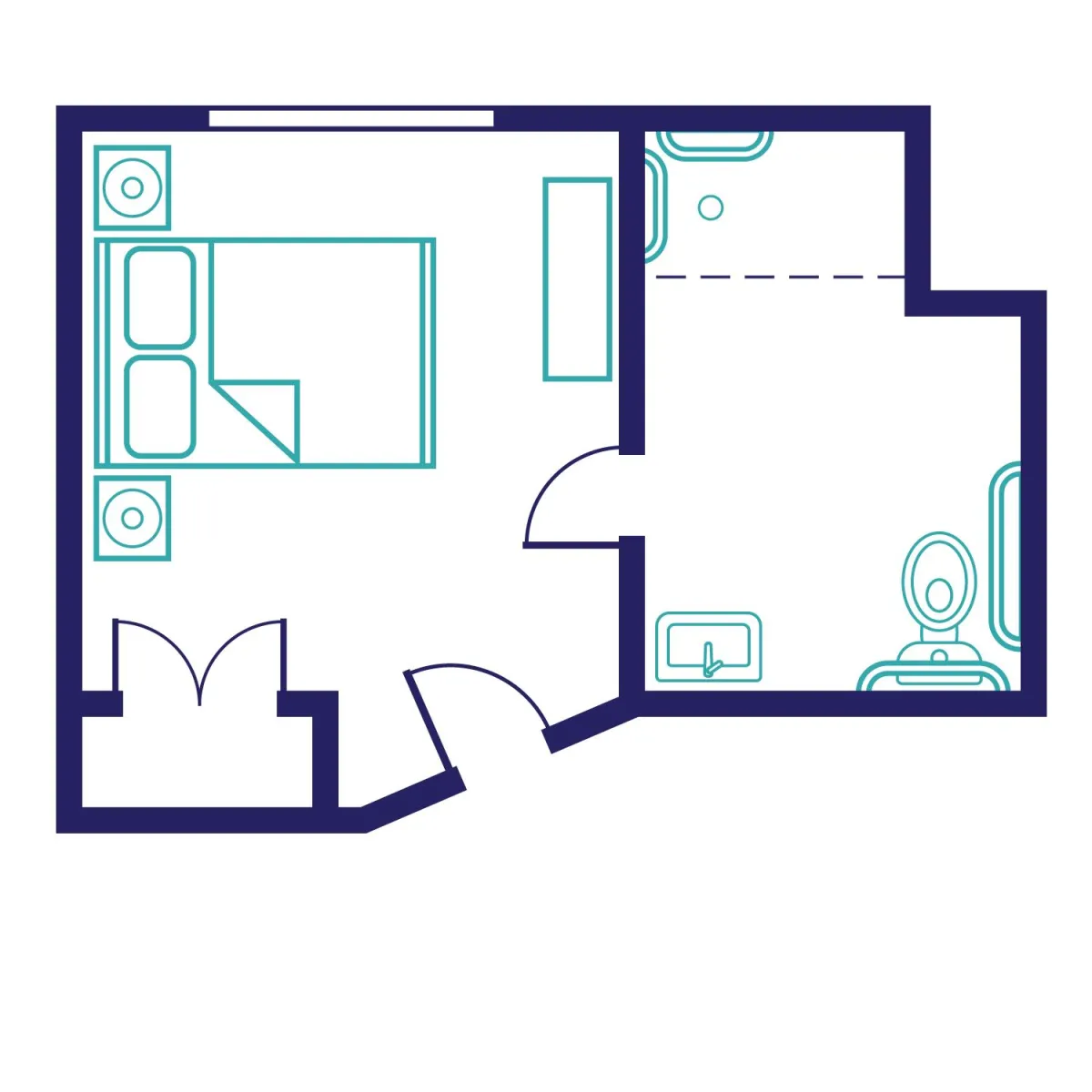
The Magnolia Suite
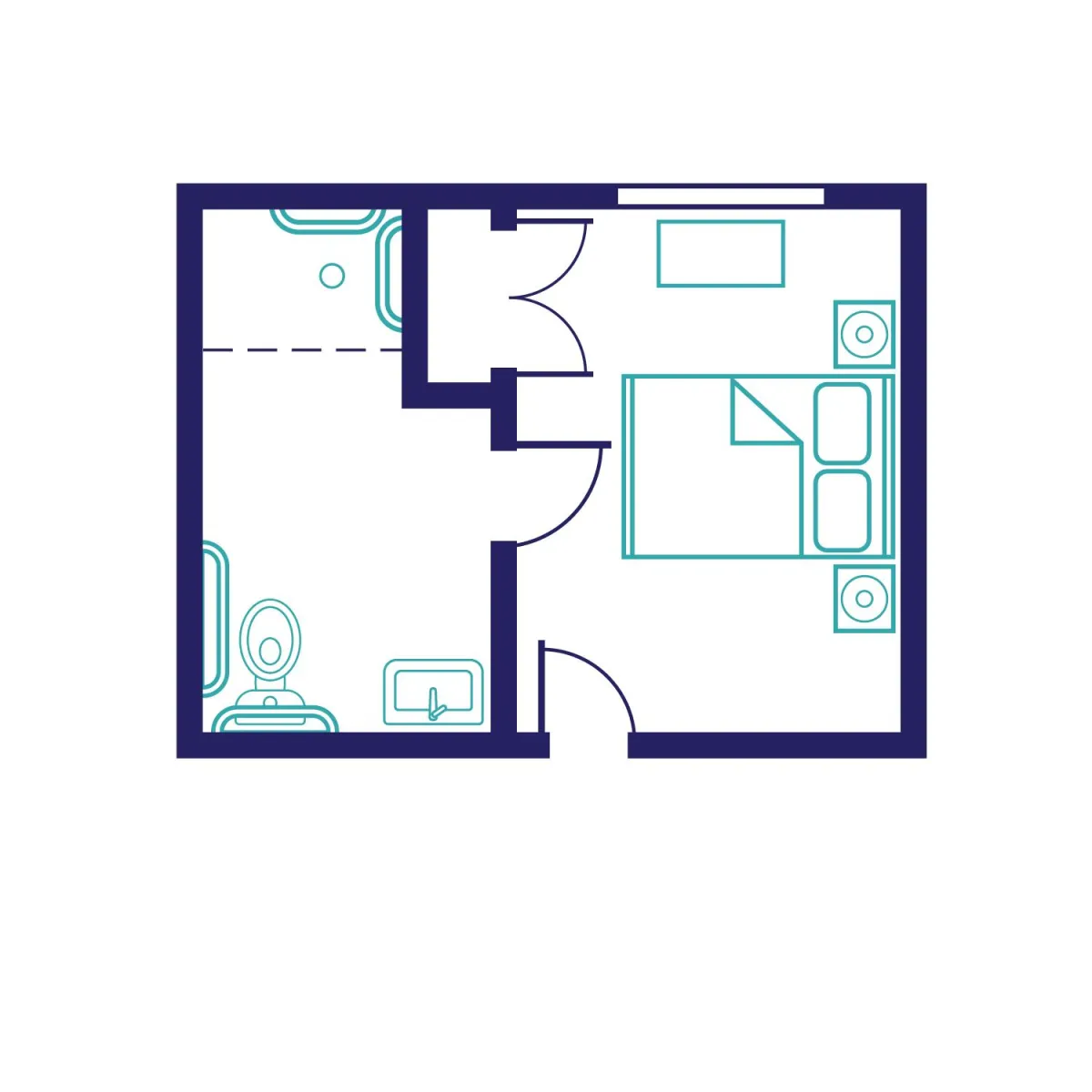
The Sugarberry Suite
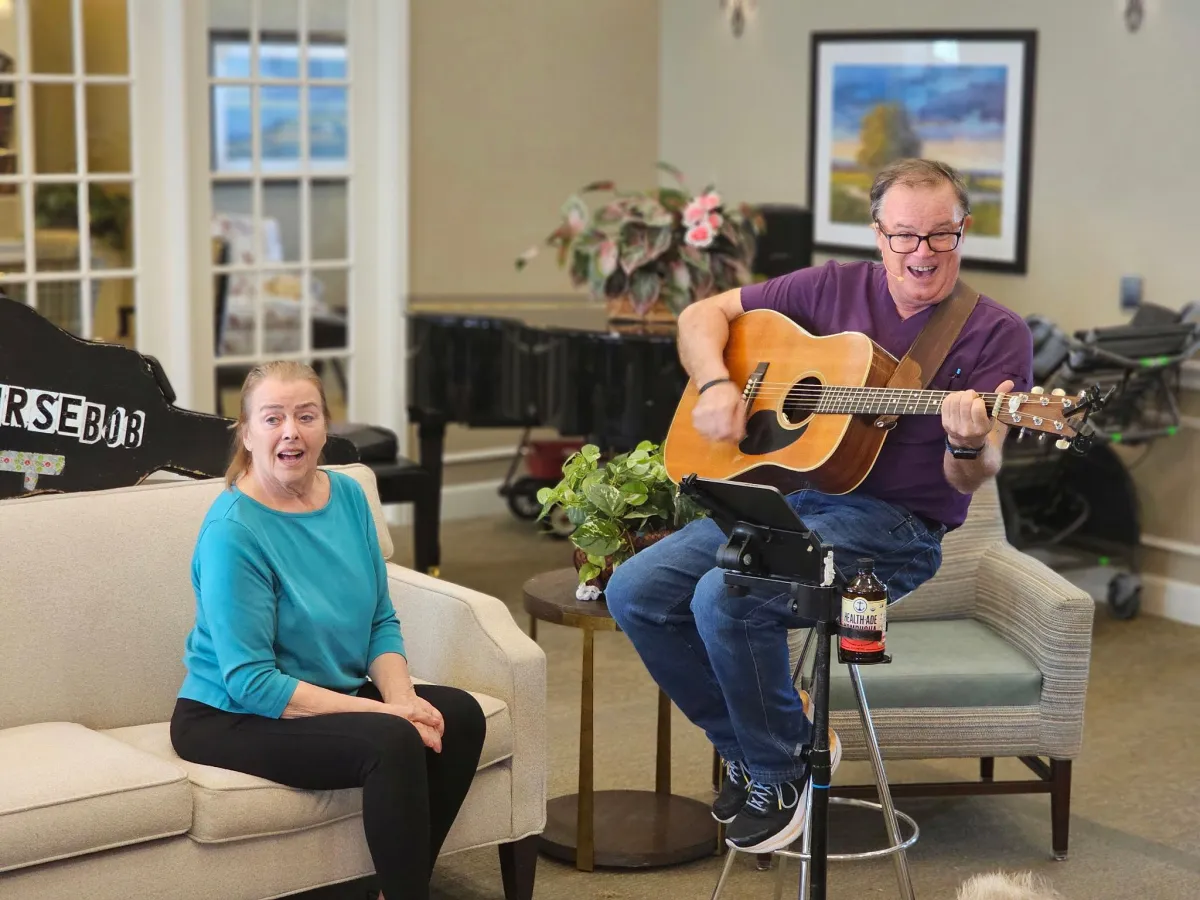
Engaging Residents With Meaningful Social Connections
We also prioritize activities that nurture both physical and mental wellness, from gentle exercise routines to social events that create a sense of community among residents. These carefully crafted programs are designed to boost mood, reduce anxiety, and encourage meaningful interactions, all of which contribute to a fulfilling lifestyle for those facing memory challenges.
Our Commitment To You
Our commitment extends to providing families with guidance and resources to understand memory loss and navigate the journey with confidence. Whether it’s through educational workshops or one-on-one consultations, we’re here to support families every step of the way, ensuring they feel connected and informed about their loved one’s care journey.
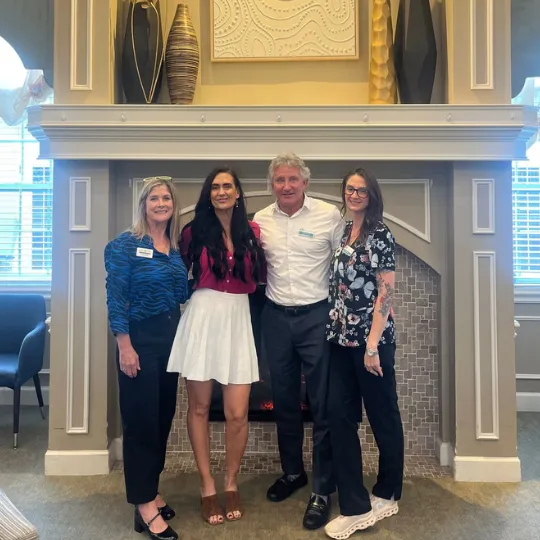
Are You Ready To Get Settled In?
Embark on a transformative experience at Gulf Coast Memory Care in Estero, Florida. We're not just a memory care community; we're a sanctuary where the mind, body, and spirit are nurtured. If you're seeking a place where compassion, care, and a deep respect for the human soul are paramount, you've found the right haven.
Check Out Our Blog

The Essential Fall Interventions List for Families
In a typical senior living facility, hundreds of falls can occur each year, a statistic that highlights a serious and persistent risk. For individuals with memory challenges, that risk is even higher. At Gulf Coast Memory Care, we believe fall prevention isn't just a protocol; it's woven into the fabric of our specialized care. It requires a deep understanding of how cognitive changes affect mobility and safety. We want to share that expertise with you. This guide offers a detailed fall interventions list that you can use to make your loved one’s environment safer, whether they are at home or in a community setting.
Key Takeaways
Address Safety from All Angles: True fall prevention involves looking at both personal health and the living space. Simple actions like reviewing medications, ensuring proper footwear, clearing pathways, and improving lighting work together to create a much safer environment.
Recognize How Memory Loss Impacts Safety: A fall risk for someone with dementia is different because their perception, balance, and judgment are affected. This is why a specialized environment, designed specifically for cognitive support, is more effective than a general one.
Treat Prevention as a Team Effort: Keeping your loved one safe is an ongoing conversation, not a one-time checklist. Partner with their care team through open communication to create a sustainable safety plan that adapts as their needs evolve.
Why Is Fall Prevention So Important for Seniors?
For any older adult, a fall can be a life-changing event. But when memory loss is involved, the risk increases, and the consequences can be even more serious. Preventing falls isn't just about avoiding injury; it's about protecting your loved one's confidence, independence, and quality of life. Understanding the risks is the first step toward creating a safer path forward. A proactive approach, grounded in expertise and compassion, makes all the difference in keeping them safe, secure, and on their feet.
Understanding the True Impact of a Fall
A fall is much more than a simple trip or stumble. For a senior, it can lead to serious injuries like fractures, which often require hospitalization and can permanently affect mobility. The fear of falling again can cause a person to become less active, leading to physical decline and social isolation. In settings like nursing homes, falls are incredibly common—a facility with 100 residents can expect to see between 100 and 200 falls each year. This statistic highlights a critical reality: without a focused prevention strategy, the risk is constant. The true impact of a fall is the loss of confidence and independence that follows, making prevention an essential part of compassionate care.
Proven Strategies That Keep Your Loved One Safe
The good news is that most falls are preventable. Effective safety strategies begin with understanding an individual’s specific risks. This involves regular assessments that look at everything from medications and mobility challenges to cognitive changes and fall history. Just as important is providing clear fall prevention education for both residents and their families. When everyone understands the contributing factors, they can work together as a team to create a safer environment. Awareness is the foundation of prevention, empowering you and your loved one to make simple changes that have a significant impact on their daily safety and well-being.
How Specialized Memory Care Helps Prevent Falls
In a general assisted living facility, fall prevention might be a checklist. In a community dedicated to memory care, it’s woven into the fabric of daily life. People with dementia experience the world differently; changes in depth perception, balance, and judgment can make a familiar room feel hazardous. Our approach addresses these unique challenges directly. From environments designed with clear sightlines and calming colors to staff trained to recognize non-verbal cues of distress or confusion, every detail is considered. This specialized focus means we can implement more effective, personalized strategies that go beyond grab bars and non-slip mats to truly support your loved one’s safety.
Personal Steps to Reduce Fall Risk
While creating a safe environment is key, personal health factors also play a huge role in preventing falls. As a family member, you can help your loved one manage these risks directly. Focusing on their physical well-being, from the medications they take to the shoes they wear, provides another layer of stability and confidence. These steps are practical, empowering, and can make a significant difference in their daily safety. At Gulf Coast Memory Care, we see these personal details as a core part of our holistic approach, integrating them into each resident’s care plan to ensure they feel secure and steady.
Review Medications to Improve Stability
One of the most common but overlooked causes of falls is medication side effects. Certain prescriptions, or even combinations of drugs, can cause dizziness, drowsiness, or a drop in blood pressure, all of which affect balance. It’s a great practice to schedule a medication review with your loved one’s doctor or pharmacist at least once a year. They can help identify any medicines that might increase fall risk and explore safer alternatives. At a dedicated memory care community, professional medication management is a core part of the daily routine, providing families with invaluable peace of mind.
Build Strength and Balance with Gentle Exercise
Maintaining muscle strength and good balance is fundamental to stability. As we age, we naturally lose muscle mass, but gentle, consistent exercise can counteract this. Activities like guided chair yoga, tai chi, or simple leg-strengthening exercises can significantly improve a person’s ability to stay steady on their feet. Even short, daily walks can help. The goal isn’t intense workouts but rather consistent movement that builds confidence and physical resilience. Our community’s daily programming is designed to incorporate gentle physical activity that supports residents’ strength and well-being.
Check Vision and Hearing Annually
Our senses are critical for helping us understand and move through our surroundings. If your loved one’s vision is blurry or their hearing is impaired, they may not notice a trip hazard or perceive distances correctly. That’s why annual eye and hearing exams are so important. Ensuring their prescriptions for glasses or hearing aids are up-to-date is a simple yet powerful way to reduce fall risk. Clear sight and sound provide the brain with the accurate information it needs to maintain balance and navigate spaces safely, helping your loved one feel more secure.
Choose the Right Shoes and Mobility Aids
What’s on your loved one’s feet matters more than you might think. Loose slippers, backless shoes, or footwear with slick, worn-out soles can easily lead to a slip or stumble. The best choice is a sturdy, well-fitting shoe with a non-slip rubber sole that supports the entire foot. If your loved one uses a cane or walker, make sure it has been properly sized for their height by a professional. An ill-fitting mobility aid can create more instability than it solves. These small details are part of creating a comprehensive safety net for your family member.
How to Create a Safer Environment
Creating a home that supports your loved one’s safety is one of the most powerful steps you can take. While you can’t prevent every stumble, you can make intentional changes that significantly reduce the risk of a serious fall. It’s about adapting their environment to meet their current needs, promoting confidence and independence while giving your family greater peace of mind. For someone living with memory changes, a familiar environment can become confusing or hazardous. Simple obstacles they once moved around without a thought can now pose a real danger. By proactively modifying their living space, you're not just removing physical barriers; you're also reducing potential anxiety and confusion that can lead to unsteadiness. Focusing on a few key areas—from clearing pathways to improving lighting—can transform a familiar space into a much safer one. These adjustments don't have to be complicated or expensive, but they can make a world of difference in daily life. Here are the most effective environmental changes you can make to create a secure and comfortable home.
Make Simple Home Safety Improvements
Start with the basics by looking at the main living areas. The goal is to create clear, unobstructed pathways from one room to another. This means keeping floors clear of clutter like stacks of magazines, loose cords, and unnecessary furniture. It’s also important to secure any loose rugs with double-sided tape or remove them entirely, as their edges are a common trip hazard. Simple additions like grab bars in hallways can also provide extra stability where it’s needed most. These small changes work together to prevent falls and make daily navigation much easier and safer for your loved one.
Improve Lighting for Better Visibility
Good lighting is a critical but often overlooked part of fall prevention. As we age, our eyes need more light to see clearly, and dim conditions can hide potential hazards. Making sure every room is well-lit can help your loved one maintain their balance and spot things they might trip over. Consider adding brighter bulbs to lamps and overhead fixtures, and place nightlights in hallways, bedrooms, and bathrooms to illuminate the path for late-night trips. Easy-to-use lamps, like those with touch sensors, can also make it simpler for them to turn on a light when they enter a dark room.
Secure Bathrooms and Stairways
Bathrooms and stairways are two of the highest-risk areas in any home. In the bathroom, wet surfaces create a significant slipping hazard. You can improve Bathroom Safety by adding non-slip mats inside and outside the tub or shower, installing a sturdy shower seat, and placing grab bars next to the toilet and in the shower. For stairways, ensure there is a secure handrail on at least one side and that every step is clearly visible. Adding non-slip treads to wooden stairs can also provide extra grip and stability, making each trip up or down much safer.
Use Technology for Peace of Mind
Modern technology can offer an invaluable layer of security and reassurance for your family. While not a replacement for physical home modifications, certain devices can provide immediate help in an emergency. Personal emergency response systems, often worn as a pendant or wristband, allow your loved one to call for help with the press of a button. You can also install motion-sensor lights that automatically illuminate dark areas when someone walks by. These tools are a key part of modern fall prevention efforts, helping you stay connected and ensuring that help is always within reach if a fall does occur.
How We Partner with Families on Fall Prevention
Preventing falls is a team effort, and we believe families are our most important partners in keeping residents safe. It’s a continuous conversation built on trust, shared knowledge, and a deep commitment to your loved one’s well-being. Our approach isn’t just about reacting to a fall—it’s about creating a proactive, supportive circle of care that anticipates needs and adapts over time. By working together, we can build a comprehensive safety net that honors your loved one’s dignity and independence while providing the highest level of protection.
Identifying Individual Fall Risks Early
The first step in preventing a fall is understanding who is most at risk. We begin by creating a detailed, personal safety profile for every resident. This isn't a generic checklist; it's a deep look into your loved one's specific needs. Our team regularly and carefully assesses key factors, including their medical history, current medications, mobility level, and cognitive state. By identifying these individual risk factors early, we can tailor a care plan that addresses potential challenges before they lead to a fall. This proactive approach is a core part of our specialized memory care philosophy.
Coordinating a Team-Based Care Plan
Once we understand the specific risks, our entire team collaborates to create a coordinated care plan. This isn't a document that sits in a file—it's a living strategy that guides our daily interactions. Our nurses, caregivers, and activity coordinators all contribute their expertise to design and implement a fall management program that works for your loved one. This team-based approach ensures that everyone who interacts with a resident is aware of their needs and is working toward the same safety goals. It’s how we ensure consistent, thoughtful care throughout our community.
Keeping You Informed and Involved
You know your loved one best, and your insights are invaluable. We are committed to keeping you informed and involved every step of the way. This means clear, consistent communication about any changes we observe and collaborative discussions about the care plan. We make sure you understand your loved one’s risk of falling and the specific steps we are taking to mitigate it. Your involvement helps create a stronger, more effective safety net. We believe that true partnership is built on transparency, and we invite you to schedule a tour to see how our team works with families.
Creating a Sustainable Safety Strategy
Effective fall prevention is an ongoing process, not a one-time fix. Our goal is to create a sustainable safety strategy that adapts as your loved one’s needs change. This includes everything from environmental modifications in our purpose-built floor plans to ensuring residents have the right assistive devices. We also integrate gentle, strength-building exercises into our daily programming. By combining a safe environment with personalized health and wellness support, we significantly reduce the risk of falls and help residents feel more confident and secure as they move through their day.
Related Articles
Exercise for Seniors: Safe and Effective Ways to Stay Active and Healthy
7 Memory Care Activities That Stimulate Cognitive Function in Seniors
Frequently Asked Questions
Why are people with dementia at a higher risk for falls? Changes in the brain can affect more than just memory; they can also impact depth perception, balance, and judgment. A familiar hallway or a simple shadow on the floor can become confusing and disorienting, leading to hesitation or an unsteady step. This is why a specialized approach is so important—it addresses the cognitive reasons for falls, not just the physical ones.
How is fall prevention different in a memory care community versus a standard assisted living facility? In many general assisted living communities, fall prevention is a standard protocol, like adding grab bars. In a community that is 100% focused on memory care, fall prevention is integrated into everything we do. Our staff is trained to understand dementia-related behaviors, our building is designed with clear sightlines and calming colors to reduce confusion, and our daily routines are structured to promote stability and confidence.
My loved one's home has a lot of potential trip hazards. Where is the best place to start making changes? Start with the most-used pathways. Clear the walkways between the bedroom, bathroom, and kitchen of any clutter, loose cords, or small pieces of furniture. Securing the edges of area rugs with double-sided tape or removing them completely is another simple, high-impact change. From there, focus on improving the lighting in these key areas, especially for nighttime.
Besides making the home safer, what personal health factors should I focus on? One of the most effective steps you can take is to schedule a medication review with their doctor, as some prescriptions can cause dizziness. Also, ensure they have annual vision and hearing check-ups, since our senses are key to navigating our surroundings safely. Finally, encourage gentle movement and make sure they wear sturdy, well-fitting shoes with non-slip soles.
How do you create a fall prevention plan for a new resident? Our process is a partnership from day one. We start by creating a detailed personal safety profile that looks at everything from their medical history and mobility to their cognitive state. From there, our entire care team—nurses, caregivers, and activity staff—collaborates with you to build a coordinated plan that addresses their specific needs and adapts as those needs change over time.

The Essential Fall Interventions List for Families
In a typical senior living facility, hundreds of falls can occur each year, a statistic that highlights a serious and persistent risk. For individuals with memory challenges, that risk is even higher. At Gulf Coast Memory Care, we believe fall prevention isn't just a protocol; it's woven into the fabric of our specialized care. It requires a deep understanding of how cognitive changes affect mobility and safety. We want to share that expertise with you. This guide offers a detailed fall interventions list that you can use to make your loved one’s environment safer, whether they are at home or in a community setting.
Key Takeaways
Address Safety from All Angles: True fall prevention involves looking at both personal health and the living space. Simple actions like reviewing medications, ensuring proper footwear, clearing pathways, and improving lighting work together to create a much safer environment.
Recognize How Memory Loss Impacts Safety: A fall risk for someone with dementia is different because their perception, balance, and judgment are affected. This is why a specialized environment, designed specifically for cognitive support, is more effective than a general one.
Treat Prevention as a Team Effort: Keeping your loved one safe is an ongoing conversation, not a one-time checklist. Partner with their care team through open communication to create a sustainable safety plan that adapts as their needs evolve.
Why Is Fall Prevention So Important for Seniors?
For any older adult, a fall can be a life-changing event. But when memory loss is involved, the risk increases, and the consequences can be even more serious. Preventing falls isn't just about avoiding injury; it's about protecting your loved one's confidence, independence, and quality of life. Understanding the risks is the first step toward creating a safer path forward. A proactive approach, grounded in expertise and compassion, makes all the difference in keeping them safe, secure, and on their feet.
Understanding the True Impact of a Fall
A fall is much more than a simple trip or stumble. For a senior, it can lead to serious injuries like fractures, which often require hospitalization and can permanently affect mobility. The fear of falling again can cause a person to become less active, leading to physical decline and social isolation. In settings like nursing homes, falls are incredibly common—a facility with 100 residents can expect to see between 100 and 200 falls each year. This statistic highlights a critical reality: without a focused prevention strategy, the risk is constant. The true impact of a fall is the loss of confidence and independence that follows, making prevention an essential part of compassionate care.
Proven Strategies That Keep Your Loved One Safe
The good news is that most falls are preventable. Effective safety strategies begin with understanding an individual’s specific risks. This involves regular assessments that look at everything from medications and mobility challenges to cognitive changes and fall history. Just as important is providing clear fall prevention education for both residents and their families. When everyone understands the contributing factors, they can work together as a team to create a safer environment. Awareness is the foundation of prevention, empowering you and your loved one to make simple changes that have a significant impact on their daily safety and well-being.
How Specialized Memory Care Helps Prevent Falls
In a general assisted living facility, fall prevention might be a checklist. In a community dedicated to memory care, it’s woven into the fabric of daily life. People with dementia experience the world differently; changes in depth perception, balance, and judgment can make a familiar room feel hazardous. Our approach addresses these unique challenges directly. From environments designed with clear sightlines and calming colors to staff trained to recognize non-verbal cues of distress or confusion, every detail is considered. This specialized focus means we can implement more effective, personalized strategies that go beyond grab bars and non-slip mats to truly support your loved one’s safety.
Personal Steps to Reduce Fall Risk
While creating a safe environment is key, personal health factors also play a huge role in preventing falls. As a family member, you can help your loved one manage these risks directly. Focusing on their physical well-being, from the medications they take to the shoes they wear, provides another layer of stability and confidence. These steps are practical, empowering, and can make a significant difference in their daily safety. At Gulf Coast Memory Care, we see these personal details as a core part of our holistic approach, integrating them into each resident’s care plan to ensure they feel secure and steady.
Review Medications to Improve Stability
One of the most common but overlooked causes of falls is medication side effects. Certain prescriptions, or even combinations of drugs, can cause dizziness, drowsiness, or a drop in blood pressure, all of which affect balance. It’s a great practice to schedule a medication review with your loved one’s doctor or pharmacist at least once a year. They can help identify any medicines that might increase fall risk and explore safer alternatives. At a dedicated memory care community, professional medication management is a core part of the daily routine, providing families with invaluable peace of mind.
Build Strength and Balance with Gentle Exercise
Maintaining muscle strength and good balance is fundamental to stability. As we age, we naturally lose muscle mass, but gentle, consistent exercise can counteract this. Activities like guided chair yoga, tai chi, or simple leg-strengthening exercises can significantly improve a person’s ability to stay steady on their feet. Even short, daily walks can help. The goal isn’t intense workouts but rather consistent movement that builds confidence and physical resilience. Our community’s daily programming is designed to incorporate gentle physical activity that supports residents’ strength and well-being.
Check Vision and Hearing Annually
Our senses are critical for helping us understand and move through our surroundings. If your loved one’s vision is blurry or their hearing is impaired, they may not notice a trip hazard or perceive distances correctly. That’s why annual eye and hearing exams are so important. Ensuring their prescriptions for glasses or hearing aids are up-to-date is a simple yet powerful way to reduce fall risk. Clear sight and sound provide the brain with the accurate information it needs to maintain balance and navigate spaces safely, helping your loved one feel more secure.
Choose the Right Shoes and Mobility Aids
What’s on your loved one’s feet matters more than you might think. Loose slippers, backless shoes, or footwear with slick, worn-out soles can easily lead to a slip or stumble. The best choice is a sturdy, well-fitting shoe with a non-slip rubber sole that supports the entire foot. If your loved one uses a cane or walker, make sure it has been properly sized for their height by a professional. An ill-fitting mobility aid can create more instability than it solves. These small details are part of creating a comprehensive safety net for your family member.
How to Create a Safer Environment
Creating a home that supports your loved one’s safety is one of the most powerful steps you can take. While you can’t prevent every stumble, you can make intentional changes that significantly reduce the risk of a serious fall. It’s about adapting their environment to meet their current needs, promoting confidence and independence while giving your family greater peace of mind. For someone living with memory changes, a familiar environment can become confusing or hazardous. Simple obstacles they once moved around without a thought can now pose a real danger. By proactively modifying their living space, you're not just removing physical barriers; you're also reducing potential anxiety and confusion that can lead to unsteadiness. Focusing on a few key areas—from clearing pathways to improving lighting—can transform a familiar space into a much safer one. These adjustments don't have to be complicated or expensive, but they can make a world of difference in daily life. Here are the most effective environmental changes you can make to create a secure and comfortable home.
Make Simple Home Safety Improvements
Start with the basics by looking at the main living areas. The goal is to create clear, unobstructed pathways from one room to another. This means keeping floors clear of clutter like stacks of magazines, loose cords, and unnecessary furniture. It’s also important to secure any loose rugs with double-sided tape or remove them entirely, as their edges are a common trip hazard. Simple additions like grab bars in hallways can also provide extra stability where it’s needed most. These small changes work together to prevent falls and make daily navigation much easier and safer for your loved one.
Improve Lighting for Better Visibility
Good lighting is a critical but often overlooked part of fall prevention. As we age, our eyes need more light to see clearly, and dim conditions can hide potential hazards. Making sure every room is well-lit can help your loved one maintain their balance and spot things they might trip over. Consider adding brighter bulbs to lamps and overhead fixtures, and place nightlights in hallways, bedrooms, and bathrooms to illuminate the path for late-night trips. Easy-to-use lamps, like those with touch sensors, can also make it simpler for them to turn on a light when they enter a dark room.
Secure Bathrooms and Stairways
Bathrooms and stairways are two of the highest-risk areas in any home. In the bathroom, wet surfaces create a significant slipping hazard. You can improve Bathroom Safety by adding non-slip mats inside and outside the tub or shower, installing a sturdy shower seat, and placing grab bars next to the toilet and in the shower. For stairways, ensure there is a secure handrail on at least one side and that every step is clearly visible. Adding non-slip treads to wooden stairs can also provide extra grip and stability, making each trip up or down much safer.
Use Technology for Peace of Mind
Modern technology can offer an invaluable layer of security and reassurance for your family. While not a replacement for physical home modifications, certain devices can provide immediate help in an emergency. Personal emergency response systems, often worn as a pendant or wristband, allow your loved one to call for help with the press of a button. You can also install motion-sensor lights that automatically illuminate dark areas when someone walks by. These tools are a key part of modern fall prevention efforts, helping you stay connected and ensuring that help is always within reach if a fall does occur.
How We Partner with Families on Fall Prevention
Preventing falls is a team effort, and we believe families are our most important partners in keeping residents safe. It’s a continuous conversation built on trust, shared knowledge, and a deep commitment to your loved one’s well-being. Our approach isn’t just about reacting to a fall—it’s about creating a proactive, supportive circle of care that anticipates needs and adapts over time. By working together, we can build a comprehensive safety net that honors your loved one’s dignity and independence while providing the highest level of protection.
Identifying Individual Fall Risks Early
The first step in preventing a fall is understanding who is most at risk. We begin by creating a detailed, personal safety profile for every resident. This isn't a generic checklist; it's a deep look into your loved one's specific needs. Our team regularly and carefully assesses key factors, including their medical history, current medications, mobility level, and cognitive state. By identifying these individual risk factors early, we can tailor a care plan that addresses potential challenges before they lead to a fall. This proactive approach is a core part of our specialized memory care philosophy.
Coordinating a Team-Based Care Plan
Once we understand the specific risks, our entire team collaborates to create a coordinated care plan. This isn't a document that sits in a file—it's a living strategy that guides our daily interactions. Our nurses, caregivers, and activity coordinators all contribute their expertise to design and implement a fall management program that works for your loved one. This team-based approach ensures that everyone who interacts with a resident is aware of their needs and is working toward the same safety goals. It’s how we ensure consistent, thoughtful care throughout our community.
Keeping You Informed and Involved
You know your loved one best, and your insights are invaluable. We are committed to keeping you informed and involved every step of the way. This means clear, consistent communication about any changes we observe and collaborative discussions about the care plan. We make sure you understand your loved one’s risk of falling and the specific steps we are taking to mitigate it. Your involvement helps create a stronger, more effective safety net. We believe that true partnership is built on transparency, and we invite you to schedule a tour to see how our team works with families.
Creating a Sustainable Safety Strategy
Effective fall prevention is an ongoing process, not a one-time fix. Our goal is to create a sustainable safety strategy that adapts as your loved one’s needs change. This includes everything from environmental modifications in our purpose-built floor plans to ensuring residents have the right assistive devices. We also integrate gentle, strength-building exercises into our daily programming. By combining a safe environment with personalized health and wellness support, we significantly reduce the risk of falls and help residents feel more confident and secure as they move through their day.
Related Articles
Exercise for Seniors: Safe and Effective Ways to Stay Active and Healthy
7 Memory Care Activities That Stimulate Cognitive Function in Seniors
Frequently Asked Questions
Why are people with dementia at a higher risk for falls? Changes in the brain can affect more than just memory; they can also impact depth perception, balance, and judgment. A familiar hallway or a simple shadow on the floor can become confusing and disorienting, leading to hesitation or an unsteady step. This is why a specialized approach is so important—it addresses the cognitive reasons for falls, not just the physical ones.
How is fall prevention different in a memory care community versus a standard assisted living facility? In many general assisted living communities, fall prevention is a standard protocol, like adding grab bars. In a community that is 100% focused on memory care, fall prevention is integrated into everything we do. Our staff is trained to understand dementia-related behaviors, our building is designed with clear sightlines and calming colors to reduce confusion, and our daily routines are structured to promote stability and confidence.
My loved one's home has a lot of potential trip hazards. Where is the best place to start making changes? Start with the most-used pathways. Clear the walkways between the bedroom, bathroom, and kitchen of any clutter, loose cords, or small pieces of furniture. Securing the edges of area rugs with double-sided tape or removing them completely is another simple, high-impact change. From there, focus on improving the lighting in these key areas, especially for nighttime.
Besides making the home safer, what personal health factors should I focus on? One of the most effective steps you can take is to schedule a medication review with their doctor, as some prescriptions can cause dizziness. Also, ensure they have annual vision and hearing check-ups, since our senses are key to navigating our surroundings safely. Finally, encourage gentle movement and make sure they wear sturdy, well-fitting shoes with non-slip soles.
How do you create a fall prevention plan for a new resident? Our process is a partnership from day one. We start by creating a detailed personal safety profile that looks at everything from their medical history and mobility to their cognitive state. From there, our entire care team—nurses, caregivers, and activity staff—collaborates with you to build a coordinated plan that addresses their specific needs and adapts as those needs change over time.
Come Visit Us
We can't wait to hear from you! Fill out our contact form to get started or if you would like to see our community for yourself, schedule a tour here.


Gulf Coast Memory Care
(239) 427-1455
22900 Lyden Dr, Estero, FL 33928
AL# 12921
Privacy Policy | Accessibility Statement | Visitation Policy