
Call Us: (239) 427-1455
This site is for families seeking memory care services. For employment inquiries, visit our Indeed page.
Redefining Memory Care In Estero Florida
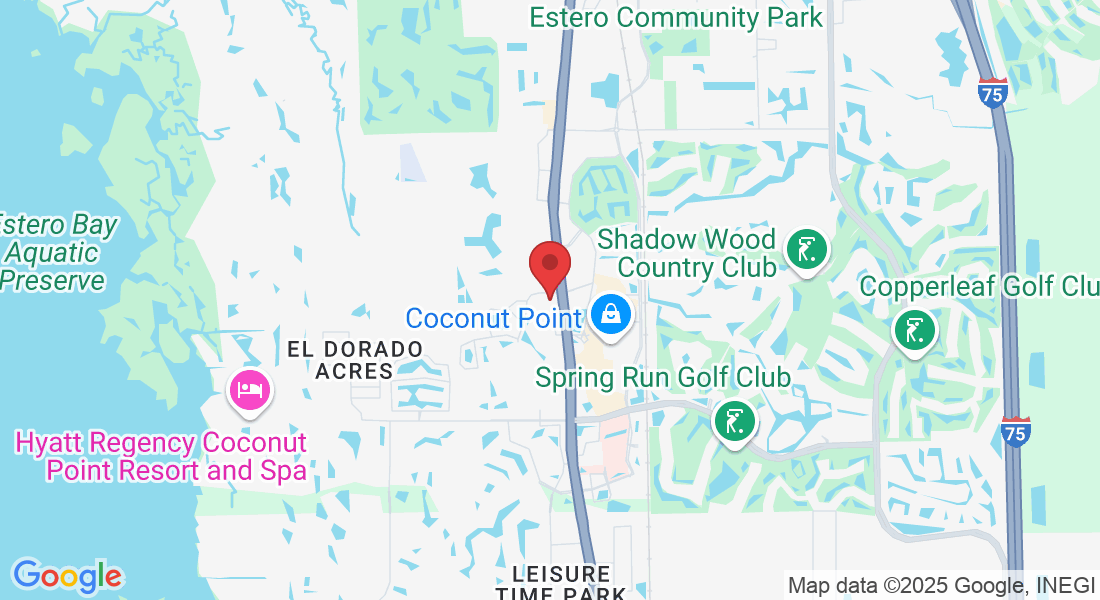
Choosing the right memory care community for a loved one is a deeply personal decision. At Gulf Coast Memory Care, conveniently located next to Coconut Point Shopping Center in Estero, Florida, we've created a haven of tranquility where residents can experience a luxurious and comfortable lifestyle. Let us help you make this important decision with confidence.
"Choose us with peace of mind; if within 90 days your heart pulls you elsewhere, we'll ensure a smooth transition and give your community fee back to help secure another place."
Your family's freedom to thrive is our top priority.

Award Winning Leadership

Understanding The Benefits Of Memory Care
Hear From Jen
We believe that exceptional care begins with open, honest, and ongoing communication. Families have direct access to our leadership and caregivers, including personal cell numbers, because staying informed should never be a struggle.
Every resident also receives a personalized care plan tailored to their needs, so families always stay connected.
Is It The Right Time For Memory Care?
Understanding that memory care is not a one-size-fits-all solution, we prioritize personalized care plans that adapt to each individual’s progression.
Learn more about senior care and get personalized results in this quick 5 minute survey.
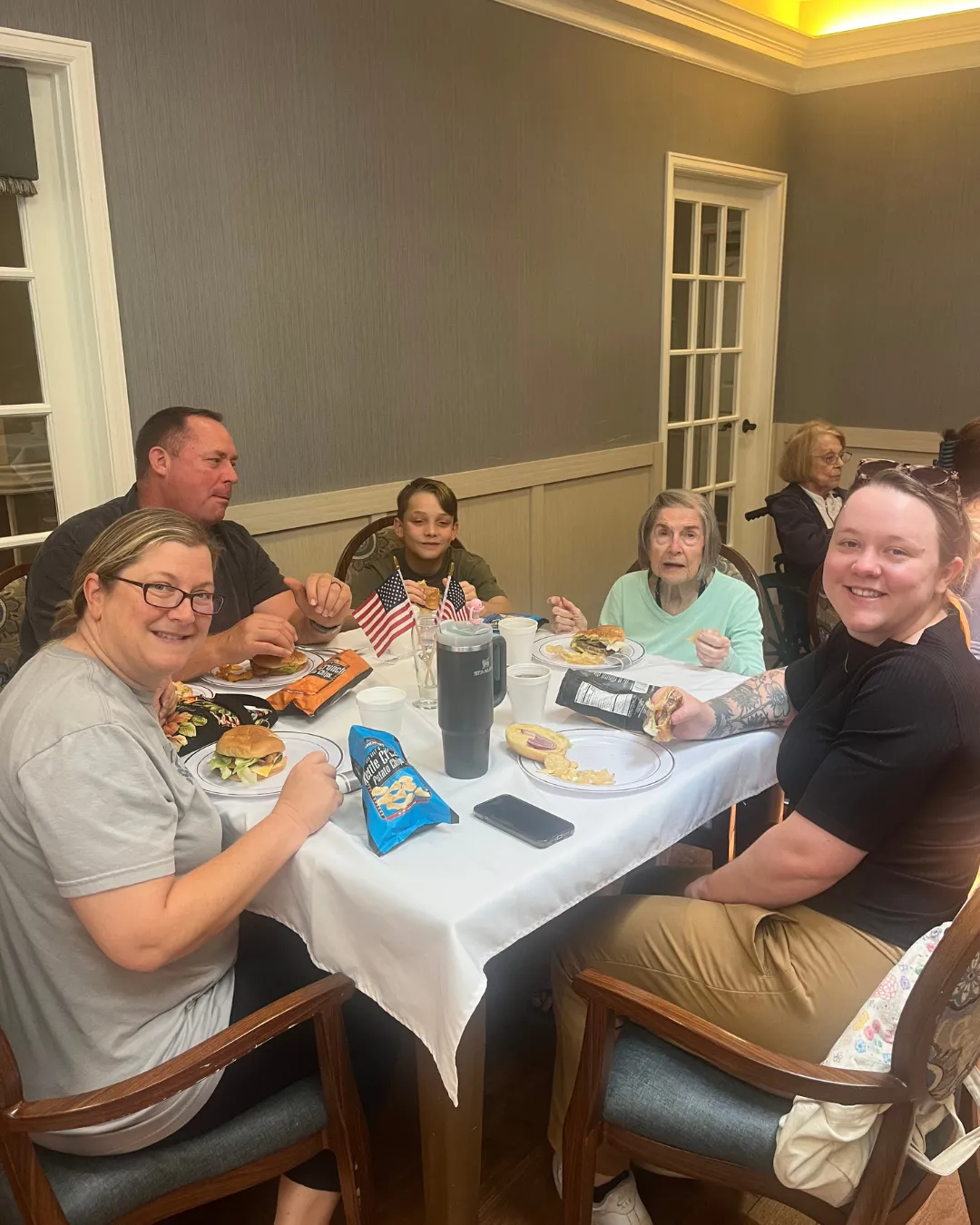
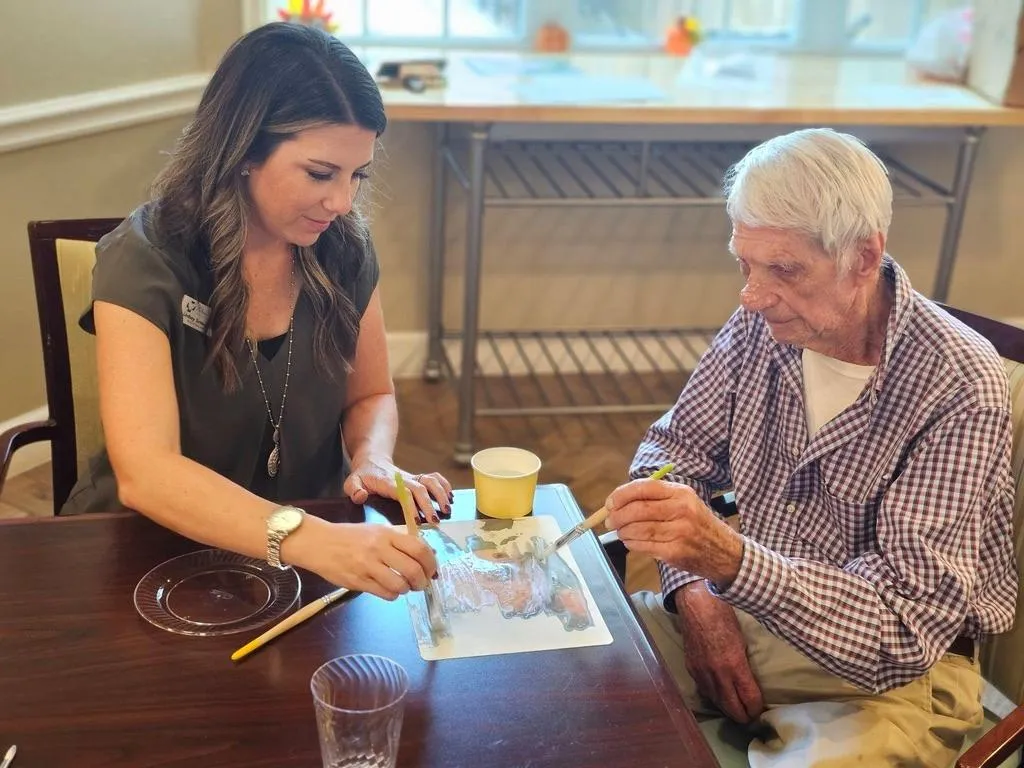
A Community For Alzheimer’s & Dementia Care
Families seeking Alzheimer’s and dementia support in Estero, Florida, can rely on our compassionate team for a community that truly cares.
Through ongoing training in the latest memory care practices and a commitment to safety, Gulf Coast Memory Care offers peace of mind for families and the highest standard of care for residents.
Love From Our Families


My mom moved into her new home a few weeks ago. I was able to visit with her this week while being in Florida and my gosh, I know she is right where she needs to be. Huge shoutout to Jerry, Diana, Paula, Kathy and Apryl. You are real life angels. The energy you bring is above and beyond. To see how you interact with not only my mom, but all the residents, it truly warms my heart. While it is heartbreaking to see my mom battle Alzheimer's, I know she is in the perfect place. She is safe and receiving the care she needs. <3 The place is clean, accommodating and most importantly feels like home. I love that there is a schedule and many activities for the residents to participate in. My mom has loved the painting and coloring
- Bill & Bonny B

Shelly Richardson
Upon entering this beautiful community, I was deeply impressed by the exceptional level of care and compassion demonstrated by all the caregivers. Every member of the team, from maintenance staff to the executive director, significantly contributes to the residents' quality of life. The interior courtyards offer a safe and beautiful outdoor escape for the residents, while the dining area is both elegant and spacious. GCMC stands out as one of the premier memory care centers I have ever visited.
- Bill & Bonny B

Exceptional dedication. Genuine care 24/7, everyone is doing a great job, from Management to the care team. Jerry and Diana are conducting the business, but you can see them walking the hallway and chatting with the residents, literally knowing everyone. There is an engine who works behind the scenes to have the day and night activity running smoothly. Family feeling, warmth, and genuine care, overall, 5 stars. Residents are never alone, there is always a pair of eyes to watch and hands ready to help as needed, but all is done in a certain way, so our loved ones don’t feel any loss of their independence. Beautifully done. The activities are not just lines on paper, everyone is involved. Food is first class.
- Bill & Bonny B
Our Senior Care Amenities
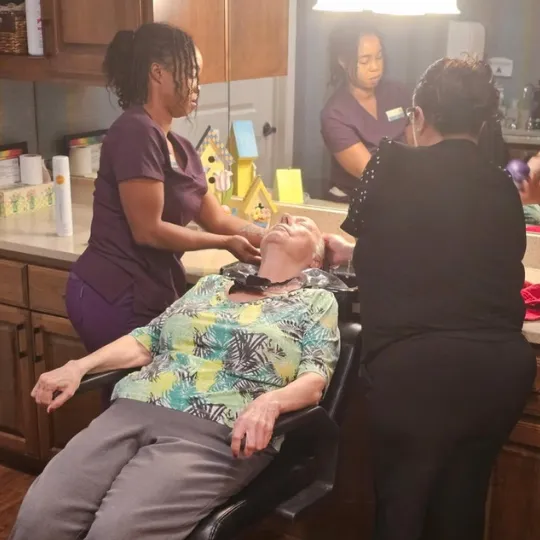
One-site beauty salon and barbershop
Personalized, chef-prepared meals
Customized activity programs
Craft and hobby room
Family living room
Full Library
Abundant natural light to minimize sundowning
Located next to Coconut Point Shopping Center
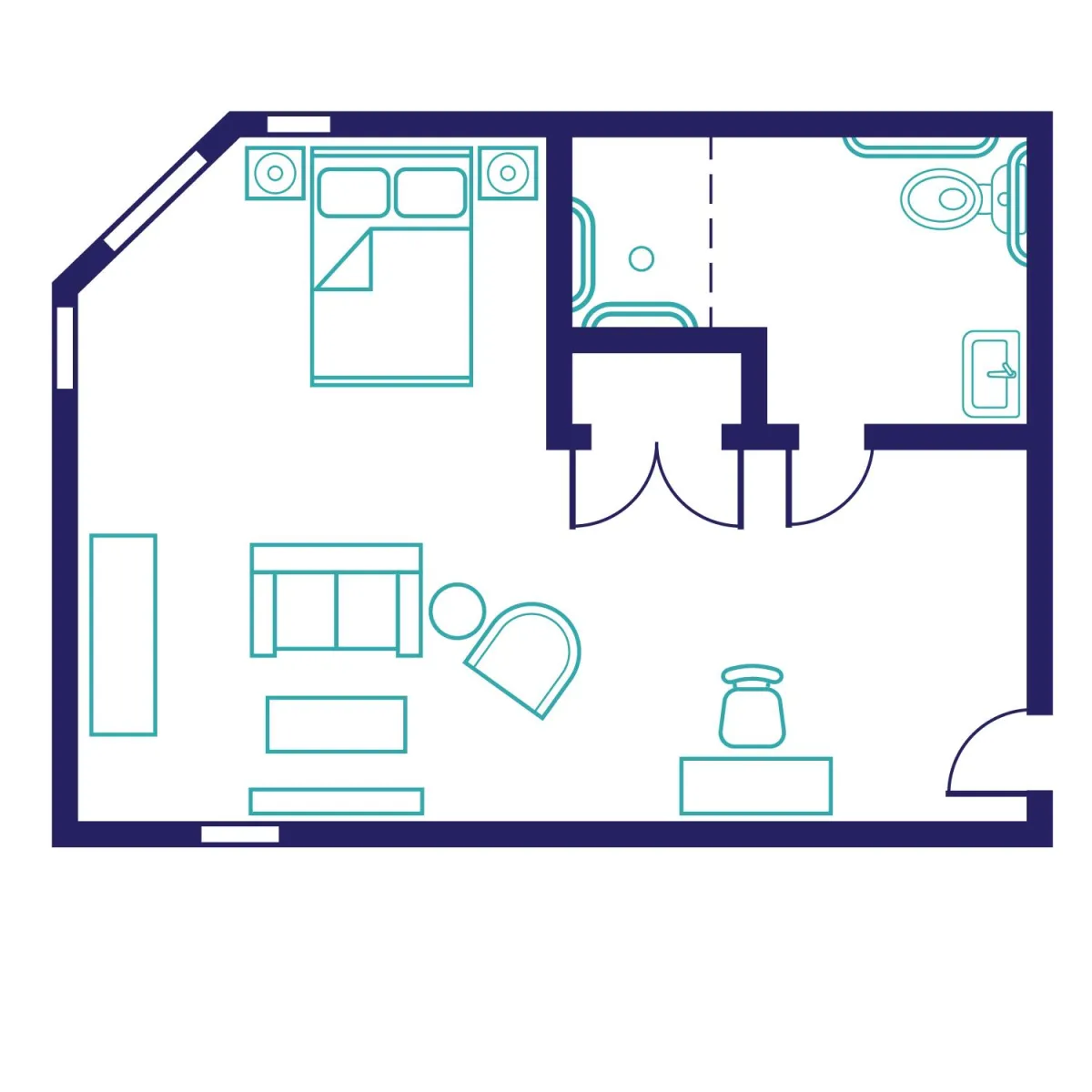
The Edison Suite
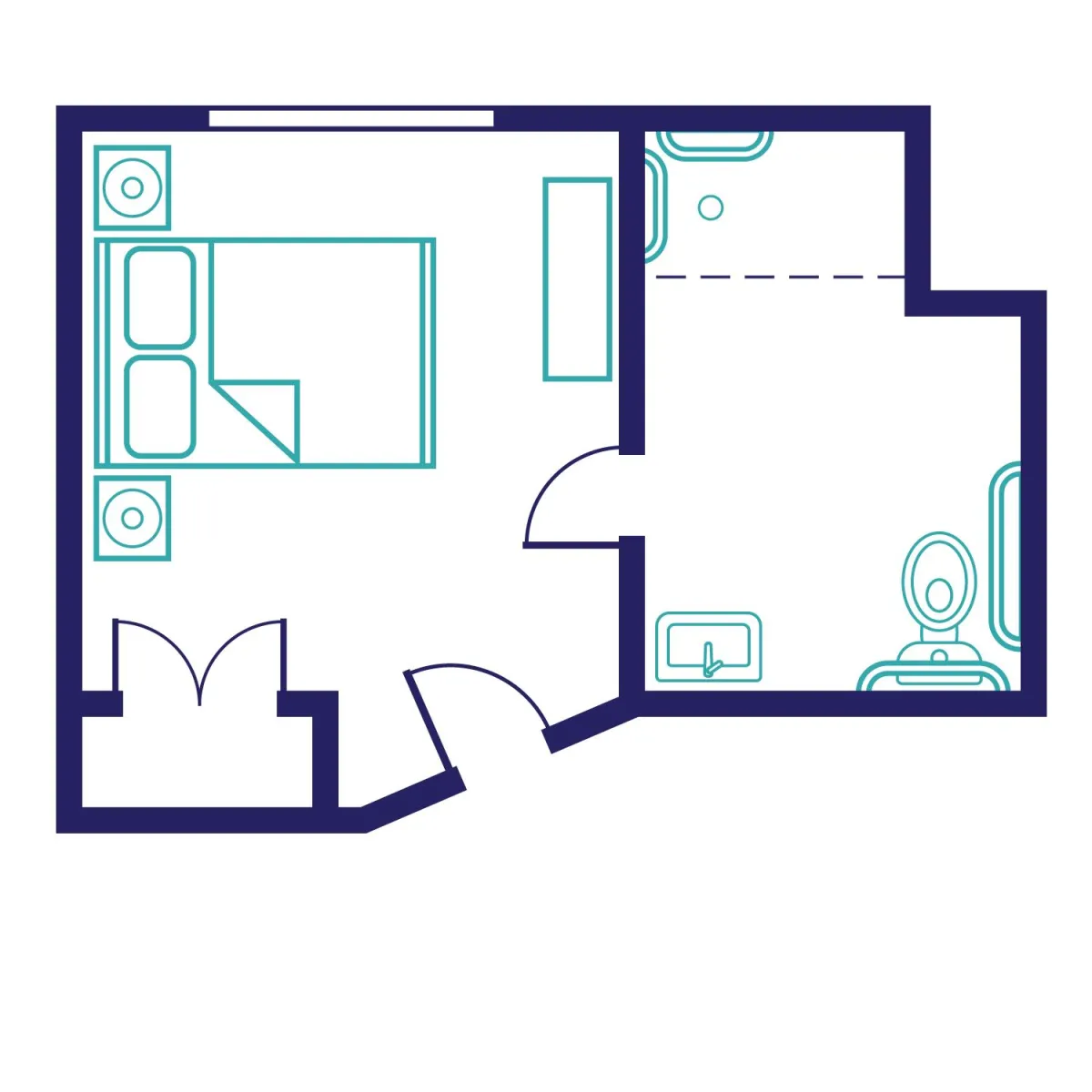
The Magnolia Suite
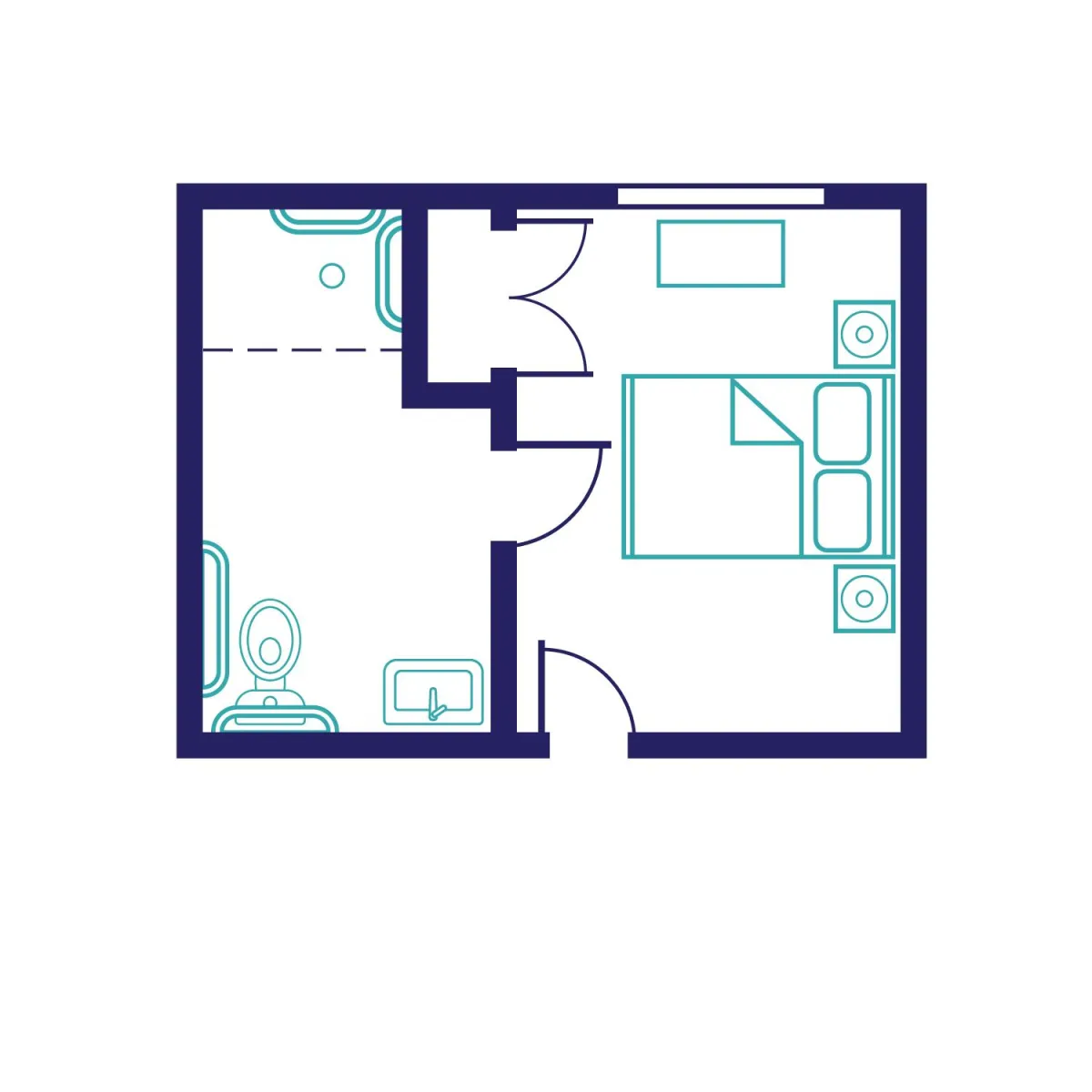
The Sugarberry Suite
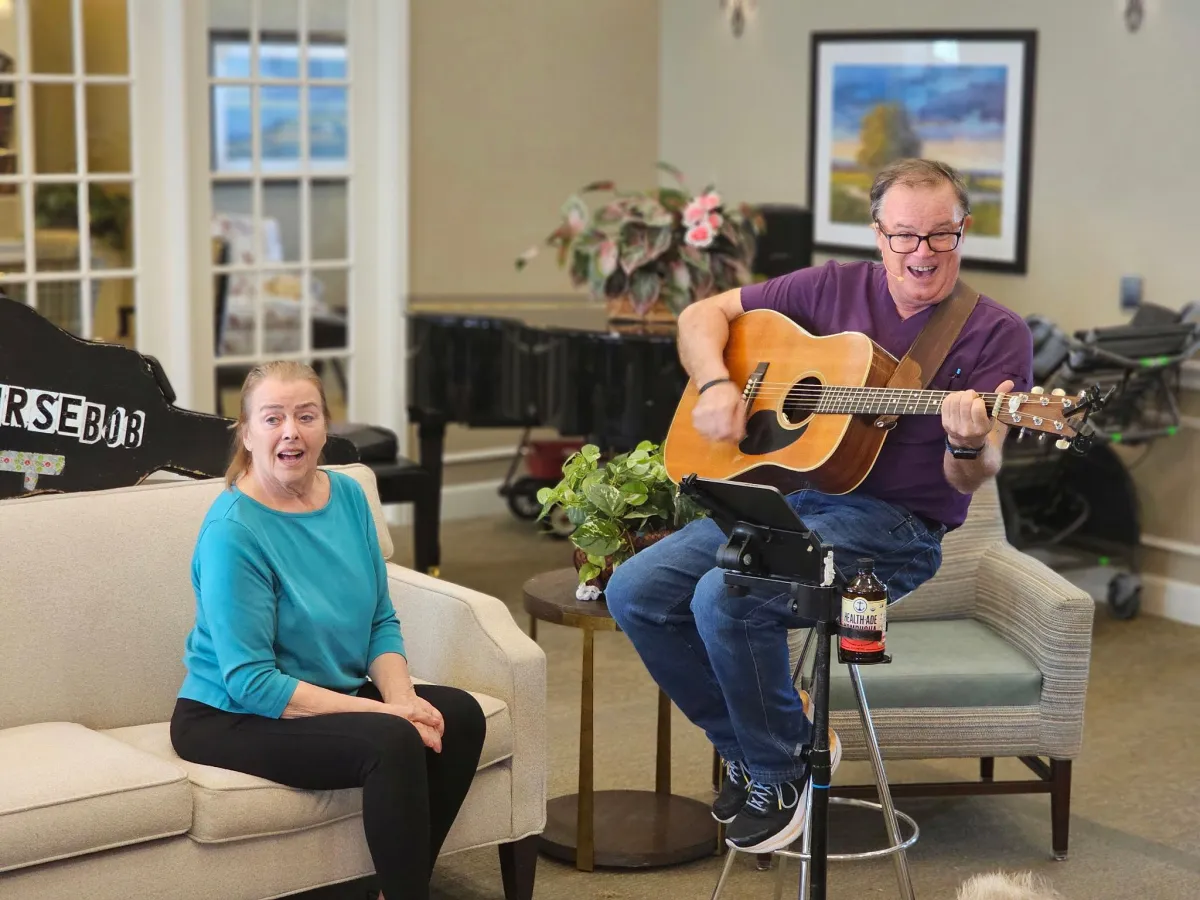
Engaging Residents With Meaningful Social Connections
We also prioritize activities that nurture both physical and mental wellness, from gentle exercise routines to social events that create a sense of community among residents. These carefully crafted programs are designed to boost mood, reduce anxiety, and encourage meaningful interactions, all of which contribute to a fulfilling lifestyle for those facing memory challenges.
Our Commitment To You
Our commitment extends to providing families with guidance and resources to understand memory loss and navigate the journey with confidence. Whether it’s through educational workshops or one-on-one consultations, we’re here to support families every step of the way, ensuring they feel connected and informed about their loved one’s care journey.
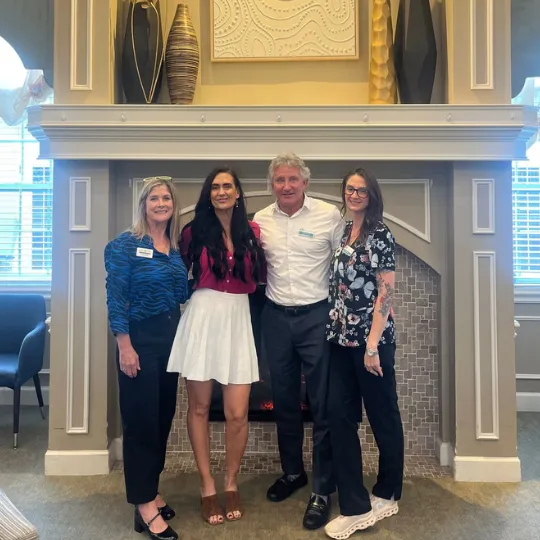
Are You Ready To Get Settled In?
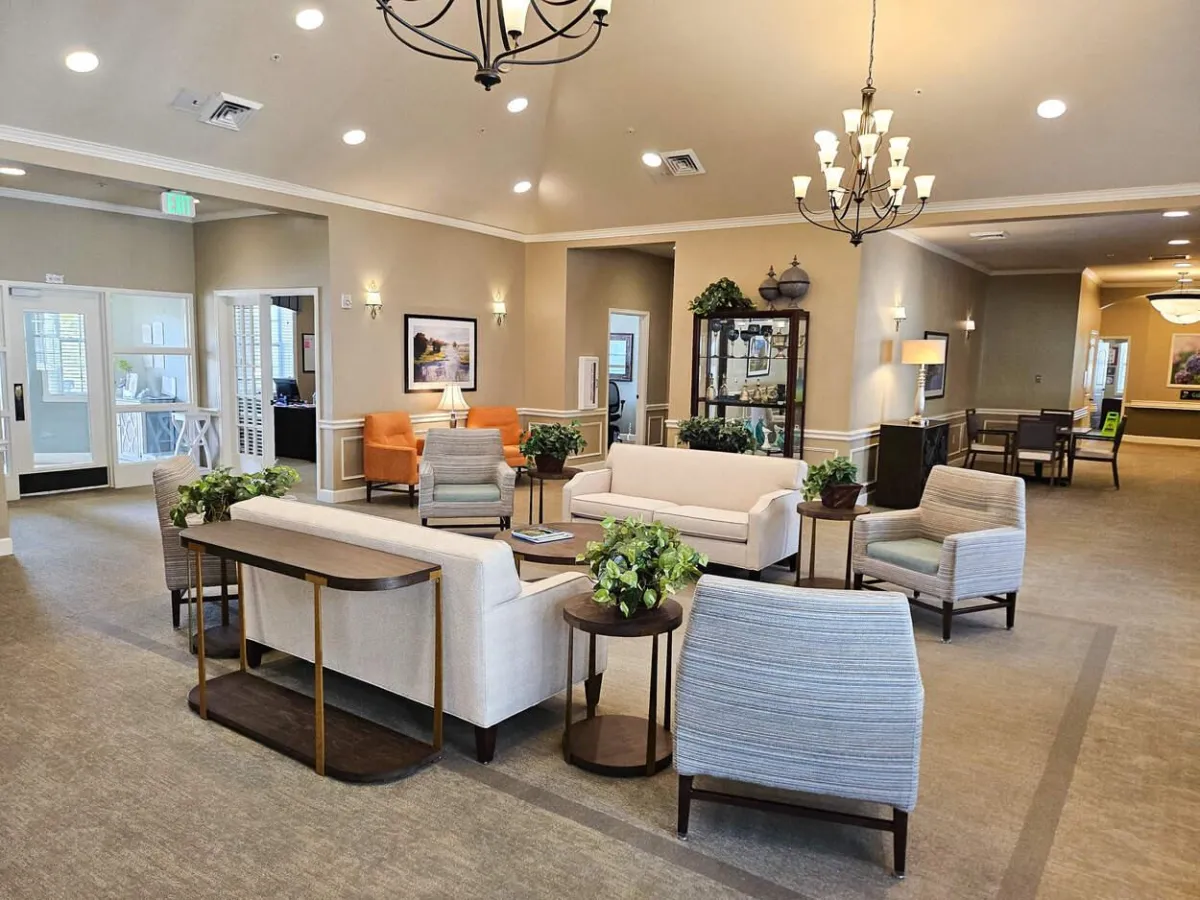
Embark on a transformative experience at Gulf Coast Memory Care in Estero, Florida. We're not just a memory care community; we're a sanctuary where the mind, body, and spirit are nurtured. If you're seeking a place where compassion, care, and a deep respect for the human soul are paramount, you've found the right haven.
Check Out Our Blog
Your Guide to Care Homes for Dementia Sufferers
Caring for a loved one with dementia is a role you take on with love, but it can become physically and emotionally exhausting. You might feel like you’re on duty 24/7, and the worry for their safety never truly fades. It’s common to feel that seeking professional help is like giving up, but it’s actually the opposite. It’s about gaining a dedicated team. Choosing the right community allows you to step back from being a full-time caregiver and return to being a spouse, a daughter, or a son again. Specialized care homes for dementia sufferers are designed to handle the complexities of daily care, giving you the peace of mind to focus on connection and quality time.
Key Takeaways
Focus on a Purpose-Built Environment and Expert Staff: The most critical factors in quality dementia care are a physical space designed to be calming and secure, and a team specifically trained in dementia behaviors and communication.
Use a Checklist to Make a Confident Choice: When touring, evaluate communities on their personalized care plans, daily activities that stimulate joy, and specific safety features. How the staff interacts with residents will tell you more than any brochure.
The Right Time is About Safety, Not Failure: The decision to move is often driven by safety risks at home and caregiver burnout. Choosing professional care is a proactive step that ensures your loved one's well-being and allows you to be a family member again, not just a caregiver.
What Makes a Dementia Care Home Different?
When you start exploring long-term care, you’ll quickly find that not all communities are created equal—especially when a loved one is living with dementia. While many senior living facilities offer some level of support, a true dementia care home is built from the ground up with one purpose in mind: to provide a safe, dignified, and engaging life for residents with memory loss. It’s more than just a secured wing in a larger building; it’s a comprehensive approach where the people, the places, and the daily programs are all designed to support cognitive health. Understanding this distinction is the first step toward finding a community that can truly meet your family’s needs and bring you peace of mind.
The key differences betweenmemory careand general senior living
General assisted living is designed for seniors who need help with daily activities but are otherwise independent. A specializedmemory carecommunity, on the other hand, is created entirely for individuals with Alzheimer’s and other forms of dementia. The entire environment—from the floor plans to the daily routines—is structured to reduce confusion and anxiety.
Many families worry that memory care feels cold or clinical, but modern communities are designed to be warm and supportive. The daily schedule is predictable, which helps residents feel secure, and activities are tailored to stimulate cognition and provide moments of joy. In contrast, an assisted living facility may not have the same level of security or staff expertise to safely manage behaviors like wandering or sundowning.
Why a purpose-built environment and trained staff are essential
The two most critical elements of effective dementia care are the environment and the people. A purpose-built community is designed with intention. Features like secure courtyards, clear walking paths, and calming interior design help minimize agitation and support independence safely. Every detail inour communityis there to help residents feel comfortable and oriented.
Just as important is a staff that’s specifically trained in dementia care. Caregivers in a specialized community understand how to communicate effectively, redirect challenging behaviors with compassion, and anticipate needs. This expertise goes far beyond general senior care. Through ongoing training in the latest memory care practices, the right team can provide compassionate support that reduces behavioral triggers and gives families confidence that their loved one is safe and understood.
What Are the Main Types of Dementia Care?
When you start looking for dementia care, you’ll quickly find that not all communities are the same. The level of support, the design of the environment, and the staff’s training can vary significantly. Understanding these differences is the first step to finding a place where your loved one will feel safe, understood, and engaged. Here are the main types of care you’ll encounter, so you can make a confident and informed choice for your family.
Specialized memory care communities
These communities are designed from the ground up for one purpose: to provide awarm and enriching environmentfor people with Alzheimer's or other forms of dementia. Every detail—from the floor plans and lighting to the daily activities and staff training—is tailored to meet the unique needs of individuals with cognitive changes. Because they are 100% focused on memory care, the entire team has deep expertise in dementia behaviors, communication techniques, and safety protocols. This creates a consistent, predictable, and supportive atmosphere that helps reduce anxiety and confusion for residents.
Assisted living facilities with memory support
Assisted living facilities oftenserve as a stepbetween living independently and needing the 24-hour medical supervision of a nursing home. While many offer excellent care for general senior living, their approach to dementia support can differ. Some have a dedicated memory care "wing" or "unit," but it's an extension of a larger, more generalized community. It’s important to ask about specific staff training and whether the environment outside of that dedicated unit is designed to be safe and easy for someone with memory loss to manage.
Nursing homes with dedicated dementia units
Nursing homes provide 24-hour skilled nursing care for individuals with complex, long-term medical needs. They are a crucial option for those who require significant health monitoring and treatment. Many nursing homes have dedicated dementia units with enhanced safety features and some specialized programming. However, the overall focus of a nursing home is primarily medical. The environment may feel more clinical and may not offer the same level of life-enrichment programs or the calm, home-like setting found in a community built exclusively for memory care.
Residential care and adult family homes
For those seeking a more intimate, home-like setting, residential care homes can be a good option. These are typically private homes in residential neighborhoods that have been converted to care for a small number of residents, often between five and ten people. This smaller scale allows for a high caregiver-to-resident ratio and a close-knit, family atmosphere. While the care can be very personal, it’s important to verify that the staff has specific training and experience in dementia care and that the home is equipped with the necessary safety and security features.
Your Checklist: What to Look for in a Dementia Care Home
When you start looking at dementia care homes, the options can feel overwhelming. How do you know which community will truly understand and support your loved one? This checklist breaks down the five most important areas to focus on. Use it as your guide during tours and conversations to find a place that not only keeps your family member safe but also helps them live with dignity and joy.
Dementia-specific staff training and expertise
The heart of any memory care community is its people. When you ask, “Is the staff trained to care for people with dementia?” the answer should be a confident “yes.” This isn't just about general caregiving; it's about specialized training in dementia behaviors, communication strategies, and de-escalation techniques. A well-trained team knows how to connect with residents, anticipate their needs, and respond with patience and compassion. This expertise is what transforms a residence into a true home, ensuring your loved one receives understanding and respectfulmemory care.
A secure, calming, and engaging environment
The physical environment is a powerful tool in dementia care. The best communities are designed to be warm and welcoming, creating a positive, person-centered place of care. Look for thoughtful details like secure courtyards for safe outdoor access, clear sightlines to reduce confusion, and calming color palettes. The layout should feel open yet secure, with quiet spaces for relaxation and social areas for connection. A purpose-built environment minimizes anxiety and encourages independence, allowing residents to feel more comfortable and at ease inour community.
Personalized care plans for individual needs
Dementia is a personal journey, and the care provided should be just as personal. A one-size-fits-all approach simply doesn’t work. A quality care home will create a detailed plan of care to meet the specific needs of each resident. This process starts with learning about your loved one’s life story, preferences, and daily routines. The resulting plan guides everything from mealtime support to daily activities and is regularly updated as their needs evolve. This commitment to individualized attention ensures your family member is seen and cared for as the unique person they are.
Daily programs that stimulate memory and joy
A fulfilling life doesn’t stop with a dementia diagnosis. Look for a community that offers a rich calendar of daily activities designed to engage the mind, body, and spirit. These programs should go beyond bingo. Think music therapy, sensory gardening, art classes, and gentle fitness sessions that keep residents active and connected. The goal is to provide structure and purpose while tapping into long-term memories and creating moments of joy. Meaningful engagement can help maintain cognitive function, reduce agitation, and give your loved one a reason to smile every day.
Safety features to prevent wandering
For many families, the fear of a loved one wandering is a primary concern. A dedicated memory care community should address this with both compassion and technology. Through ongoing training in the latest memory care practices and a commitment to safety, the staff can offer peace of mind. Look for features like secured exits and enclosed outdoor spaces that allow for freedom of movement within a safe perimeter. More importantly, observe how the staff interacts with residents. A proactive approach to engagement and redirection is often the most effective tool for preventing wandering and ensuring residents are safe and content. Seeing these features firsthand can be reassuring, which is why we invite you toschedule a tour.
Understanding the Cost of Dementia Care
Navigating the financial side of memory care can feel overwhelming, but understanding how it works is the first step toward making a confident decision for your family. The cost of care is a direct reflection of the specialized support, security, and round-the-clock expertise your loved one receives. Unlike general senior living, memory care pricing accounts for a purpose-built environment, highly trained staff, and programming designed specifically for cognitive health.
When you explore your options, you’ll find that costs can vary based on several factors. It’s helpful to think about the total value—not just the price tag. You’re investing in safety, professional support, and peace of mind, knowing your loved one is in a place that truly understands their needs. Below, we’ll break down how communities structure their pricing, compare the costs to other types of care, and outline the most common ways families pay for it.
How memory care communities structure their pricing
Most memory care communities operate on an all-inclusive monthly fee. This single payment typically covers housing, all meals and snacks, utilities, personalized care plans, medication management, and access to all community programs and activities. This straightforward structure helps families budget without worrying about unexpected bills for different services.
The final monthly cost depends on a few key factors. The primary one is the level of care your loved one needs, which is determined by an initial assessment. Other variables include the size and style of their living space, such as private rooms or largerSignature Suites, and the specific amenities offered by the community. A transparent community will provide a clear breakdown of all costs so you know exactly what is included.
Comparing costs: memory care vs. other options
When evaluating the cost of a specialized community, it’s important to compare it to the alternatives. At-home care, for instance, can seem less expensive initially, but the costs add up quickly. Hiring skilled caregivers for 24/7 supervision can often exceed the monthly fee of a memory care community.
Similarly, a general assisted living facility may have a lower base price, but it might not include the necessary dementia-specific security features or staff training. Families often find themselves paying extra for add-on services that are already built into a dedicated memory care model. Understanding the full scope oflong-term care optionshelps you see how an all-inclusive, specialized environment provides more comprehensive and predictable value for your investment.
Exploring payment options and financial assistance
Most families pay for memory care privately, using sources like savings, pensions, or proceeds from selling a home. It’s a common misconception that health insurance covers this type of care. Medicare does not pay for long-term residential care; it only covers short-term skilled nursing stays after a qualifying hospitalization.
However, other resources can help. If your loved one has a long-term care insurance policy, review it carefully to understand the benefits. CertainVeterans benefits, like the Aid and Attendance program, can also provide significant financial assistance to eligible vets and their spouses. For those with limited resources, Medicaid may be an option, but it’s wise to consult an elder law attorney to plan accordingly, as eligibility rules are complex.
Key Services to Expect in a Quality Care Home
When you’re searching for the right community, it’s easy to get lost in the details of amenities and floor plans. While those things matter, the core services are what truly define the quality of care your loved one will receive. A premiermemory carehome goes beyond the basics to provide a comprehensive support system that addresses medical needs, ensures safety, and keeps families connected. These services are the foundation of a community that not only cares for residents but also provides deep and lasting peace of mind for their families.
Think of these as the non-negotiables. They are the pillars that support your loved one’s well-being day in and day out. From round-the-clock supervision by a team trained in dementia behaviors to meticulous medication management, every service should be designed to reduce anxiety and promote a sense of calm and security. This level of specialized support is what distinguishes truememory carefrom other types of senior living. It’s a commitment to understanding and meeting the unique needs that come with memory loss, ensuring your loved one is safe, healthy, and respected.
24/7 supervision and behavioral support
For families, one of the biggest sources of worry is safety. A quality care home addresses this with 24/7 on-site supervision from staff who are specially trained in dementia care. This isn't just about being present; it's about understanding the nuances of memory loss, including behaviors like wandering, agitation, or confusion. A well-trained team knows how to respond with patience and compassion, redirecting residents gently and de-escalating stressful situations. This constant, knowledgeable presence ensures that help is always there, creating asafe and supportive environmentwhere residents can live with dignity and families can feel at ease.
Medication management and health care coordination
Managing multiple prescriptions can be challenging under any circumstances, but for someone with dementia, it can become overwhelming and unsafe. A key service of any quality memory care community is professional medication management. A dedicated team ensures that your loved one receives the correct medications at the right times, every single day. They also handle refills and coordinate directly with doctors and pharmacies to manage any changes. This service extends to broader health care coordination, including scheduling appointments and communicating with medical professionals to ensure a holistic approach to your loved one’s health. This removes a significant burden from families and ensures seamless care.
Consistent family communication and support
Moving a loved one into a care community doesn’t mean you’re taking a step back. In fact, it should be the beginning of a new partnership. Quality care homes prioritize open and consistent communication, providing regular updates on your loved one’s well-being, activities, and any changes in their care plan. You should feel like a valued member of the care team, with opportunities to share insights and ask questions. This transparent approach builds trust and helps you stay connected. When youstart a conversationwith a potential community, you should feel heard, respected, and confident that you’ll remain an integral part of your loved one’s life.
How to Compare Your Dementia Care Options
Choosing the right community is a significant decision, and it’s about more than just looking at floor plans. It’s about finding a place that feels right—a place where your loved one will be safe, understood, and truly cared for. The best way to get a real sense of a community is to visit in person. A tour allows you to see the environment, meet the team, and ask the questions that matter most to your family.
The essential questions to ask on your tour
When you visit, you’re not just a guest; you’re an investigator for your loved one. Come prepared with a list of questions to guide your conversation. This helps you compare communities fairly and ensures you don’t forget anything important.
Here are some essential questions to ask:
Is your staff specifically trained in dementia care, including how to handle behaviors like anxiety or sundowning?
How do you create personalized care plans, and how often are they updated?
What does a typical day look like for residents? Are activities offered in the evenings and on weekends?
How is medical care handled, and what is your procedure for emergencies?
How do you keep families informed and involved in their loved one’s care?
What to observe during your visit
While you’re there, pay close attention to the details that a brochure can’t show you. Trust your instincts and observe the daily rhythm of the community. Notice how the staff interacts with residents—do they seem patient, warm, and respectful? Look at the residents themselves. Do they appear calm and engaged? The environment should feel secure and peaceful, not chaotic or clinical. Try toschedule a tourduring an activity or mealtime to see how the community functions during more active periods. A truly great community feels like a home, filled with people who care like family.
How to check credentials and read family reviews
After your visit, do a little homework to confirm your impressions. Every licensed care community has public inspection reports. Don’t be afraid to ask the director for a copy of their latest one. You can also find valuable information from objective sources, like theAlzheimer's Association's resourceson long-term care. Finally, read online reviews and testimonials from other families. Hearing about their experiences can provide incredible peace of mind and help you feel confident that you’re making the right choice for the person you love.
When Is It Time for Professional Dementia Care?
Deciding when to transition a loved one to a care community is one of the most difficult and emotional choices a family can make. There’s no perfect formula, but the decision often comes down to two critical factors: the safety of your loved one and the well-being of the person providing their care. It’s not about giving up; it’s about ensuring they receive the specialized support they need in an environment built for their success.
Thinking about professionalmemory caremeans you’re putting your loved one’s needs first. As dementia progresses, care requirements can exceed what’s possible at home, no matter how much love and effort you put in. The right time is often when the balance shifts—when keeping them at home creates more risks than benefits for everyone involved. The following signs can help you recognize when that moment has arrived.
Recognizing safety risks and care limitations at home
As dementia advances, a person’s home can become a place of hidden dangers. What was once a familiar comfort can present risks of falls, wandering, or other accidents. As the Alzheimer's Association notes, a person in the middle-to-late stages will eventually need24-hour supervisionto stay safe.
Ask yourself these direct questions:
Is my loved one unsafe at home, even with my help?
Are their care needs becoming too complex or physically demanding for me to handle alone?
Is their health, or my own, being put at risk by our current situation?
If you answer yes to any of these, it’s a strong indicator that their needs have outgrown what can be provided at home.
Identifying the signs of caregiver burnout
Your well-being is not a secondary concern—it is essential. Caring for someone with dementia is physically and emotionally demanding, and it’s common for caregivers to neglect their own health. Burnout is real, and it can impact your ability to provide the patient and compassionate care your loved one deserves. It’s normal to feel a sense of guilt, but the primary goal is to ensure your loved one gets the best care possible.
Ask yourself honestly:
Am I constantly feeling exhausted, stressed, or irritable?
Am I neglecting other important relationships, my job, or my own health?
Have I lost the energy to engage in activities I once enjoyed?
Recognizing these signs isn’t a failure. It’s an acknowledgment that you need a support system. Transitioning to a professional community allows you to be a daughter, son, or spouse again, focusing on connection while trained experts handle the complexities of daily care.
Making the Transition to a Care Community
Moving a loved one into a memory care community is a significant step, filled with complex emotions. It’s a decision rooted in love, safety, and the desire for the best possible quality of life. Preparing for the conversation and the move can create a smoother, more positive experience. The goal is to begin a new chapter where your loved one is supported and safe, and your family finds peace of mind.
Addressing common concerns about moving
One of the biggest worries families have is that a care home will feel cold, clinical, and impersonal. It’s a valid fear, but modern memory care communities are designed to be the exact opposite: warm, supportive, and full of life. At Gulf Coast, our entire building was created to feel like a true home. We believe the rightenvironmentis a form of therapy, with secure courtyards, calming colors, and clear sightlines that reduce anxiety and confusion. This isn't just a place to live; it's a community built to support cognitive health, encourage connection, and provide comfort.
How to talk to your loved one about the change
Starting the conversation about moving can feel daunting. The key is to approach it with honesty, patience, and compassion. Find a quiet, comfortable time to talk, free from distractions. Frame the move around its benefits—more safety, new friends, and activities designed just for them. Use clear, simple sentences and speak slowly, allowing them time to process and respond. It’s important to listen to their fears and validate their feelings. These communication strategies can help you express care and reassurance, even when the words are difficult. Remember, this may be a series of small conversations rather than one big discussion.
Staying involved and connected after the move
Your role in your loved one’s life doesn’t end when they move in—it simply changes. You are shifting from being a primary caregiver to being a daughter, son, or spouse again. This allows you to focus on connection and quality time. Plan regular visits, join them for meals, or participate in community activities. Even small gestures like maintaining eye contact and using a gentle touch can communicate love and reassurance. You can also stay connected through phone calls, video chats, and regular updates with the care team. Your presence is a vital part of their well-being and a comforting constant during their transition.
Related Articles
Memory Care vs Assisted Living: What's Right for Your Loved One?
The Ultimate Dementia Caregiver Checklist – What You Need to Know
How Memory Care Helps Seniors with Dementia Maintain Their Independence
Frequently Asked Questions
What is the real difference between a dedicated memory care home and an assisted living facility with a memory wing?Think of it this way: a dedicated memory care community is built from the ground up with one purpose in mind—to support someone living with dementia. Every single detail, from the secure layout and calming paint colors to the staff’s specialized training, is designed to reduce confusion and promote safety. In contrast, an assisted living facility is designed for more independent seniors, and a memory care wing is often an addition to that larger, more generalized environment. A 100% focused community provides a more consistent and expert level of care because everyone and everything is centered on the unique needs of memory loss.
How will I know when it’s the right time for professional care?This is the question every family grapples with, and the answer often comes down to safety and well-being—both for your loved one and for you. If you find yourself constantly worried about them wandering, falling, or managing their medications, it’s a clear sign their needs may have outgrown what you can safely provide at home. It's also time to consider a move when your own health and emotional reserves are running low. Shifting to a professional community isn’t about giving up; it’s about giving your loved one the expert support they need while allowing you to be their family member again, not just their caregiver.
What does a typical day look like for a resident in a memory care community?A well-designed day in memory care is structured, predictable, and engaging, which helps reduce anxiety for residents. The schedule typically includes a gentle morning routine, followed by activities that stimulate the mind and body, like music therapy, light exercise, or art projects. Mealtimes are social and unhurried. Afternoons might involve sensory activities in a secure garden or quiet time for relaxation. The goal is to create a rhythm that feels familiar and comforting while providing frequent opportunities for connection, purpose, and moments of joy.
My loved one is resistant to the idea of moving. How should I approach this conversation?This is a very common and understandable concern. The key is to approach the conversation with patience and compassion, framing the move as a way to add support, not take away independence. Focus on the benefits, such as having help available 24/7, enjoying chef-prepared meals, and making new friends. It often works best as a series of small, gentle conversations rather than one big announcement. Reassure them that this decision comes from a place of love and a desire to ensure they are safe and well-cared for.
How do most families pay for dementia care?This is a practical and important question. The vast majority of families pay for memory care using private funds, which can come from savings, pensions, or the sale of a home. It's a common misconception that Medicare covers long-term residential care, but it does not. Some families have long-term care insurance policies that can help cover the cost, and it’s worth looking into Veterans benefits like the Aid and Attendance program if your loved one served in the military. A transparent community will be happy to discuss costs and help you understand all the financial aspects.

Your Guide to Care Homes for Dementia Sufferers
Caring for a loved one with dementia is a role you take on with love, but it can become physically and emotionally exhausting. You might feel like you’re on duty 24/7, and the worry for their safety never truly fades. It’s common to feel that seeking professional help is like giving up, but it’s actually the opposite. It’s about gaining a dedicated team. Choosing the right community allows you to step back from being a full-time caregiver and return to being a spouse, a daughter, or a son again. Specialized care homes for dementia sufferers are designed to handle the complexities of daily care, giving you the peace of mind to focus on connection and quality time.
Key Takeaways
Focus on a Purpose-Built Environment and Expert Staff: The most critical factors in quality dementia care are a physical space designed to be calming and secure, and a team specifically trained in dementia behaviors and communication.
Use a Checklist to Make a Confident Choice: When touring, evaluate communities on their personalized care plans, daily activities that stimulate joy, and specific safety features. How the staff interacts with residents will tell you more than any brochure.
The Right Time is About Safety, Not Failure: The decision to move is often driven by safety risks at home and caregiver burnout. Choosing professional care is a proactive step that ensures your loved one's well-being and allows you to be a family member again, not just a caregiver.
What Makes a Dementia Care Home Different?
When you start exploring long-term care, you’ll quickly find that not all communities are created equal—especially when a loved one is living with dementia. While many senior living facilities offer some level of support, a true dementia care home is built from the ground up with one purpose in mind: to provide a safe, dignified, and engaging life for residents with memory loss. It’s more than just a secured wing in a larger building; it’s a comprehensive approach where the people, the places, and the daily programs are all designed to support cognitive health. Understanding this distinction is the first step toward finding a community that can truly meet your family’s needs and bring you peace of mind.
The key differences betweenmemory careand general senior living
General assisted living is designed for seniors who need help with daily activities but are otherwise independent. A specializedmemory carecommunity, on the other hand, is created entirely for individuals with Alzheimer’s and other forms of dementia. The entire environment—from the floor plans to the daily routines—is structured to reduce confusion and anxiety.
Many families worry that memory care feels cold or clinical, but modern communities are designed to be warm and supportive. The daily schedule is predictable, which helps residents feel secure, and activities are tailored to stimulate cognition and provide moments of joy. In contrast, an assisted living facility may not have the same level of security or staff expertise to safely manage behaviors like wandering or sundowning.
Why a purpose-built environment and trained staff are essential
The two most critical elements of effective dementia care are the environment and the people. A purpose-built community is designed with intention. Features like secure courtyards, clear walking paths, and calming interior design help minimize agitation and support independence safely. Every detail inour communityis there to help residents feel comfortable and oriented.
Just as important is a staff that’s specifically trained in dementia care. Caregivers in a specialized community understand how to communicate effectively, redirect challenging behaviors with compassion, and anticipate needs. This expertise goes far beyond general senior care. Through ongoing training in the latest memory care practices, the right team can provide compassionate support that reduces behavioral triggers and gives families confidence that their loved one is safe and understood.
What Are the Main Types of Dementia Care?
When you start looking for dementia care, you’ll quickly find that not all communities are the same. The level of support, the design of the environment, and the staff’s training can vary significantly. Understanding these differences is the first step to finding a place where your loved one will feel safe, understood, and engaged. Here are the main types of care you’ll encounter, so you can make a confident and informed choice for your family.
Specialized memory care communities
These communities are designed from the ground up for one purpose: to provide awarm and enriching environmentfor people with Alzheimer's or other forms of dementia. Every detail—from the floor plans and lighting to the daily activities and staff training—is tailored to meet the unique needs of individuals with cognitive changes. Because they are 100% focused on memory care, the entire team has deep expertise in dementia behaviors, communication techniques, and safety protocols. This creates a consistent, predictable, and supportive atmosphere that helps reduce anxiety and confusion for residents.
Assisted living facilities with memory support
Assisted living facilities oftenserve as a stepbetween living independently and needing the 24-hour medical supervision of a nursing home. While many offer excellent care for general senior living, their approach to dementia support can differ. Some have a dedicated memory care "wing" or "unit," but it's an extension of a larger, more generalized community. It’s important to ask about specific staff training and whether the environment outside of that dedicated unit is designed to be safe and easy for someone with memory loss to manage.
Nursing homes with dedicated dementia units
Nursing homes provide 24-hour skilled nursing care for individuals with complex, long-term medical needs. They are a crucial option for those who require significant health monitoring and treatment. Many nursing homes have dedicated dementia units with enhanced safety features and some specialized programming. However, the overall focus of a nursing home is primarily medical. The environment may feel more clinical and may not offer the same level of life-enrichment programs or the calm, home-like setting found in a community built exclusively for memory care.
Residential care and adult family homes
For those seeking a more intimate, home-like setting, residential care homes can be a good option. These are typically private homes in residential neighborhoods that have been converted to care for a small number of residents, often between five and ten people. This smaller scale allows for a high caregiver-to-resident ratio and a close-knit, family atmosphere. While the care can be very personal, it’s important to verify that the staff has specific training and experience in dementia care and that the home is equipped with the necessary safety and security features.
Your Checklist: What to Look for in a Dementia Care Home
When you start looking at dementia care homes, the options can feel overwhelming. How do you know which community will truly understand and support your loved one? This checklist breaks down the five most important areas to focus on. Use it as your guide during tours and conversations to find a place that not only keeps your family member safe but also helps them live with dignity and joy.
Dementia-specific staff training and expertise
The heart of any memory care community is its people. When you ask, “Is the staff trained to care for people with dementia?” the answer should be a confident “yes.” This isn't just about general caregiving; it's about specialized training in dementia behaviors, communication strategies, and de-escalation techniques. A well-trained team knows how to connect with residents, anticipate their needs, and respond with patience and compassion. This expertise is what transforms a residence into a true home, ensuring your loved one receives understanding and respectfulmemory care.
A secure, calming, and engaging environment
The physical environment is a powerful tool in dementia care. The best communities are designed to be warm and welcoming, creating a positive, person-centered place of care. Look for thoughtful details like secure courtyards for safe outdoor access, clear sightlines to reduce confusion, and calming color palettes. The layout should feel open yet secure, with quiet spaces for relaxation and social areas for connection. A purpose-built environment minimizes anxiety and encourages independence, allowing residents to feel more comfortable and at ease inour community.
Personalized care plans for individual needs
Dementia is a personal journey, and the care provided should be just as personal. A one-size-fits-all approach simply doesn’t work. A quality care home will create a detailed plan of care to meet the specific needs of each resident. This process starts with learning about your loved one’s life story, preferences, and daily routines. The resulting plan guides everything from mealtime support to daily activities and is regularly updated as their needs evolve. This commitment to individualized attention ensures your family member is seen and cared for as the unique person they are.
Daily programs that stimulate memory and joy
A fulfilling life doesn’t stop with a dementia diagnosis. Look for a community that offers a rich calendar of daily activities designed to engage the mind, body, and spirit. These programs should go beyond bingo. Think music therapy, sensory gardening, art classes, and gentle fitness sessions that keep residents active and connected. The goal is to provide structure and purpose while tapping into long-term memories and creating moments of joy. Meaningful engagement can help maintain cognitive function, reduce agitation, and give your loved one a reason to smile every day.
Safety features to prevent wandering
For many families, the fear of a loved one wandering is a primary concern. A dedicated memory care community should address this with both compassion and technology. Through ongoing training in the latest memory care practices and a commitment to safety, the staff can offer peace of mind. Look for features like secured exits and enclosed outdoor spaces that allow for freedom of movement within a safe perimeter. More importantly, observe how the staff interacts with residents. A proactive approach to engagement and redirection is often the most effective tool for preventing wandering and ensuring residents are safe and content. Seeing these features firsthand can be reassuring, which is why we invite you toschedule a tour.
Understanding the Cost of Dementia Care
Navigating the financial side of memory care can feel overwhelming, but understanding how it works is the first step toward making a confident decision for your family. The cost of care is a direct reflection of the specialized support, security, and round-the-clock expertise your loved one receives. Unlike general senior living, memory care pricing accounts for a purpose-built environment, highly trained staff, and programming designed specifically for cognitive health.
When you explore your options, you’ll find that costs can vary based on several factors. It’s helpful to think about the total value—not just the price tag. You’re investing in safety, professional support, and peace of mind, knowing your loved one is in a place that truly understands their needs. Below, we’ll break down how communities structure their pricing, compare the costs to other types of care, and outline the most common ways families pay for it.
How memory care communities structure their pricing
Most memory care communities operate on an all-inclusive monthly fee. This single payment typically covers housing, all meals and snacks, utilities, personalized care plans, medication management, and access to all community programs and activities. This straightforward structure helps families budget without worrying about unexpected bills for different services.
The final monthly cost depends on a few key factors. The primary one is the level of care your loved one needs, which is determined by an initial assessment. Other variables include the size and style of their living space, such as private rooms or largerSignature Suites, and the specific amenities offered by the community. A transparent community will provide a clear breakdown of all costs so you know exactly what is included.
Comparing costs: memory care vs. other options
When evaluating the cost of a specialized community, it’s important to compare it to the alternatives. At-home care, for instance, can seem less expensive initially, but the costs add up quickly. Hiring skilled caregivers for 24/7 supervision can often exceed the monthly fee of a memory care community.
Similarly, a general assisted living facility may have a lower base price, but it might not include the necessary dementia-specific security features or staff training. Families often find themselves paying extra for add-on services that are already built into a dedicated memory care model. Understanding the full scope oflong-term care optionshelps you see how an all-inclusive, specialized environment provides more comprehensive and predictable value for your investment.
Exploring payment options and financial assistance
Most families pay for memory care privately, using sources like savings, pensions, or proceeds from selling a home. It’s a common misconception that health insurance covers this type of care. Medicare does not pay for long-term residential care; it only covers short-term skilled nursing stays after a qualifying hospitalization.
However, other resources can help. If your loved one has a long-term care insurance policy, review it carefully to understand the benefits. CertainVeterans benefits, like the Aid and Attendance program, can also provide significant financial assistance to eligible vets and their spouses. For those with limited resources, Medicaid may be an option, but it’s wise to consult an elder law attorney to plan accordingly, as eligibility rules are complex.
Key Services to Expect in a Quality Care Home
When you’re searching for the right community, it’s easy to get lost in the details of amenities and floor plans. While those things matter, the core services are what truly define the quality of care your loved one will receive. A premiermemory carehome goes beyond the basics to provide a comprehensive support system that addresses medical needs, ensures safety, and keeps families connected. These services are the foundation of a community that not only cares for residents but also provides deep and lasting peace of mind for their families.
Think of these as the non-negotiables. They are the pillars that support your loved one’s well-being day in and day out. From round-the-clock supervision by a team trained in dementia behaviors to meticulous medication management, every service should be designed to reduce anxiety and promote a sense of calm and security. This level of specialized support is what distinguishes truememory carefrom other types of senior living. It’s a commitment to understanding and meeting the unique needs that come with memory loss, ensuring your loved one is safe, healthy, and respected.
24/7 supervision and behavioral support
For families, one of the biggest sources of worry is safety. A quality care home addresses this with 24/7 on-site supervision from staff who are specially trained in dementia care. This isn't just about being present; it's about understanding the nuances of memory loss, including behaviors like wandering, agitation, or confusion. A well-trained team knows how to respond with patience and compassion, redirecting residents gently and de-escalating stressful situations. This constant, knowledgeable presence ensures that help is always there, creating asafe and supportive environmentwhere residents can live with dignity and families can feel at ease.
Medication management and health care coordination
Managing multiple prescriptions can be challenging under any circumstances, but for someone with dementia, it can become overwhelming and unsafe. A key service of any quality memory care community is professional medication management. A dedicated team ensures that your loved one receives the correct medications at the right times, every single day. They also handle refills and coordinate directly with doctors and pharmacies to manage any changes. This service extends to broader health care coordination, including scheduling appointments and communicating with medical professionals to ensure a holistic approach to your loved one’s health. This removes a significant burden from families and ensures seamless care.
Consistent family communication and support
Moving a loved one into a care community doesn’t mean you’re taking a step back. In fact, it should be the beginning of a new partnership. Quality care homes prioritize open and consistent communication, providing regular updates on your loved one’s well-being, activities, and any changes in their care plan. You should feel like a valued member of the care team, with opportunities to share insights and ask questions. This transparent approach builds trust and helps you stay connected. When youstart a conversationwith a potential community, you should feel heard, respected, and confident that you’ll remain an integral part of your loved one’s life.
How to Compare Your Dementia Care Options
Choosing the right community is a significant decision, and it’s about more than just looking at floor plans. It’s about finding a place that feels right—a place where your loved one will be safe, understood, and truly cared for. The best way to get a real sense of a community is to visit in person. A tour allows you to see the environment, meet the team, and ask the questions that matter most to your family.
The essential questions to ask on your tour
When you visit, you’re not just a guest; you’re an investigator for your loved one. Come prepared with a list of questions to guide your conversation. This helps you compare communities fairly and ensures you don’t forget anything important.
Here are some essential questions to ask:
Is your staff specifically trained in dementia care, including how to handle behaviors like anxiety or sundowning?
How do you create personalized care plans, and how often are they updated?
What does a typical day look like for residents? Are activities offered in the evenings and on weekends?
How is medical care handled, and what is your procedure for emergencies?
How do you keep families informed and involved in their loved one’s care?
What to observe during your visit
While you’re there, pay close attention to the details that a brochure can’t show you. Trust your instincts and observe the daily rhythm of the community. Notice how the staff interacts with residents—do they seem patient, warm, and respectful? Look at the residents themselves. Do they appear calm and engaged? The environment should feel secure and peaceful, not chaotic or clinical. Try toschedule a tourduring an activity or mealtime to see how the community functions during more active periods. A truly great community feels like a home, filled with people who care like family.
How to check credentials and read family reviews
After your visit, do a little homework to confirm your impressions. Every licensed care community has public inspection reports. Don’t be afraid to ask the director for a copy of their latest one. You can also find valuable information from objective sources, like theAlzheimer's Association's resourceson long-term care. Finally, read online reviews and testimonials from other families. Hearing about their experiences can provide incredible peace of mind and help you feel confident that you’re making the right choice for the person you love.
When Is It Time for Professional Dementia Care?
Deciding when to transition a loved one to a care community is one of the most difficult and emotional choices a family can make. There’s no perfect formula, but the decision often comes down to two critical factors: the safety of your loved one and the well-being of the person providing their care. It’s not about giving up; it’s about ensuring they receive the specialized support they need in an environment built for their success.
Thinking about professionalmemory caremeans you’re putting your loved one’s needs first. As dementia progresses, care requirements can exceed what’s possible at home, no matter how much love and effort you put in. The right time is often when the balance shifts—when keeping them at home creates more risks than benefits for everyone involved. The following signs can help you recognize when that moment has arrived.
Recognizing safety risks and care limitations at home
As dementia advances, a person’s home can become a place of hidden dangers. What was once a familiar comfort can present risks of falls, wandering, or other accidents. As the Alzheimer's Association notes, a person in the middle-to-late stages will eventually need24-hour supervisionto stay safe.
Ask yourself these direct questions:
Is my loved one unsafe at home, even with my help?
Are their care needs becoming too complex or physically demanding for me to handle alone?
Is their health, or my own, being put at risk by our current situation?
If you answer yes to any of these, it’s a strong indicator that their needs have outgrown what can be provided at home.
Identifying the signs of caregiver burnout
Your well-being is not a secondary concern—it is essential. Caring for someone with dementia is physically and emotionally demanding, and it’s common for caregivers to neglect their own health. Burnout is real, and it can impact your ability to provide the patient and compassionate care your loved one deserves. It’s normal to feel a sense of guilt, but the primary goal is to ensure your loved one gets the best care possible.
Ask yourself honestly:
Am I constantly feeling exhausted, stressed, or irritable?
Am I neglecting other important relationships, my job, or my own health?
Have I lost the energy to engage in activities I once enjoyed?
Recognizing these signs isn’t a failure. It’s an acknowledgment that you need a support system. Transitioning to a professional community allows you to be a daughter, son, or spouse again, focusing on connection while trained experts handle the complexities of daily care.
Making the Transition to a Care Community
Moving a loved one into a memory care community is a significant step, filled with complex emotions. It’s a decision rooted in love, safety, and the desire for the best possible quality of life. Preparing for the conversation and the move can create a smoother, more positive experience. The goal is to begin a new chapter where your loved one is supported and safe, and your family finds peace of mind.
Addressing common concerns about moving
One of the biggest worries families have is that a care home will feel cold, clinical, and impersonal. It’s a valid fear, but modern memory care communities are designed to be the exact opposite: warm, supportive, and full of life. At Gulf Coast, our entire building was created to feel like a true home. We believe the rightenvironmentis a form of therapy, with secure courtyards, calming colors, and clear sightlines that reduce anxiety and confusion. This isn't just a place to live; it's a community built to support cognitive health, encourage connection, and provide comfort.
How to talk to your loved one about the change
Starting the conversation about moving can feel daunting. The key is to approach it with honesty, patience, and compassion. Find a quiet, comfortable time to talk, free from distractions. Frame the move around its benefits—more safety, new friends, and activities designed just for them. Use clear, simple sentences and speak slowly, allowing them time to process and respond. It’s important to listen to their fears and validate their feelings. These communication strategies can help you express care and reassurance, even when the words are difficult. Remember, this may be a series of small conversations rather than one big discussion.
Staying involved and connected after the move
Your role in your loved one’s life doesn’t end when they move in—it simply changes. You are shifting from being a primary caregiver to being a daughter, son, or spouse again. This allows you to focus on connection and quality time. Plan regular visits, join them for meals, or participate in community activities. Even small gestures like maintaining eye contact and using a gentle touch can communicate love and reassurance. You can also stay connected through phone calls, video chats, and regular updates with the care team. Your presence is a vital part of their well-being and a comforting constant during their transition.
Related Articles
Memory Care vs Assisted Living: What's Right for Your Loved One?
The Ultimate Dementia Caregiver Checklist – What You Need to Know
How Memory Care Helps Seniors with Dementia Maintain Their Independence
Frequently Asked Questions
What is the real difference between a dedicated memory care home and an assisted living facility with a memory wing?Think of it this way: a dedicated memory care community is built from the ground up with one purpose in mind—to support someone living with dementia. Every single detail, from the secure layout and calming paint colors to the staff’s specialized training, is designed to reduce confusion and promote safety. In contrast, an assisted living facility is designed for more independent seniors, and a memory care wing is often an addition to that larger, more generalized environment. A 100% focused community provides a more consistent and expert level of care because everyone and everything is centered on the unique needs of memory loss.
How will I know when it’s the right time for professional care?This is the question every family grapples with, and the answer often comes down to safety and well-being—both for your loved one and for you. If you find yourself constantly worried about them wandering, falling, or managing their medications, it’s a clear sign their needs may have outgrown what you can safely provide at home. It's also time to consider a move when your own health and emotional reserves are running low. Shifting to a professional community isn’t about giving up; it’s about giving your loved one the expert support they need while allowing you to be their family member again, not just their caregiver.
What does a typical day look like for a resident in a memory care community?A well-designed day in memory care is structured, predictable, and engaging, which helps reduce anxiety for residents. The schedule typically includes a gentle morning routine, followed by activities that stimulate the mind and body, like music therapy, light exercise, or art projects. Mealtimes are social and unhurried. Afternoons might involve sensory activities in a secure garden or quiet time for relaxation. The goal is to create a rhythm that feels familiar and comforting while providing frequent opportunities for connection, purpose, and moments of joy.
My loved one is resistant to the idea of moving. How should I approach this conversation?This is a very common and understandable concern. The key is to approach the conversation with patience and compassion, framing the move as a way to add support, not take away independence. Focus on the benefits, such as having help available 24/7, enjoying chef-prepared meals, and making new friends. It often works best as a series of small, gentle conversations rather than one big announcement. Reassure them that this decision comes from a place of love and a desire to ensure they are safe and well-cared for.
How do most families pay for dementia care?This is a practical and important question. The vast majority of families pay for memory care using private funds, which can come from savings, pensions, or the sale of a home. It's a common misconception that Medicare covers long-term residential care, but it does not. Some families have long-term care insurance policies that can help cover the cost, and it’s worth looking into Veterans benefits like the Aid and Attendance program if your loved one served in the military. A transparent community will be happy to discuss costs and help you understand all the financial aspects.
Come Visit Us
We can't wait to hear from you! Fill out our contact form to get started or if you would like to see our community for yourself, schedule a tour here.


Gulf Coast Memory Care
(239) 427-1455
22900 Lyden Dr, Estero, FL 33928
AL# 12921
Privacy Policy | Accessibility Statement | Visitation Policy