
Call Us: (239) 427-1455
This site is for families seeking memory care services. For employment inquiries, visit our Indeed page.
Redefining Memory Care In Estero Florida
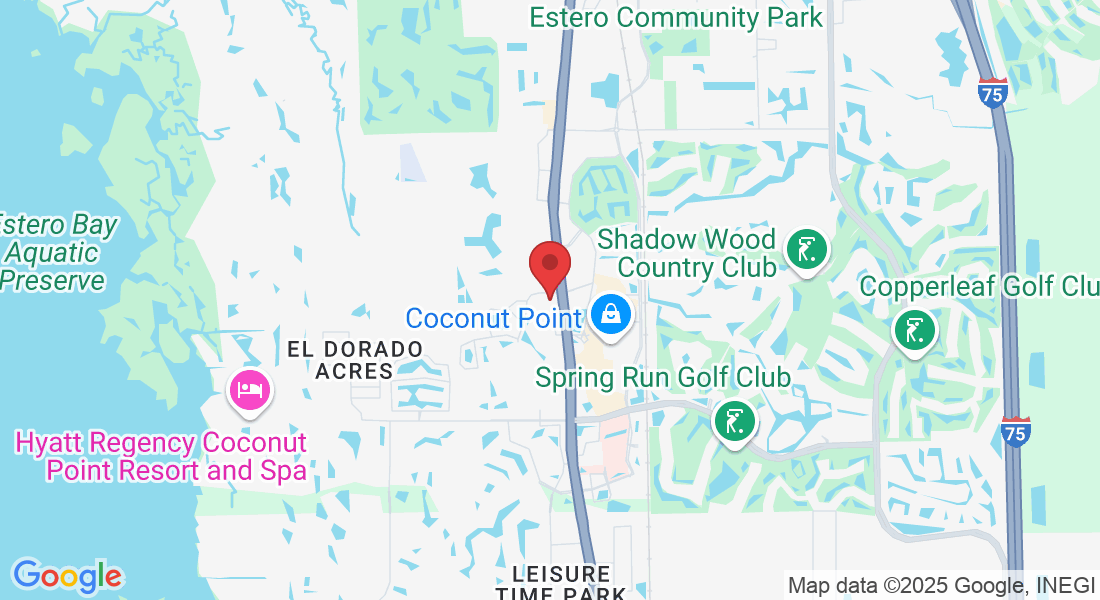
Choosing the right memory care community for a loved one is a deeply personal decision. At Gulf Coast Memory Care, conveniently located next to Coconut Point Shopping Center in Estero, Florida, we've created a haven of tranquility where residents can experience a luxurious and comfortable lifestyle. Let us help you make this important decision with confidence.
"Choose us with peace of mind; if within 90 days your heart pulls you elsewhere, we'll ensure a smooth transition and give your community fee back to help secure another place."
Your family's freedom to thrive is our top priority.

Award Winning Leadership

Understanding The Benefits Of Memory Care
Hear From Jen
We believe that exceptional care begins with open, honest, and ongoing communication. Families have direct access to our leadership and caregivers, including personal cell numbers, because staying informed should never be a struggle.
Every resident also receives a personalized care plan tailored to their needs, so families always stay connected.
Is It The Right Time For Memory Care?
Understanding that memory care is not a one-size-fits-all solution, we prioritize personalized care plans that adapt to each individual’s progression.
Learn more about senior care and get personalized results in this quick 5 minute survey.
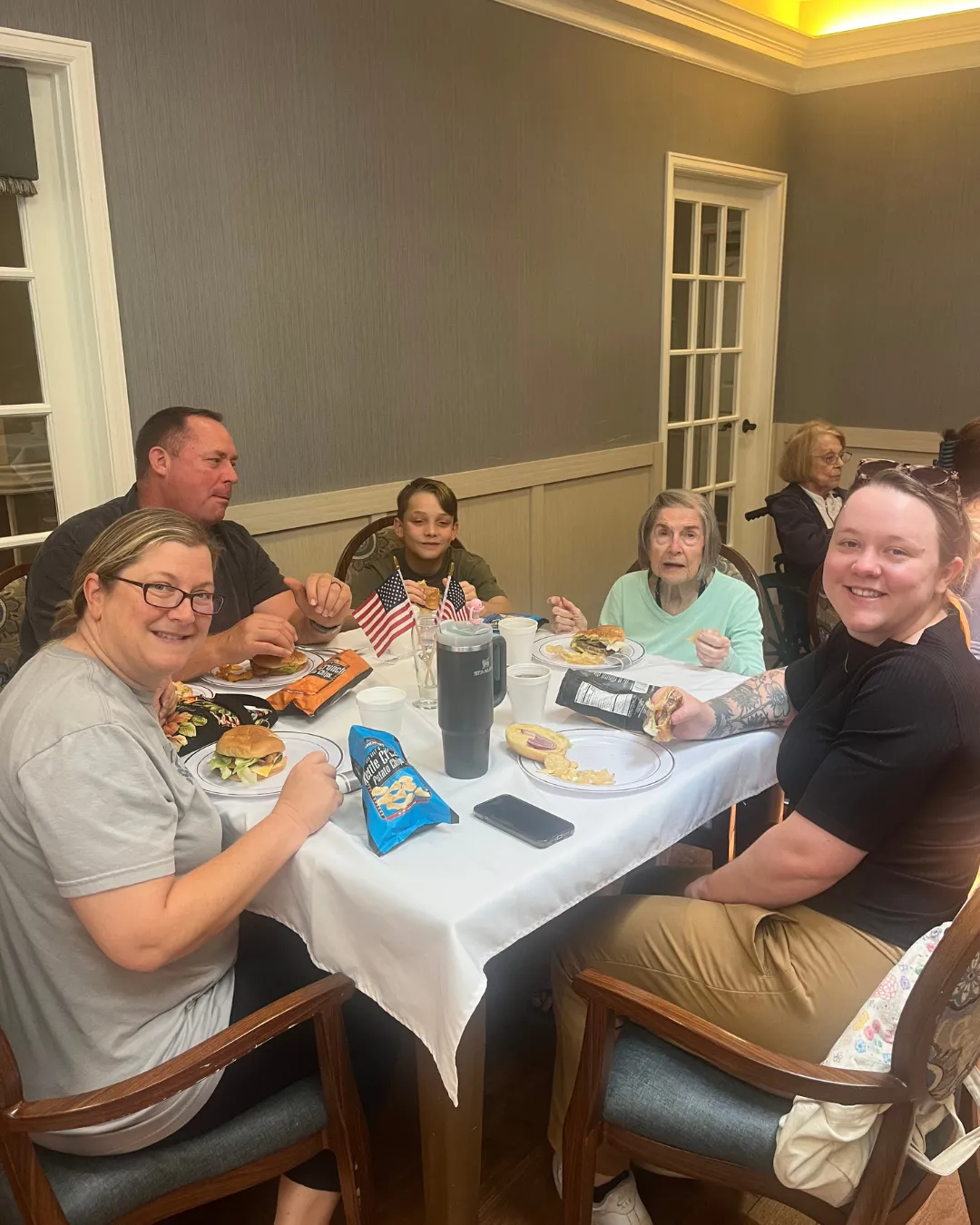
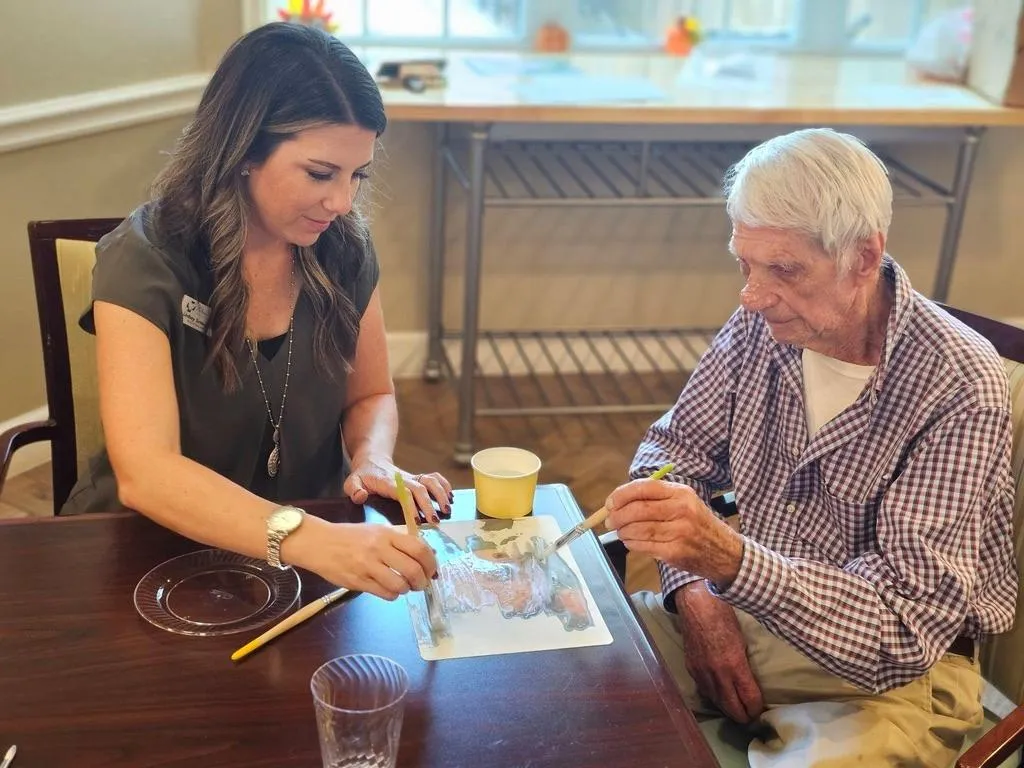
A Community For Alzheimer’s & Dementia Care
Families seeking Alzheimer’s and dementia support in Estero, Florida, can rely on our compassionate team for a community that truly cares.
Through ongoing training in the latest memory care practices and a commitment to safety, Gulf Coast Memory Care offers peace of mind for families and the highest standard of care for residents.
Love From Our Families


My mom moved into her new home a few weeks ago. I was able to visit with her this week while being in Florida and my gosh, I know she is right where she needs to be. Huge shoutout to Jerry, Diana, Paula, Kathy and Apryl. You are real life angels. The energy you bring is above and beyond. To see how you interact with not only my mom, but all the residents, it truly warms my heart. While it is heartbreaking to see my mom battle Alzheimer's, I know she is in the perfect place. She is safe and receiving the care she needs. <3 The place is clean, accommodating and most importantly feels like home. I love that there is a schedule and many activities for the residents to participate in. My mom has loved the painting and coloring
- Bill & Bonny B

Shelly Richardson
Upon entering this beautiful community, I was deeply impressed by the exceptional level of care and compassion demonstrated by all the caregivers. Every member of the team, from maintenance staff to the executive director, significantly contributes to the residents' quality of life. The interior courtyards offer a safe and beautiful outdoor escape for the residents, while the dining area is both elegant and spacious. GCMC stands out as one of the premier memory care centers I have ever visited.
- Bill & Bonny B

Exceptional dedication. Genuine care 24/7, everyone is doing a great job, from Management to the care team. Jerry and Diana are conducting the business, but you can see them walking the hallway and chatting with the residents, literally knowing everyone. There is an engine who works behind the scenes to have the day and night activity running smoothly. Family feeling, warmth, and genuine care, overall, 5 stars. Residents are never alone, there is always a pair of eyes to watch and hands ready to help as needed, but all is done in a certain way, so our loved ones don’t feel any loss of their independence. Beautifully done. The activities are not just lines on paper, everyone is involved. Food is first class.
- Bill & Bonny B
Our Senior Care Amenities
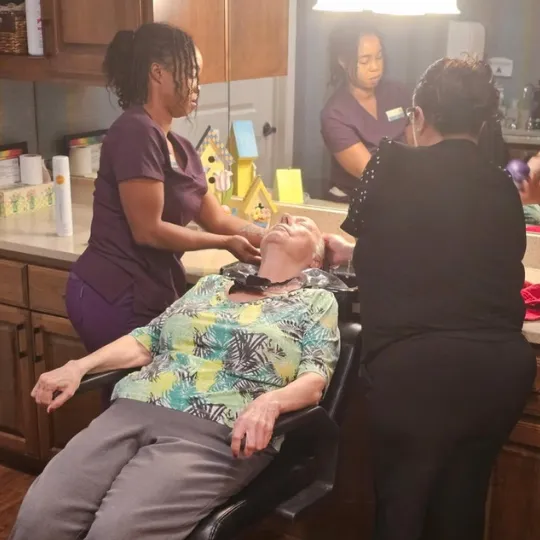
One-site beauty salon and barbershop
Personalized, chef-prepared meals
Customized activity programs
Craft and hobby room
Family living room
Full Library
Abundant natural light to minimize sundowning
Located next to Coconut Point Shopping Center
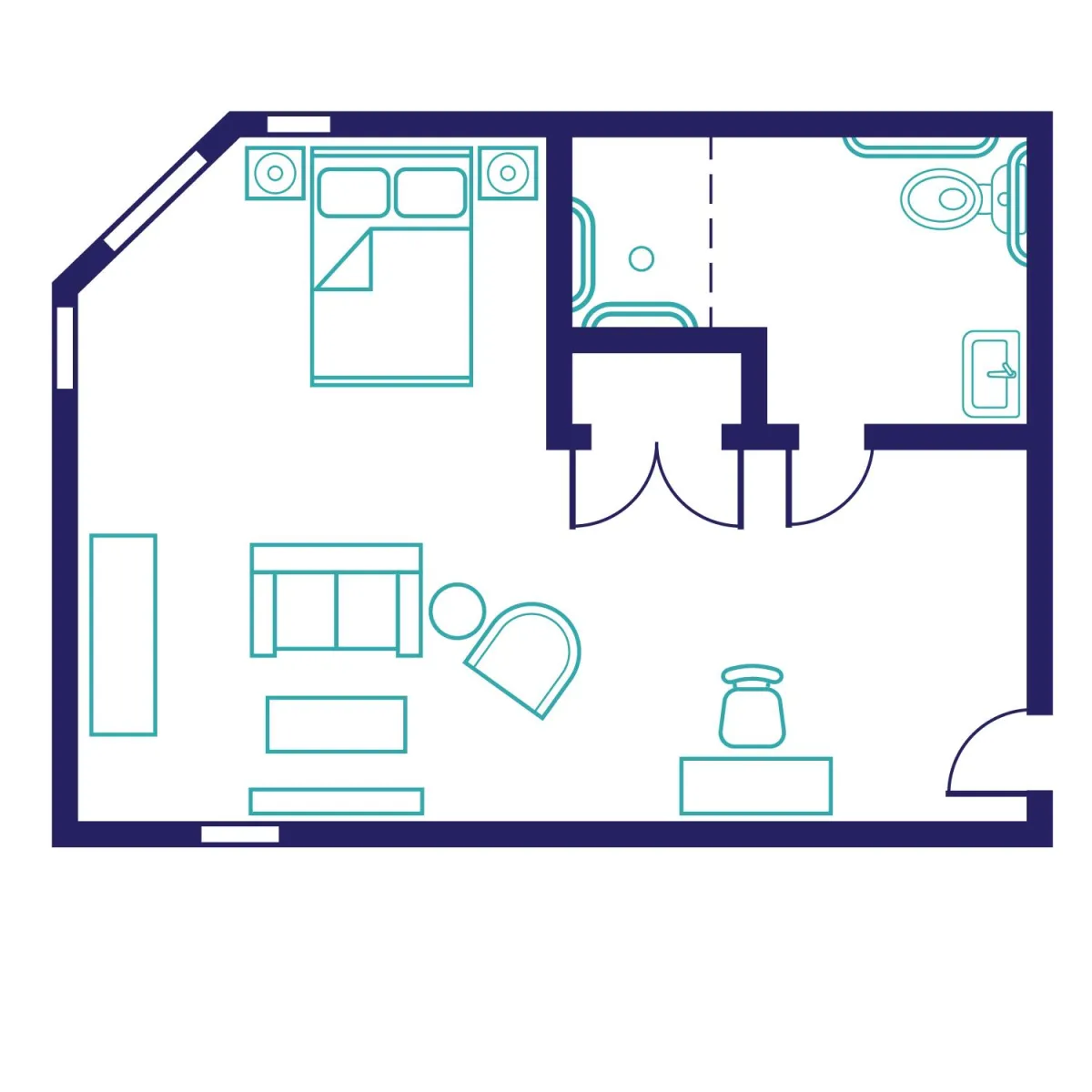
The Edison Suite
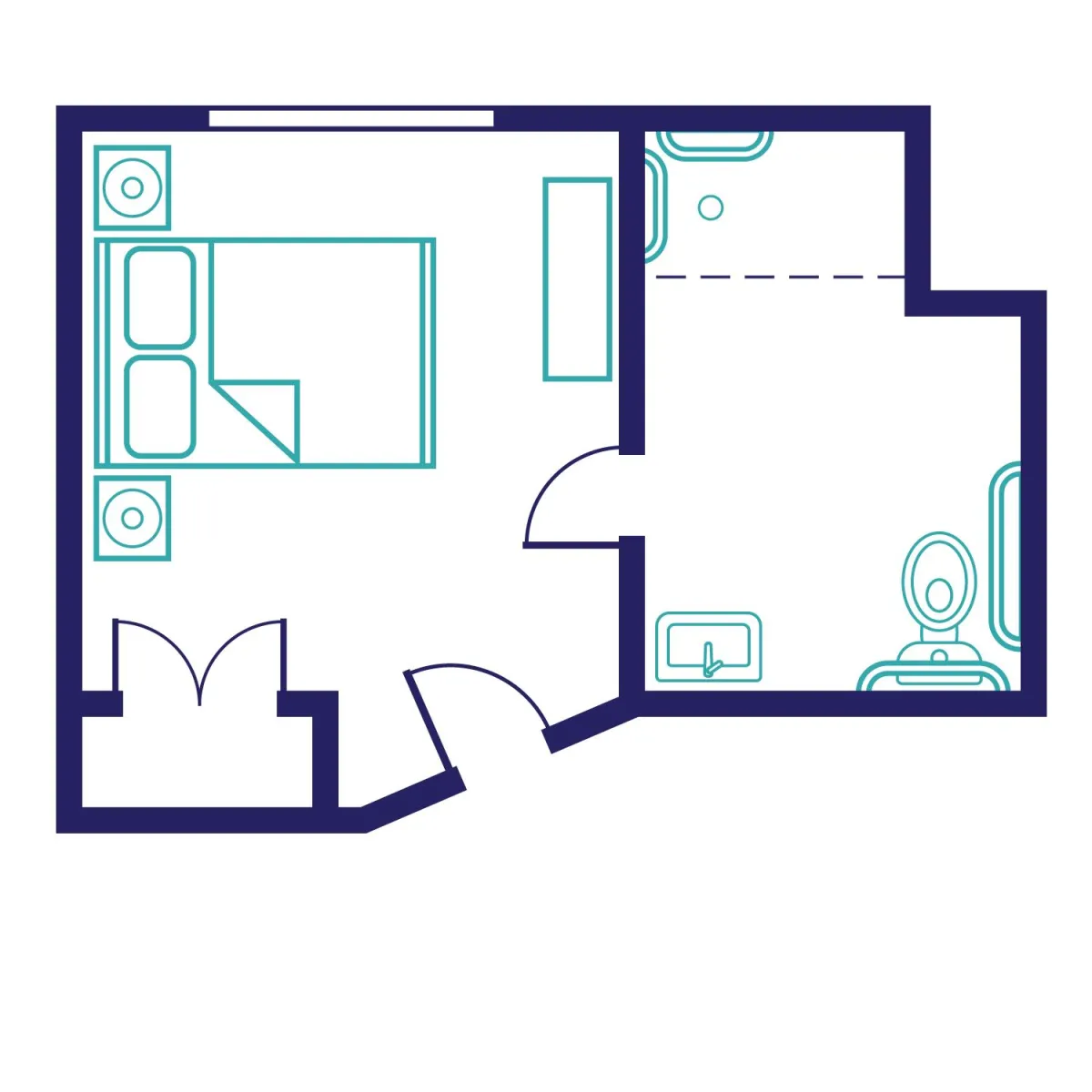
The Magnolia Suite
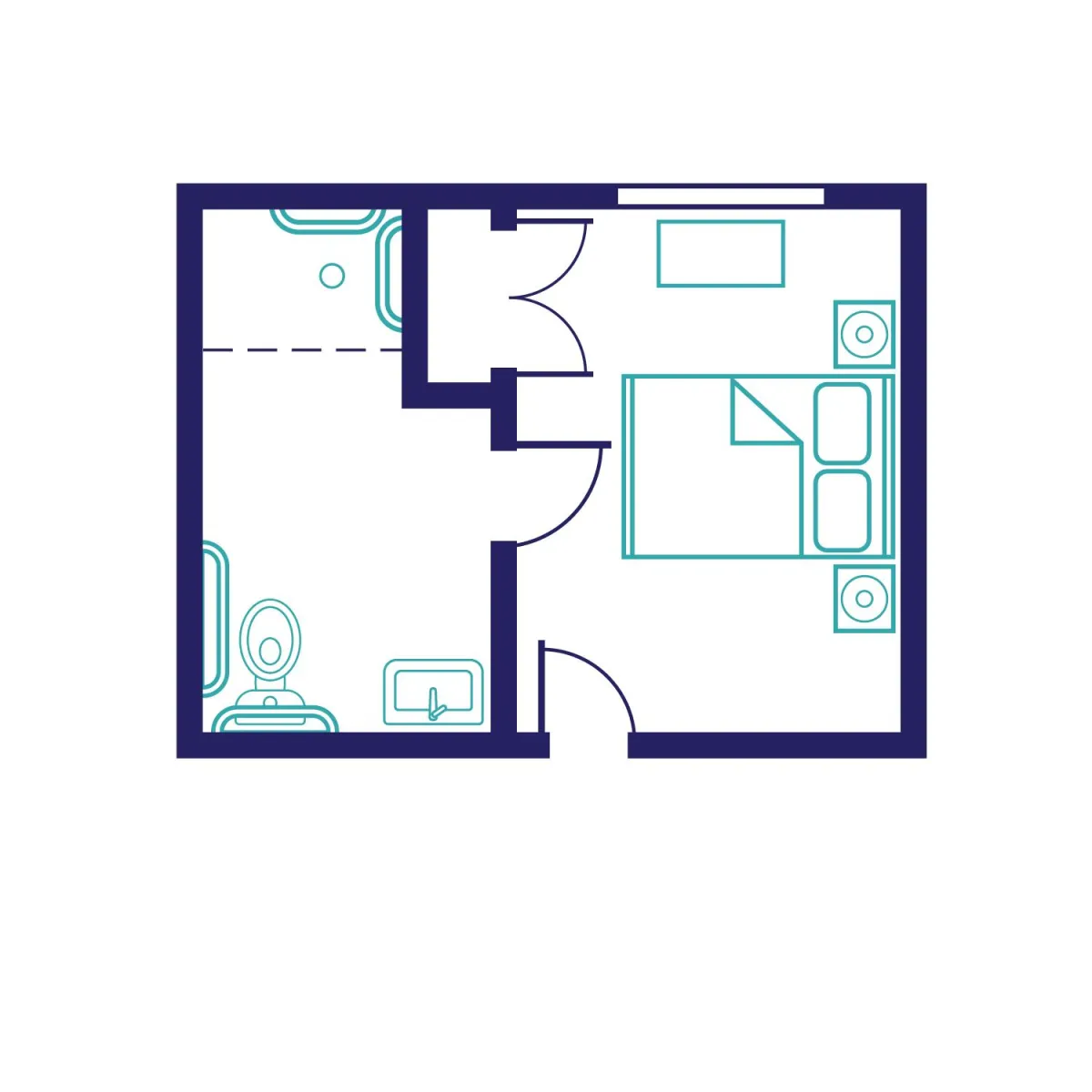
The Sugarberry Suite
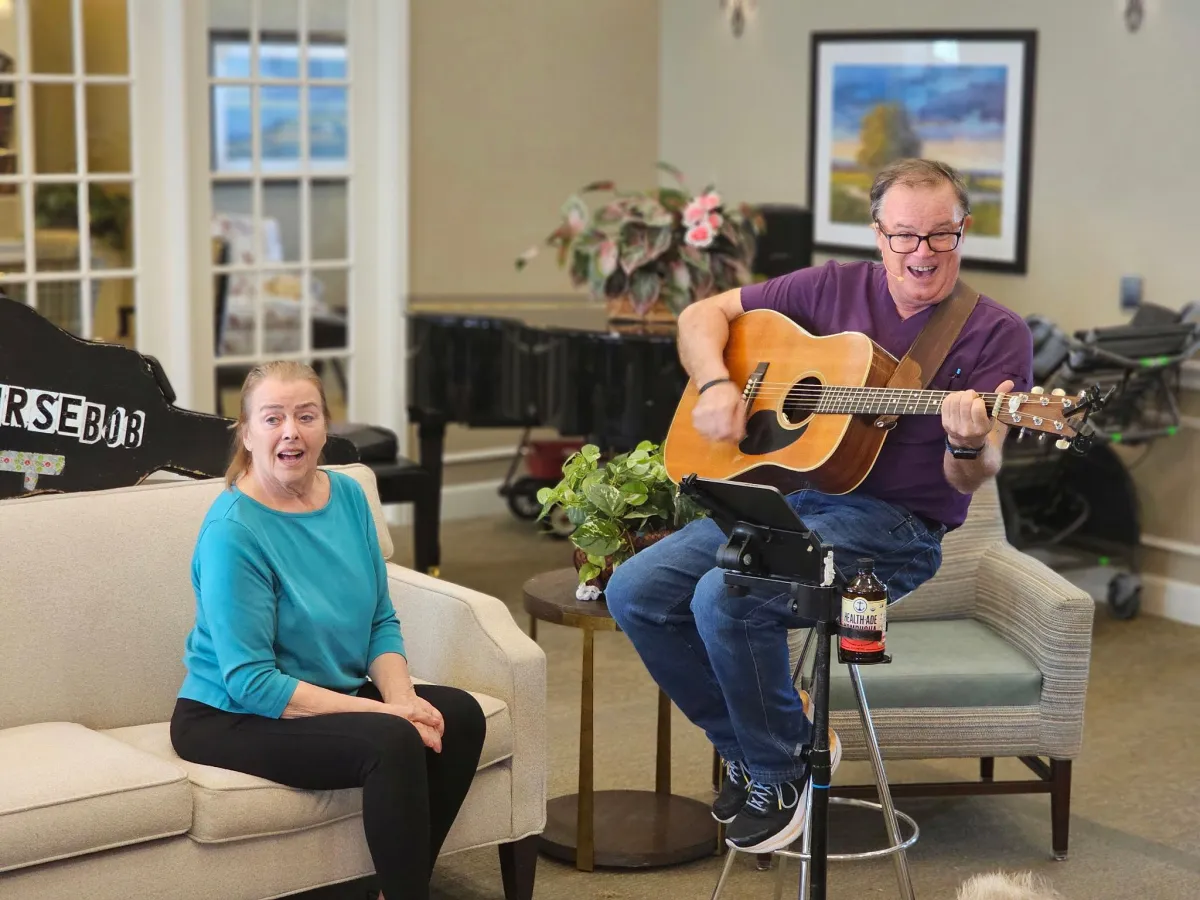
Engaging Residents With Meaningful Social Connections
We also prioritize activities that nurture both physical and mental wellness, from gentle exercise routines to social events that create a sense of community among residents. These carefully crafted programs are designed to boost mood, reduce anxiety, and encourage meaningful interactions, all of which contribute to a fulfilling lifestyle for those facing memory challenges.
Our Commitment To You
Our commitment extends to providing families with guidance and resources to understand memory loss and navigate the journey with confidence. Whether it’s through educational workshops or one-on-one consultations, we’re here to support families every step of the way, ensuring they feel connected and informed about their loved one’s care journey.
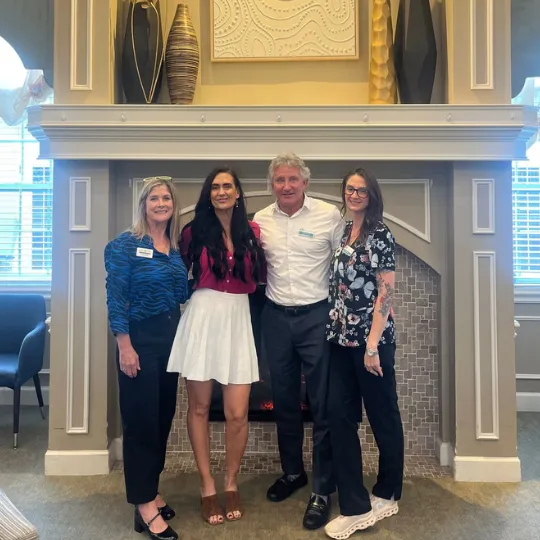

Are You Ready To Get Settled In?
Embark on a transformative experience at Gulf Coast Memory Care in Estero, Florida. We're not just a memory care community; we're a sanctuary where the mind, body, and spirit are nurtured. If you're seeking a place where compassion, care, and a deep respect for the human soul are paramount, you've found the right haven.
Check Out Our Blog

Should You Bring Your Loved One Home for Christmas? What to Consider
The question weighs heavy on many families this time of year: Should we bring Mom home for Christmas? It feels wrong to celebrate without them. The house feels empty. You want them surrounded by family, traditions, and the comfort of home. But you also know that dementia has changed things. The person who once hosted Christmas dinner now struggles with confusion, anxiety, and routine disruption. At Gulf Coast Memory Care in Estero, Florida, we understand this painful dilemma. There's no universal right answer—but there are important factors to consider before making this decision.
Why Families Want to Bring Loved Ones Home
The Emotional Pull of Christmas
Christmas is about family, tradition, and togetherness. The idea of your loved one spending the holiday in a care community—away from the home they built, the traditions they created—can feel heartbreaking. You imagine their face lighting up at familiar decorations, the comfort of their favorite chair, the joy of being surrounded by grandchildren.
Common Thoughts:
"This might be our last Christmas together."
"They deserve to be home for the holidays."
"It's not Christmas without them here."
"I feel guilty leaving them at the facility."
These feelings are valid, understandable, and deeply human. The desire to bring your loved one home comes from love—and that matters.
The Reality of Dementia and Routine Disruption
How Dementia Changes Holiday Experiences
Here's the difficult truth: the person you're bringing home may not experience Christmas the way you hope. Dementia affects how individuals process change, recognize familiar environments, and manage sensory overload.
The Alzheimer's Association provides guidance on managing routine changes in dementia care.
What Often Happens:
Increased Confusion: Leaving the familiar memory care environment can trigger disorientation, even in a home they lived in for decades.
Heightened Anxiety: New (or once-familiar) surroundings, multiple family members, noise, and activity can overwhelm someone with dementia.
Behavioral Changes: Agitation, aggression, withdrawal, or sundowning often intensify outside of structured routines.
Sleep Disruption: Different bed, different sounds, different routine—sleep suffers, which worsens confusion and mood.
Difficulty Returning: After being home, returning to memory care can feel like abandonment all over again, causing distress for days or weeks.
The Hardest Part: Your loved one may not recognize their own home. They may ask to "go home" while sitting in the living room where they raised their children. The home you remember isn't the home they experience through the lens of dementia.
Questions to Ask Before Deciding
Assessing Readiness and Safety
1. What stage of dementia is your loved one in?
Early-stage: May handle a short visit home with preparation and support.
Moderate-stage: Likely to experience confusion and anxiety; shorter visits at the facility may be better.
Late-stage: Routine disruption can cause significant distress; celebrating at GCMC is often more compassionate.
Learn more about dementia stages from the National Institute on Aging.
2. How do they typically respond to change?
Do they become anxious when routines shift?
Have previous outings or visits caused increased confusion or agitation?
How long does it take them to settle after disruptions?
3. What does "home" mean to them now?
Do they recognize their former home?
Do they refer to a different home from their past (childhood home, a previous residence)?
Have they adjusted to memory care as their new "home"?
4. What are the logistics?
How long is the drive? (Long car rides can increase anxiety and confusion.)
Who will provide hands-on care during the visit? (Toileting, medication, mobility assistance, behavioral support.)
Is the home safe for someone with dementia? (Stairs, sharp corners, wandering risks, stove access.)
What is your backup plan if they become distressed or agitated?
5. What do the professionals recommend?
What does GCMC staff say about your loved one's ability to handle this transition?
What does their doctor recommend?
Have they had successful outings before, or do outings typically cause distress?
6. Are you prepared for the emotional toll?
Can you handle it if they don't recognize the home or ask to leave?
Are you ready for potential behavioral challenges?
Do you have support if the visit becomes overwhelming?
Alternatives to Bringing Them Home
Celebrating at Gulf Coast Memory Care
Sometimes the most loving choice is to bring Christmas to them—rather than bringing them to Christmas.
The Alzheimer's Association offers additional holiday caregiving tips.
Why This Often Works Better:
Familiar Environment: They're in a space they know, with caregivers they trust.
Routine Maintained: Meals, activities, and care happen on schedule, reducing anxiety.
Controlled Environment: You can manage noise, activity level, and sensory input.
Staff Support: Our team is available if your loved one becomes overwhelmed or needs care.
No Transition Stress: No car ride, no unfamiliar surroundings, no difficult return.
How to Make It Special:
Bring the Holiday to Them:
Decorate their suite with a small tree, lights, or familiar decorations
Bring favorite holiday foods (coordinate with our chef about dietary needs)
Play their favorite Christmas music
Share photo albums or videos of past holidays
Bring grandchildren for shorter, manageable visits
Use GCMC's Spaces:
Celebrate in our elegant dining room
Enjoy time together in our family living room
Take a peaceful walk in our interior courtyards
Participate in GCMC's holiday activities and programming
Involve Family Gradually:
Stagger family visits throughout the day rather than one large gathering
Keep visits shorter and calmer
Focus on one-on-one connection rather than group chaos
When Bringing Them Home Might Work
Making It as Successful as Possible
If you decide to bring your loved one home, preparation and realistic expectations are essential.
Best Practices:
Keep It Short:
2-4 hours is often the sweet spot
Plan the visit during their best time of day (usually mid-morning or early afternoon)
Avoid late afternoon/evening when sundowning is common
Minimize Overstimulation:
Limit the number of people present at once
Keep noise levels low (no loud music, TV, or multiple conversations)
Create a quiet space they can retreat to if overwhelmed
Maintain Routine Elements:
Serve meals at their usual times
Bring familiar items from their memory care suite
Stick to their medication schedule
Plan the visit around their usual activity rhythm
Prepare the Environment:
Remove safety hazards
Lock doors if wandering is a concern
Ensure bathroom accessibility
Have a caregiver dedicated to their needs (not hosting duties)
Have a Backup Plan:
Be ready to return them to GCMC if they become distressed
Don't force the visit to continue if it's not working
Communicate with GCMC staff about timing and any concerns
Prepare Family Members:
Explain what to expect (confusion, possible lack of recognition, behavioral changes)
Assign one person as the primary caregiver during the visit
Remind everyone that dementia is speaking, not your loved one
What Families Often Discover
The Gift of Letting Go
Many families who choose to celebrate at the memory care community report unexpected peace. They're able to focus on connection rather than logistics. They're not managing care, safety, and hosting simultaneously. They can be present—truly present—without the stress of wondering if this was the right decision.
What Families Tell Us:
"I thought it would feel sad, but it was actually really peaceful."
"We could just enjoy being together without worrying about everything else."
"It was easier on everyone, including him."
Frequently Asked Questions
Q: Will my loved one be upset if we don't bring them home? A: They may not remember the plan or understand the concept of "home" the way you do. What matters most is your presence, not the location.
Q: What if this is our last Christmas together? A: The location matters far less than the quality of connection. A calm, present visit at GCMC can be more meaningful than a stressful visit at home.
Q: Will they feel abandoned if we celebrate at the community? A: Your presence is what matters. Being with them in a calm, familiar environment often feels more secure than a chaotic home visit.
Q: Can we bring a full Christmas meal to GCMC? A: Yes! Coordinate with our team about dietary needs, timing, and dining space availability. We're happy to support family celebrations.
Q: What if family members pressure us to bring them home? A: Share educational resources about dementia and routine disruption. Ultimately, the decision should prioritize your loved one's well-being, not family expectations.
Q: How do we know if we're making the right choice? A: There's no perfect answer. The right choice is the one that prioritizes your loved one's comfort, safety, and emotional well-being—and your family's capacity to provide support.
Key Takeaways
✓ Bringing a loved one home for Christmas is a personal decision with no universal right answer
✓ Consider dementia stage, routine disruption, safety, and logistics before deciding
✓ Celebrating at GCMC often reduces stress for both residents and families
✓ If bringing them home, keep visits short, calm, and structured
✓ Your presence matters more than the location
✓ GCMC supports families in creating meaningful holiday experiences, wherever they happen
The Bottom Line: Love Looks Different Now
Christmas with dementia doesn't look like it used to. The traditions, the gatherings, the familiar rhythms—they've changed. And that's okay. Love doesn't require a specific location. It doesn't require perfect memories or recognition. It requires presence, compassion, and the courage to make decisions that prioritize your loved one's well-being, even when those decisions break your heart.
Whether you bring your loved one home or celebrate at Gulf Coast Memory Care, what matters most is this: they feel safe, loved, and valued. That's the gift you give them. And that's enough.
Navigating difficult holiday decisions? Gulf Coast Memory Care's team is here to help. Contact us at (239) 427-1455 to discuss your loved one's specific needs and how we can support your family's Christmas celebration—whether at home or at our Estero community at 22900 Lyden Drive, next to Coconut Point.

Should You Bring Your Loved One Home for Christmas? What to Consider
The question weighs heavy on many families this time of year: Should we bring Mom home for Christmas? It feels wrong to celebrate without them. The house feels empty. You want them surrounded by family, traditions, and the comfort of home. But you also know that dementia has changed things. The person who once hosted Christmas dinner now struggles with confusion, anxiety, and routine disruption. At Gulf Coast Memory Care in Estero, Florida, we understand this painful dilemma. There's no universal right answer—but there are important factors to consider before making this decision.
Why Families Want to Bring Loved Ones Home
The Emotional Pull of Christmas
Christmas is about family, tradition, and togetherness. The idea of your loved one spending the holiday in a care community—away from the home they built, the traditions they created—can feel heartbreaking. You imagine their face lighting up at familiar decorations, the comfort of their favorite chair, the joy of being surrounded by grandchildren.
Common Thoughts:
"This might be our last Christmas together."
"They deserve to be home for the holidays."
"It's not Christmas without them here."
"I feel guilty leaving them at the facility."
These feelings are valid, understandable, and deeply human. The desire to bring your loved one home comes from love—and that matters.
The Reality of Dementia and Routine Disruption
How Dementia Changes Holiday Experiences
Here's the difficult truth: the person you're bringing home may not experience Christmas the way you hope. Dementia affects how individuals process change, recognize familiar environments, and manage sensory overload.
The Alzheimer's Association provides guidance on managing routine changes in dementia care.
What Often Happens:
Increased Confusion: Leaving the familiar memory care environment can trigger disorientation, even in a home they lived in for decades.
Heightened Anxiety: New (or once-familiar) surroundings, multiple family members, noise, and activity can overwhelm someone with dementia.
Behavioral Changes: Agitation, aggression, withdrawal, or sundowning often intensify outside of structured routines.
Sleep Disruption: Different bed, different sounds, different routine—sleep suffers, which worsens confusion and mood.
Difficulty Returning: After being home, returning to memory care can feel like abandonment all over again, causing distress for days or weeks.
The Hardest Part: Your loved one may not recognize their own home. They may ask to "go home" while sitting in the living room where they raised their children. The home you remember isn't the home they experience through the lens of dementia.
Questions to Ask Before Deciding
Assessing Readiness and Safety
1. What stage of dementia is your loved one in?
Early-stage: May handle a short visit home with preparation and support.
Moderate-stage: Likely to experience confusion and anxiety; shorter visits at the facility may be better.
Late-stage: Routine disruption can cause significant distress; celebrating at GCMC is often more compassionate.
Learn more about dementia stages from the National Institute on Aging.
2. How do they typically respond to change?
Do they become anxious when routines shift?
Have previous outings or visits caused increased confusion or agitation?
How long does it take them to settle after disruptions?
3. What does "home" mean to them now?
Do they recognize their former home?
Do they refer to a different home from their past (childhood home, a previous residence)?
Have they adjusted to memory care as their new "home"?
4. What are the logistics?
How long is the drive? (Long car rides can increase anxiety and confusion.)
Who will provide hands-on care during the visit? (Toileting, medication, mobility assistance, behavioral support.)
Is the home safe for someone with dementia? (Stairs, sharp corners, wandering risks, stove access.)
What is your backup plan if they become distressed or agitated?
5. What do the professionals recommend?
What does GCMC staff say about your loved one's ability to handle this transition?
What does their doctor recommend?
Have they had successful outings before, or do outings typically cause distress?
6. Are you prepared for the emotional toll?
Can you handle it if they don't recognize the home or ask to leave?
Are you ready for potential behavioral challenges?
Do you have support if the visit becomes overwhelming?
Alternatives to Bringing Them Home
Celebrating at Gulf Coast Memory Care
Sometimes the most loving choice is to bring Christmas to them—rather than bringing them to Christmas.
The Alzheimer's Association offers additional holiday caregiving tips.
Why This Often Works Better:
Familiar Environment: They're in a space they know, with caregivers they trust.
Routine Maintained: Meals, activities, and care happen on schedule, reducing anxiety.
Controlled Environment: You can manage noise, activity level, and sensory input.
Staff Support: Our team is available if your loved one becomes overwhelmed or needs care.
No Transition Stress: No car ride, no unfamiliar surroundings, no difficult return.
How to Make It Special:
Bring the Holiday to Them:
Decorate their suite with a small tree, lights, or familiar decorations
Bring favorite holiday foods (coordinate with our chef about dietary needs)
Play their favorite Christmas music
Share photo albums or videos of past holidays
Bring grandchildren for shorter, manageable visits
Use GCMC's Spaces:
Celebrate in our elegant dining room
Enjoy time together in our family living room
Take a peaceful walk in our interior courtyards
Participate in GCMC's holiday activities and programming
Involve Family Gradually:
Stagger family visits throughout the day rather than one large gathering
Keep visits shorter and calmer
Focus on one-on-one connection rather than group chaos
When Bringing Them Home Might Work
Making It as Successful as Possible
If you decide to bring your loved one home, preparation and realistic expectations are essential.
Best Practices:
Keep It Short:
2-4 hours is often the sweet spot
Plan the visit during their best time of day (usually mid-morning or early afternoon)
Avoid late afternoon/evening when sundowning is common
Minimize Overstimulation:
Limit the number of people present at once
Keep noise levels low (no loud music, TV, or multiple conversations)
Create a quiet space they can retreat to if overwhelmed
Maintain Routine Elements:
Serve meals at their usual times
Bring familiar items from their memory care suite
Stick to their medication schedule
Plan the visit around their usual activity rhythm
Prepare the Environment:
Remove safety hazards
Lock doors if wandering is a concern
Ensure bathroom accessibility
Have a caregiver dedicated to their needs (not hosting duties)
Have a Backup Plan:
Be ready to return them to GCMC if they become distressed
Don't force the visit to continue if it's not working
Communicate with GCMC staff about timing and any concerns
Prepare Family Members:
Explain what to expect (confusion, possible lack of recognition, behavioral changes)
Assign one person as the primary caregiver during the visit
Remind everyone that dementia is speaking, not your loved one
What Families Often Discover
The Gift of Letting Go
Many families who choose to celebrate at the memory care community report unexpected peace. They're able to focus on connection rather than logistics. They're not managing care, safety, and hosting simultaneously. They can be present—truly present—without the stress of wondering if this was the right decision.
What Families Tell Us:
"I thought it would feel sad, but it was actually really peaceful."
"We could just enjoy being together without worrying about everything else."
"It was easier on everyone, including him."
Frequently Asked Questions
Q: Will my loved one be upset if we don't bring them home? A: They may not remember the plan or understand the concept of "home" the way you do. What matters most is your presence, not the location.
Q: What if this is our last Christmas together? A: The location matters far less than the quality of connection. A calm, present visit at GCMC can be more meaningful than a stressful visit at home.
Q: Will they feel abandoned if we celebrate at the community? A: Your presence is what matters. Being with them in a calm, familiar environment often feels more secure than a chaotic home visit.
Q: Can we bring a full Christmas meal to GCMC? A: Yes! Coordinate with our team about dietary needs, timing, and dining space availability. We're happy to support family celebrations.
Q: What if family members pressure us to bring them home? A: Share educational resources about dementia and routine disruption. Ultimately, the decision should prioritize your loved one's well-being, not family expectations.
Q: How do we know if we're making the right choice? A: There's no perfect answer. The right choice is the one that prioritizes your loved one's comfort, safety, and emotional well-being—and your family's capacity to provide support.
Key Takeaways
✓ Bringing a loved one home for Christmas is a personal decision with no universal right answer
✓ Consider dementia stage, routine disruption, safety, and logistics before deciding
✓ Celebrating at GCMC often reduces stress for both residents and families
✓ If bringing them home, keep visits short, calm, and structured
✓ Your presence matters more than the location
✓ GCMC supports families in creating meaningful holiday experiences, wherever they happen
The Bottom Line: Love Looks Different Now
Christmas with dementia doesn't look like it used to. The traditions, the gatherings, the familiar rhythms—they've changed. And that's okay. Love doesn't require a specific location. It doesn't require perfect memories or recognition. It requires presence, compassion, and the courage to make decisions that prioritize your loved one's well-being, even when those decisions break your heart.
Whether you bring your loved one home or celebrate at Gulf Coast Memory Care, what matters most is this: they feel safe, loved, and valued. That's the gift you give them. And that's enough.
Navigating difficult holiday decisions? Gulf Coast Memory Care's team is here to help. Contact us at (239) 427-1455 to discuss your loved one's specific needs and how we can support your family's Christmas celebration—whether at home or at our Estero community at 22900 Lyden Drive, next to Coconut Point.
Come Visit Us
We can't wait to hear from you! Fill out our contact form to get started or if you would like to see our community for yourself, schedule a tour here.


Gulf Coast Memory Care
(239) 427-1455
22900 Lyden Dr, Estero, FL 33928
AL# 12921
Privacy Policy | Accessibility Statement | Visitation Policy