
Call Us: (239) 427-1455
This site is for families seeking memory care services. For employment inquiries, visit our Indeed page.
Redefining Memory Care In Estero Florida
Choosing the right memory care community for a loved one is a deeply personal decision. At Gulf Coast Memory Care, conveniently located next to Coconut Point Shopping Center in Estero, Florida, we've created a haven of tranquility where residents can experience a luxurious and comfortable lifestyle. Let us help you make this important decision with confidence.
"Choose us with peace of mind; if within 90 days your heart pulls you elsewhere, we'll ensure a smooth transition and give your community fee back to help secure another place."
Your family's freedom to thrive is our top priority.

Award Winning Leadership

Understanding The Benefits Of Memory Care
Hear From Jen
We believe that exceptional care begins with open, honest, and ongoing communication. Families have direct access to our leadership and caregivers, including personal cell numbers, because staying informed should never be a struggle.
Every resident also receives a personalized care plan tailored to their needs, so families always stay connected.
Is It The Right Time For Memory Care?
Understanding that memory care is not a one-size-fits-all solution, we prioritize personalized care plans that adapt to each individual’s progression.
Learn more about senior care and get personalized results in this quick 5 minute survey.
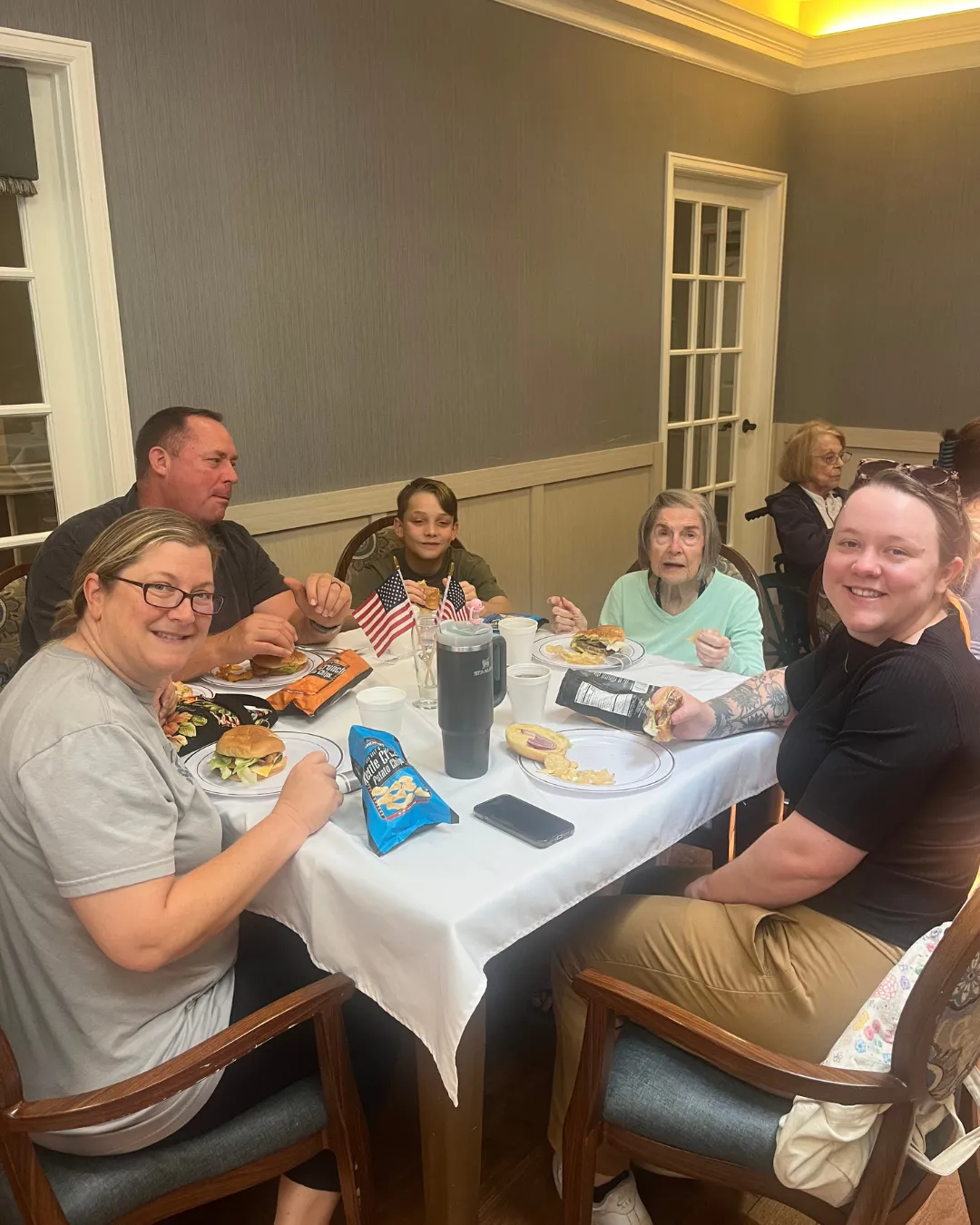
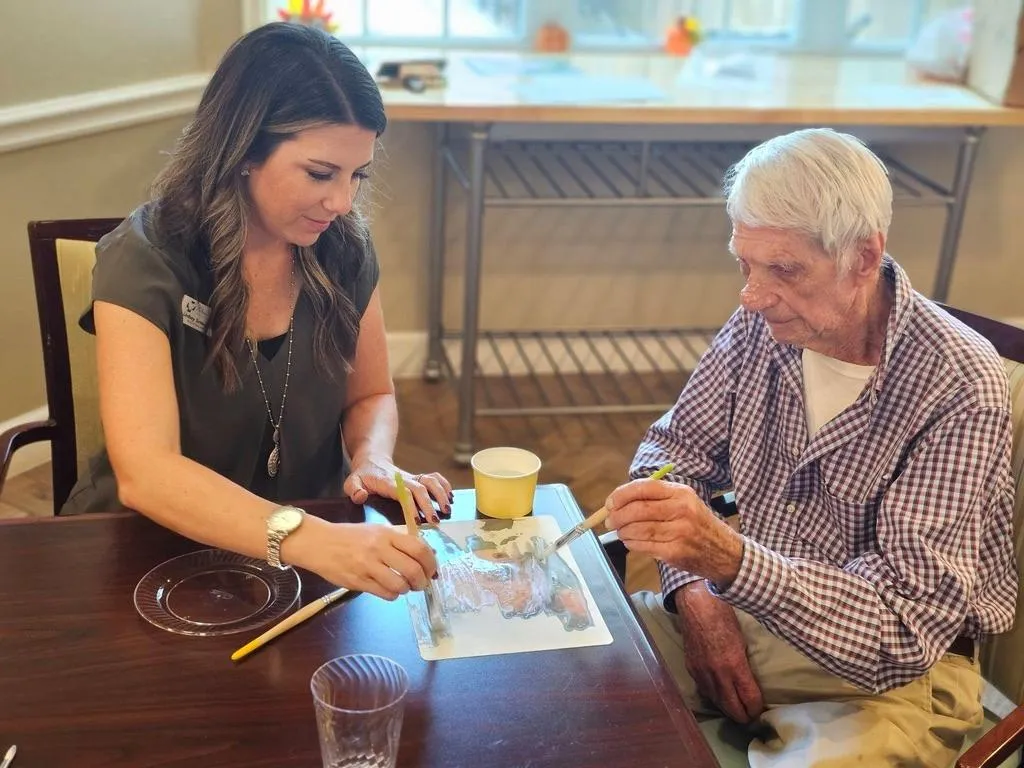
A Community For Alzheimer’s & Dementia Care
Families seeking Alzheimer’s and dementia support in Estero, Florida, can rely on our compassionate team for a community that truly cares.
Through ongoing training in the latest memory care practices and a commitment to safety, Gulf Coast Memory Care offers peace of mind for families and the highest standard of care for residents.
Love From Our Families


My mom moved into her new home a few weeks ago. I was able to visit with her this week while being in Florida and my gosh, I know she is right where she needs to be. Huge shoutout to Jerry, Diana, Paula, Kathy and Apryl. You are real life angels. The energy you bring is above and beyond. To see how you interact with not only my mom, but all the residents, it truly warms my heart. While it is heartbreaking to see my mom battle Alzheimer's, I know she is in the perfect place. She is safe and receiving the care she needs. <3 The place is clean, accommodating and most importantly feels like home. I love that there is a schedule and many activities for the residents to participate in. My mom has loved the painting and coloring
- Bill & Bonny B

Shelly Richardson
Upon entering this beautiful community, I was deeply impressed by the exceptional level of care and compassion demonstrated by all the caregivers. Every member of the team, from maintenance staff to the executive director, significantly contributes to the residents' quality of life. The interior courtyards offer a safe and beautiful outdoor escape for the residents, while the dining area is both elegant and spacious. GCMC stands out as one of the premier memory care centers I have ever visited.
- Bill & Bonny B

Exceptional dedication. Genuine care 24/7, everyone is doing a great job, from Management to the care team. Jerry and Diana are conducting the business, but you can see them walking the hallway and chatting with the residents, literally knowing everyone. There is an engine who works behind the scenes to have the day and night activity running smoothly. Family feeling, warmth, and genuine care, overall, 5 stars. Residents are never alone, there is always a pair of eyes to watch and hands ready to help as needed, but all is done in a certain way, so our loved ones don’t feel any loss of their independence. Beautifully done. The activities are not just lines on paper, everyone is involved. Food is first class.
- Bill & Bonny B
Our Senior Care Amenities
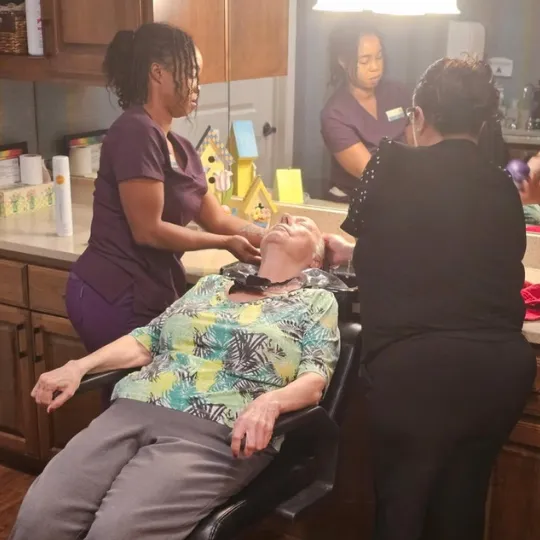
One-site beauty salon and barbershop
Personalized, chef-prepared meals
Customized activity programs
Craft and hobby room
Family living room
Full Library
Abundant natural light to minimize sundowning
Located next to Coconut Point Shopping Center
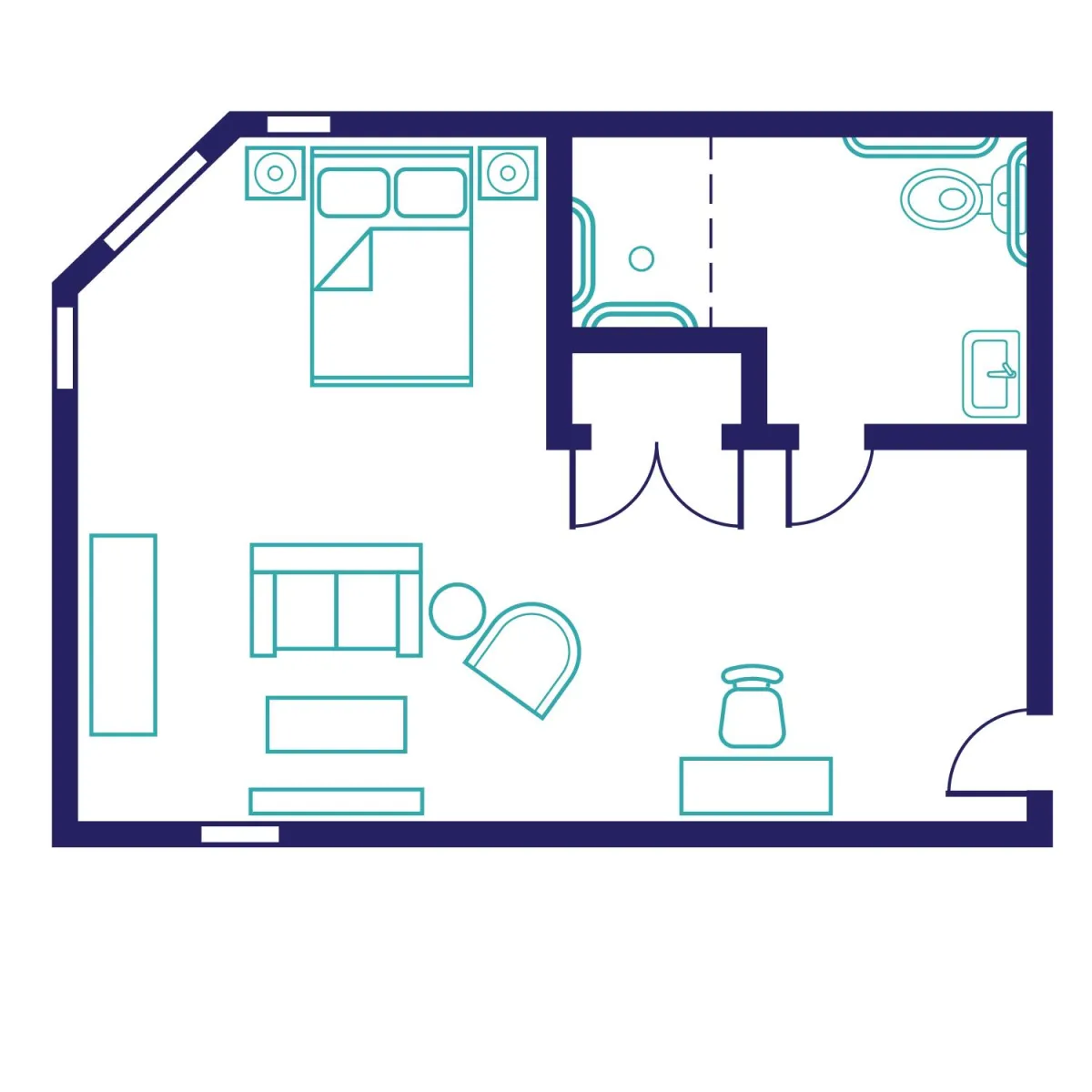
The Edison Suite
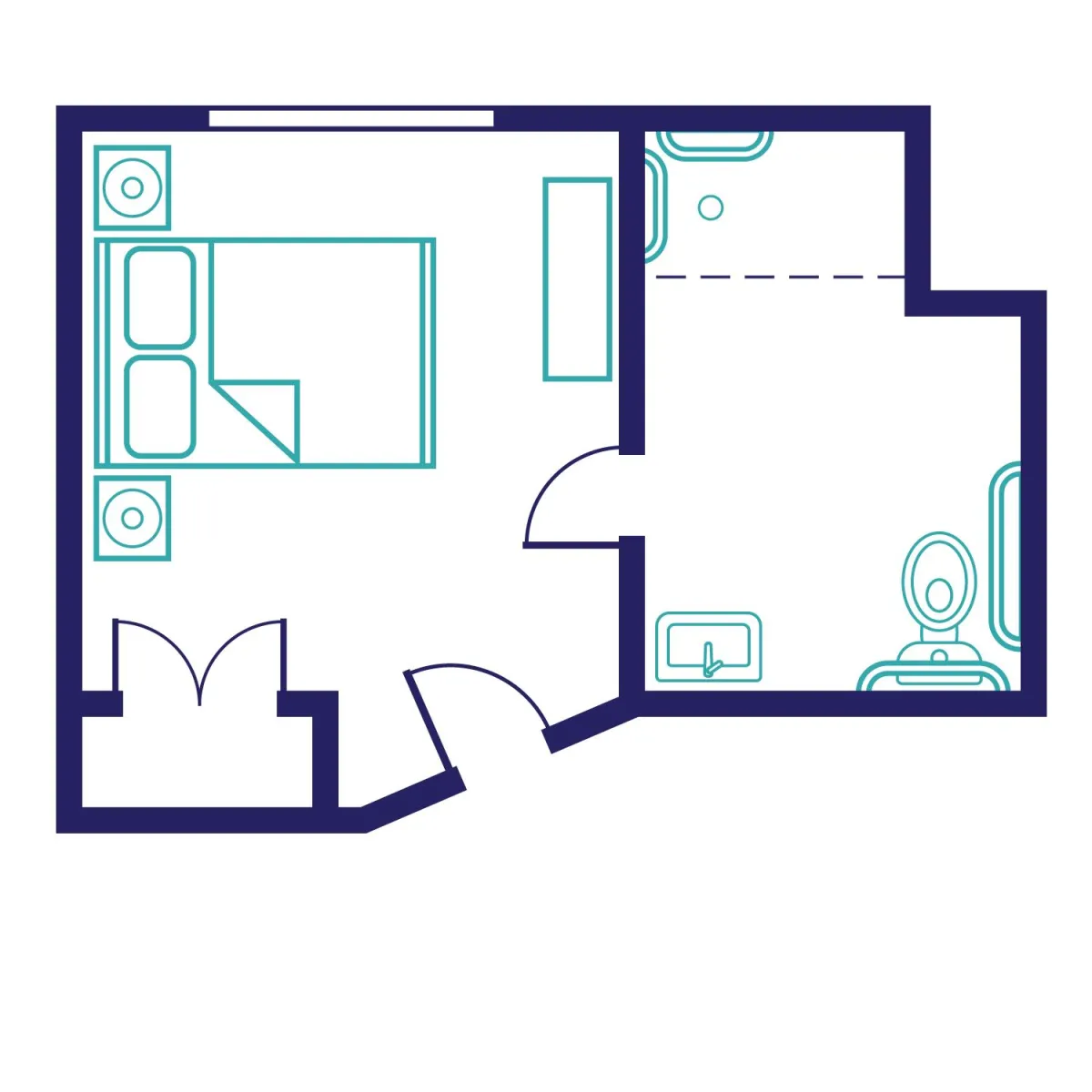
The Magnolia Suite
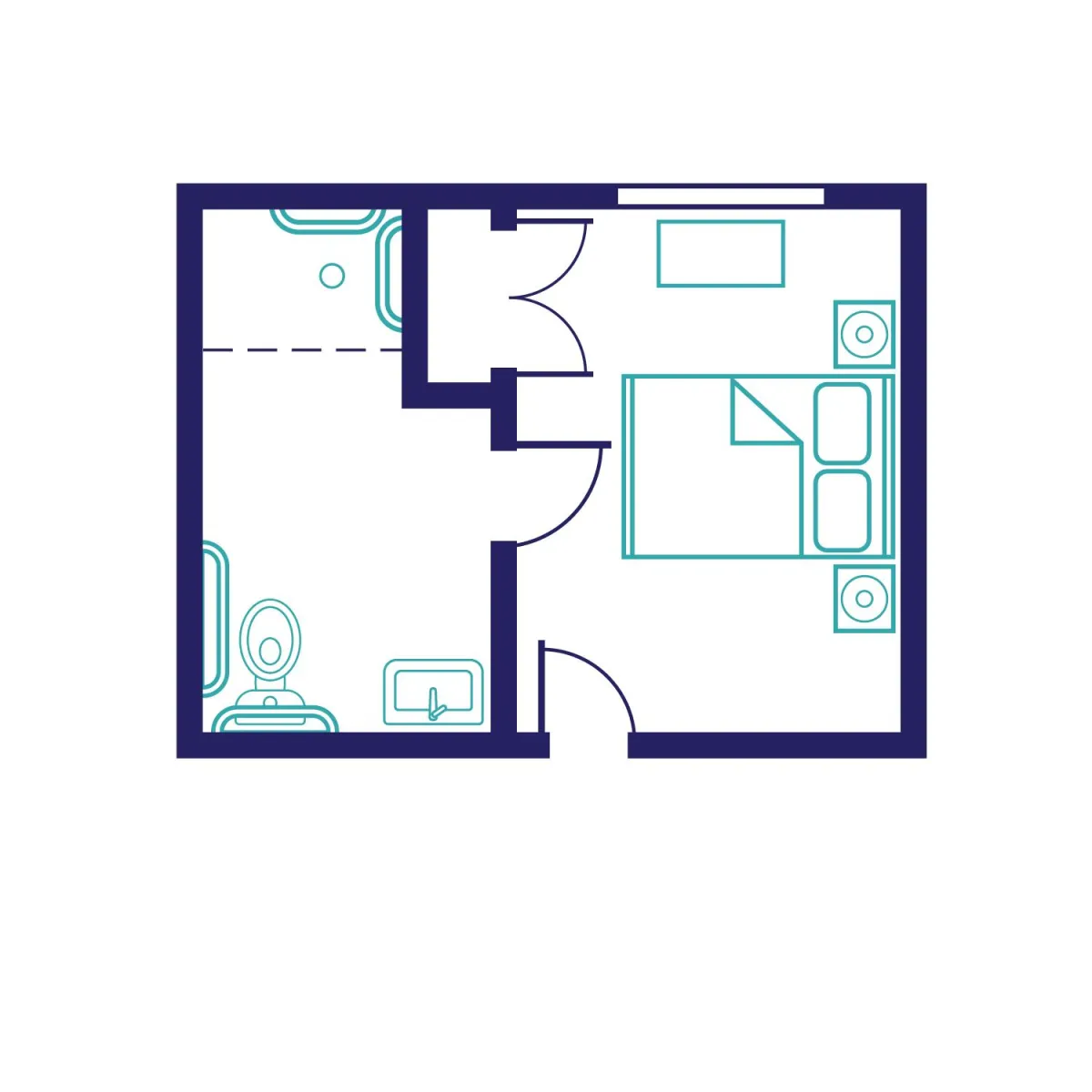
The Sugarberry Suite
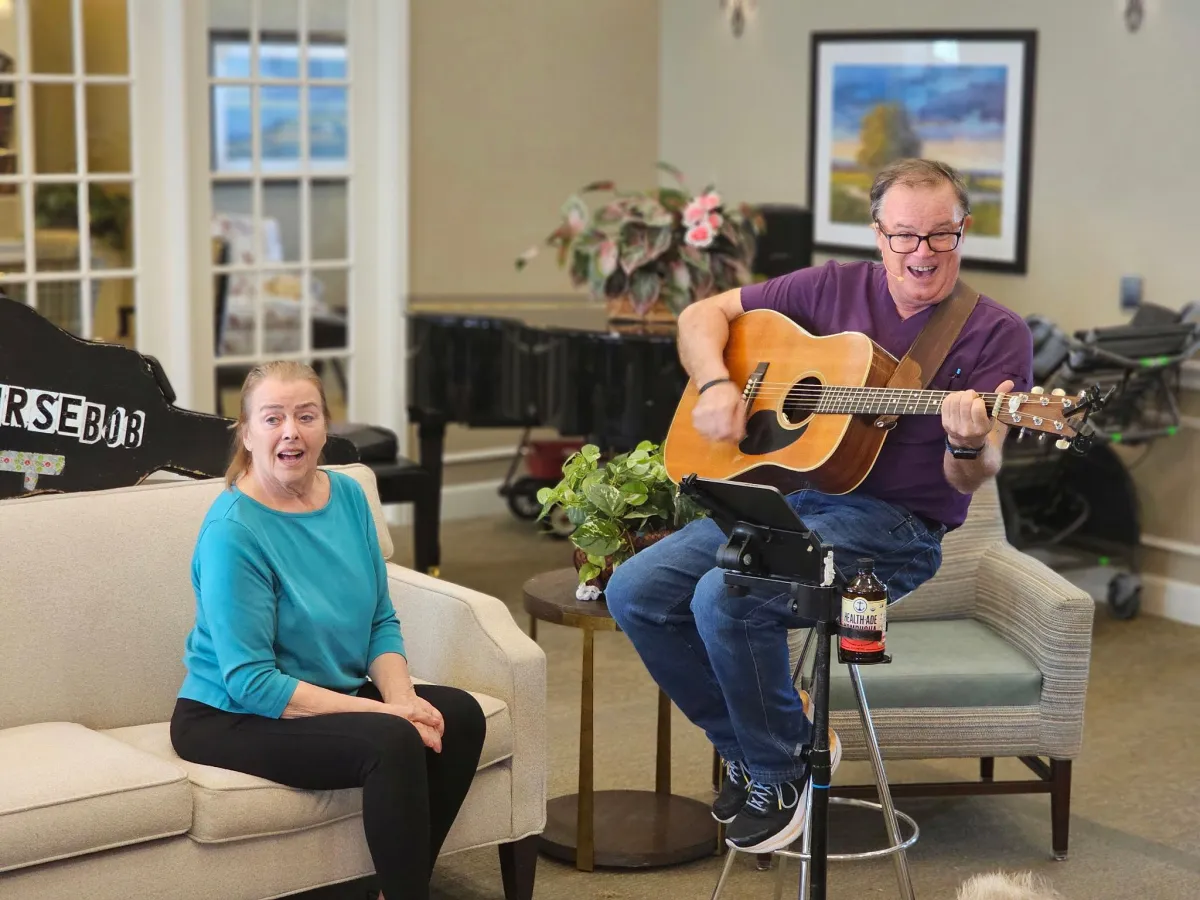
Engaging Residents With Meaningful Social Connections
We also prioritize activities that nurture both physical and mental wellness, from gentle exercise routines to social events that create a sense of community among residents. These carefully crafted programs are designed to boost mood, reduce anxiety, and encourage meaningful interactions, all of which contribute to a fulfilling lifestyle for those facing memory challenges.
Our Commitment To You
Our commitment extends to providing families with guidance and resources to understand memory loss and navigate the journey with confidence. Whether it’s through educational workshops or one-on-one consultations, we’re here to support families every step of the way, ensuring they feel connected and informed about their loved one’s care journey.


Are You Ready To Get Settled In?
Embark on a transformative experience at Gulf Coast Memory Care in Estero, Florida. We're not just a memory care community; we're a sanctuary where the mind, body, and spirit are nurtured. If you're seeking a place where compassion, care, and a deep respect for the human soul are paramount, you've found the right haven.
Check Out Our Blog
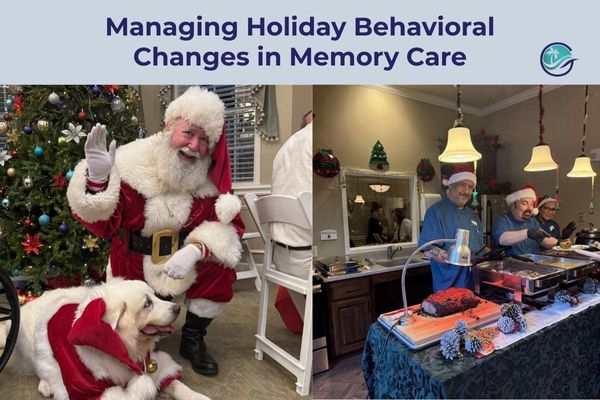
Managing Holiday Behavioral Changes in Memory Care: A December Guide for Families
Why December Triggers Behavioral Changes in Memory Care Residents
The holiday season disrupts the carefully maintained routines that help memory care residents feel safe and grounded. Increased visitors, unfamiliar decorations, changes in staff schedules, and sensory overstimulation from holiday music and lights can overwhelm someone experiencing cognitive decline. Additionally, the emotional weight of "missing" holiday traditions they once enjoyed can trigger grief responses that manifest as agitation, withdrawal, or confusion.
Research shows that residents with dementia are particularly sensitive to environmental changes. The combination of seasonal transitions, altered daily schedules, and heightened family expectations creates a perfect storm for behavioral escalation during December.
Five Actionable Strategies to Minimize Holiday Stress
1. Maintain Core Routines Despite Holiday Disruptions
The single most effective intervention is protecting your loved one's daily routine. While family visits and holiday activities are important, the timing and structure of meals, medications, rest periods, and familiar activities should remain consistent.
Actionable step: Coordinate with the memory care community to establish "quiet hours" during your visits. Schedule family gatherings during times when your loved one is typically most alert and engaged. If your resident usually naps at 2 PM, don't plan a large family dinner at that time. Work with the team to create a written schedule that all visitors can reference.
2. Use Familiar Sensory Cues Instead of New Decorations
Rather than introducing new holiday decorations that may confuse or agitate your loved one, bring items from their personal history—photos from past holidays, familiar music from their era, or scents associated with positive memories (like cinnamon or pine from their favorite holiday traditions).
Actionable step: Ask the memory care community which sensory activities your resident responds to best. If they light up at Christmas carols from the 1950s, create a playlist. If they enjoy the smell of baking, coordinate with staff to have simple baking activities in the facility. Avoid overwhelming sensory experiences like crowded holiday parties or loud environments.
3. Reframe Holiday Visits Around Connection, Not Tradition
Many families approach December visits with expectations about recreating past holiday traditions—decorating cookies together, watching classic movies, or attending holiday services. When residents can't participate as they once did, both family and resident experience disappointment and frustration.
Actionable step: Focus visits on simple, present-moment connection. Sit together quietly, hold hands, listen to music, or look through old photo albums at a slow pace. Short, frequent visits (30-45 minutes) are often more successful than long holiday gatherings. Quality of presence matters far more than quantity of activities.
4. Communicate Holiday Changes Clearly to Staff
Memory care communities experience significant staffing changes during the holidays, and new or temporary staff may not know your loved one's specific triggers or preferences. This gap in communication often leads to increased behavioral incidents.
Actionable step: Create a one-page "Holiday Communication Sheet" for your loved one's care team that includes: their known triggers, what calms them, preferred activities, medication timing, and any specific holiday accommodations you're planning. Update this sheet weekly as the season progresses and new staff rotate in.
5. Prepare for Grief Responses and Validate Emotions
Some residents experience profound sadness during the holidays—grief over lost independence, missing deceased loved ones, or awareness that this holiday season is different from previous years. This emotional response is valid and shouldn't be medicated away or dismissed.
Actionable step: If your loved one expresses sadness or confusion about holiday changes, acknowledge it gently without trying to "fix" it. Simple statements like "I know this is different" or "It's okay to feel sad" can be more therapeutic than cheerful distraction. Allow space for these emotions while maintaining the protective routine structure.
6. Monitor for Medication Adjustments
Some residents require temporary medication adjustments during high-stress periods like the holidays. Increased agitation, sleep disruption, or behavioral changes may warrant a conversation with their healthcare provider about whether short-term support is appropriate.
Actionable step: Track behavioral changes in a simple log during December. Note what time behavioral shifts occur, what preceded them, and how long they lasted. Share this data with the care team and physician. This information helps distinguish between normal holiday stress and changes that might benefit from medical intervention.
Red Flags: When to Seek Additional Support
Watch for these signs that your loved one may need additional support:
Significant increase in aggression or agitation
Refusal to eat or take medications
Extreme withdrawal or unresponsiveness
Sleep disruption lasting more than a few days
Expressions of wanting to harm themselves or others
Contact the community immediately if you notice these changes. They may indicate that current strategies aren't sufficient and professional adjustment is needed.
The Gift of Presence Over Perfection
December in memory care doesn't need to look like the holidays of the past. The greatest gift you can offer your loved one is your calm, consistent presence—not perfect holiday recreations. By protecting their routine, minimizing sensory overwhelm, and focusing on genuine connection, you create the conditions for a peaceful, meaningful December.
The holidays are ultimately about love and connection. In memory care, that looks like showing up, staying present, and accepting your loved one exactly as they are in this moment.

Managing Holiday Behavioral Changes in Memory Care: A December Guide for Families
Why December Triggers Behavioral Changes in Memory Care Residents
The holiday season disrupts the carefully maintained routines that help memory care residents feel safe and grounded. Increased visitors, unfamiliar decorations, changes in staff schedules, and sensory overstimulation from holiday music and lights can overwhelm someone experiencing cognitive decline. Additionally, the emotional weight of "missing" holiday traditions they once enjoyed can trigger grief responses that manifest as agitation, withdrawal, or confusion.
Research shows that residents with dementia are particularly sensitive to environmental changes. The combination of seasonal transitions, altered daily schedules, and heightened family expectations creates a perfect storm for behavioral escalation during December.
Five Actionable Strategies to Minimize Holiday Stress
1. Maintain Core Routines Despite Holiday Disruptions
The single most effective intervention is protecting your loved one's daily routine. While family visits and holiday activities are important, the timing and structure of meals, medications, rest periods, and familiar activities should remain consistent.
Actionable step: Coordinate with the memory care community to establish "quiet hours" during your visits. Schedule family gatherings during times when your loved one is typically most alert and engaged. If your resident usually naps at 2 PM, don't plan a large family dinner at that time. Work with the team to create a written schedule that all visitors can reference.
2. Use Familiar Sensory Cues Instead of New Decorations
Rather than introducing new holiday decorations that may confuse or agitate your loved one, bring items from their personal history—photos from past holidays, familiar music from their era, or scents associated with positive memories (like cinnamon or pine from their favorite holiday traditions).
Actionable step: Ask the memory care community which sensory activities your resident responds to best. If they light up at Christmas carols from the 1950s, create a playlist. If they enjoy the smell of baking, coordinate with staff to have simple baking activities in the facility. Avoid overwhelming sensory experiences like crowded holiday parties or loud environments.
3. Reframe Holiday Visits Around Connection, Not Tradition
Many families approach December visits with expectations about recreating past holiday traditions—decorating cookies together, watching classic movies, or attending holiday services. When residents can't participate as they once did, both family and resident experience disappointment and frustration.
Actionable step: Focus visits on simple, present-moment connection. Sit together quietly, hold hands, listen to music, or look through old photo albums at a slow pace. Short, frequent visits (30-45 minutes) are often more successful than long holiday gatherings. Quality of presence matters far more than quantity of activities.
4. Communicate Holiday Changes Clearly to Staff
Memory care communities experience significant staffing changes during the holidays, and new or temporary staff may not know your loved one's specific triggers or preferences. This gap in communication often leads to increased behavioral incidents.
Actionable step: Create a one-page "Holiday Communication Sheet" for your loved one's care team that includes: their known triggers, what calms them, preferred activities, medication timing, and any specific holiday accommodations you're planning. Update this sheet weekly as the season progresses and new staff rotate in.
5. Prepare for Grief Responses and Validate Emotions
Some residents experience profound sadness during the holidays—grief over lost independence, missing deceased loved ones, or awareness that this holiday season is different from previous years. This emotional response is valid and shouldn't be medicated away or dismissed.
Actionable step: If your loved one expresses sadness or confusion about holiday changes, acknowledge it gently without trying to "fix" it. Simple statements like "I know this is different" or "It's okay to feel sad" can be more therapeutic than cheerful distraction. Allow space for these emotions while maintaining the protective routine structure.
6. Monitor for Medication Adjustments
Some residents require temporary medication adjustments during high-stress periods like the holidays. Increased agitation, sleep disruption, or behavioral changes may warrant a conversation with their healthcare provider about whether short-term support is appropriate.
Actionable step: Track behavioral changes in a simple log during December. Note what time behavioral shifts occur, what preceded them, and how long they lasted. Share this data with the care team and physician. This information helps distinguish between normal holiday stress and changes that might benefit from medical intervention.
Red Flags: When to Seek Additional Support
Watch for these signs that your loved one may need additional support:
Significant increase in aggression or agitation
Refusal to eat or take medications
Extreme withdrawal or unresponsiveness
Sleep disruption lasting more than a few days
Expressions of wanting to harm themselves or others
Contact the community immediately if you notice these changes. They may indicate that current strategies aren't sufficient and professional adjustment is needed.
The Gift of Presence Over Perfection
December in memory care doesn't need to look like the holidays of the past. The greatest gift you can offer your loved one is your calm, consistent presence—not perfect holiday recreations. By protecting their routine, minimizing sensory overwhelm, and focusing on genuine connection, you create the conditions for a peaceful, meaningful December.
The holidays are ultimately about love and connection. In memory care, that looks like showing up, staying present, and accepting your loved one exactly as they are in this moment.
Come Visit Us
We can't wait to hear from you! Fill out our contact form to get started or if you would like to see our community for yourself, schedule a tour here.



Gulf Coast Memory Care
(239) 427-1455
22900 Lyden Dr, Estero, FL 33928
AL# 12921
Privacy Policy | Accessibility Statement | Visitation Policy