
This site is for families seeking memory care services. For employment inquiries, visit our Indeed page.
Memory Care Resources
Enjoy these articles on finding the right care for your loved one

Best Activities in Dementia Care Homes That Truly Engage All
Not all memory care programs are created equal. In a community where memory care is just one small part of a larger operation, activities can sometimes feel generic. But in a community that is 100% focused on memory support, every moment is an opportunity for purposeful connection. Here, the activities dementia care homes provide are designed by specialists who understand how to spark joy, create calm, and engage residents in ways that honor their identity and life story. This guide will walk you through what a day of truly specialized engagement looks like and why this focused approach makes all the difference for your loved one’s happiness.


Key Takeaways
Activities are a core part of care, not just a way to pass time: Thoughtful engagement reduces anxiety, supports cognitive health, and provides a daily sense of purpose and success for your loved one.
Personalization is key to joyful engagement: The most effective activities connect to an individual’s past hobbies and life story, making them feel seen, understood, and successful in the present moment.
Your partnership makes all the difference: Sharing your loved one’s history and joining in on activities helps the care team create truly personal experiences and provides your loved one with invaluable comfort and connection.
What Are Dementia Care Activities?
Dementia care activities are much more than just ways to pass the time. They are thoughtfully designed experiences that bring purpose, joy, and connection to a person’s day. Think of them not as a schedule to be filled, but as opportunities to engage the mind, body, and spirit. The goal is to help your loved one feel happy, useful, and connected to the world around them. From simple, familiar tasks to creative new projects, these activities are a core part of a supportive and vibrant life in a memory care community.
At Gulf Coast Memory Care, we see every day how the right activities can transform a resident’s experience. It’s about tapping into their lifelong interests and skills to create moments of success and belonging. Whether it’s arranging flowers, listening to a favorite song, or working in a "life station" that mimics a familiar hobby, these moments add up to a better quality of life. The power of hobbies in dementia care is profound, helping to preserve identity and create a sense of calm.
How Purposeful Activities Help the Brain
Engaging in purposeful activities provides real cognitive benefits for individuals living with dementia. When a person participates in a familiar hobby or task, it can stimulate neural pathways and awaken positive memories. This kind of engagement helps maintain cognitive function and can even slow the progression of certain symptoms. It’s about finding what resonates with them personally, whether it’s sorting objects, painting, or simple puzzles.
Physical movement is also a critical piece of the puzzle. Gentle exercises, walking, or even gardening help increase blood flow to the brain, which supports overall brain health. These engaging memory care activities also improve balance and strength, reducing the risk of falls and keeping your loved one safer and more independent. The combination of mental and physical stimulation creates a powerful foundation for well-being.
Supporting Emotional Well-being and Connection
Beyond the brain, purposeful activities are essential for emotional health. They provide a sense of accomplishment and purpose, which can significantly boost self-esteem. When a resident successfully completes a task, no matter how small, it reinforces their capabilities and reminds them that they are still a valuable person with skills to offer. This feeling of contribution helps reduce feelings of anxiety, agitation, and frustration that can sometimes accompany memory loss.
These activities also build vital social bonds. Working on a project alongside others or participating in a group discussion creates a sense of community and belonging. It’s in these shared moments that friendships form and residents feel understood. The role of family support in dementia care is also strengthened when you can join in on these activities, creating new, happy memories together and reinforcing that your loved one is in a place where they can thrive.
Physical Activities to Support Health and Mobility
Staying active is about so much more than physical health—it’s about feeling capable, connected, and joyful. For individuals living with dementia, movement provides a powerful way to reduce anxiety, maintain strength, and spark positive feelings. The key is finding activities that are safe, enjoyable, and adapted to each person’s abilities. A supportive environment makes all the difference, turning simple movements into moments of accomplishment and fun.
At Gulf Coast Memory Care, our specialized programming is designed to integrate physical activity into daily life in ways that feel natural and uplifting. We focus on what residentscando, celebrating every step. From a gentle morning stretch to a walk in the courtyard, these activities are foundational to creating more good days. They help maintain mobility, which in turn supports independence and confidence. When a person feels physically secure, they are more likely to engage socially and emotionally, leading to a richer, more fulfilling life.
Gentle Exercise and Chair Yoga
You don’t need intense workouts to see incredible benefits. Gentle, guided movements are perfect for maintaining flexibility, improving balance, and supporting overall wellness. Chair yoga, for example, allows residents to stretch and strengthen their muscles from a safe, seated position. These simple exercises can help improve cognitive function and significantly reduce the risk of falls. More importantly, they provide a calming routine that helps residents feel centered and strong in their own bodies, starting the day with a sense of peace and accomplishment.
Gardening and Outdoor Walks
Connecting with nature is one of the most restorative things we can do. Spending time outdoors, whether it’s tending to a garden or simply taking a leisurely stroll, stimulates the senses and lifts the spirit. Our secure, open courtyard at our community provides a safe and beautiful space for residents to enjoy fresh air and sunshine. Simple tasks like watering plants or planting flowers offer a sense of purpose and a tangible connection to the world. These outdoor activities are easily adapted to different mobility levels, encouraging gentle movement while promoting calm and mental clarity.
Music and Movement Therapy
Music has a remarkable ability to reach people in ways that words sometimes can't, tapping into deep-seated memories and emotions. When you pair familiar melodies with gentle movement, the result is pure joy. Music and movement therapy can include everything from swaying to a classic song to dancing with a partner or playing simple rhythm instruments. This creative expression helps reduce agitation and improve mood. It’s not about perfect choreography; it’s about feeling the rhythm, sharing a smile, and creating a lively, social atmosphere where everyone can participate and feel connected.
Creative Activities to Encourage Self-Expression
Creative expression offers a powerful way for people living with dementia to communicate feelings, connect with memories, and experience moments of joy. It’s not about creating a masterpiece; it’s about the process. When verbal communication becomes challenging, art, music, and hands-on crafts provide an alternative language that can bridge gaps and foster understanding. These activities are essential for reducing anxiety, restoring a sense of identity, and creating new opportunities for connection between residents, caregivers, and family. At Gulf Coast Memory Care, our specialized programming is designed to tap into this creative spark, helping residents feel engaged, seen, and understood. We see firsthand how these moments of self-expression lead to more good days, filled with purpose and a sense of belonging. It’s a core part of how we create a supportive and vibrant atmosphere where every resident can shine, express who they are, and connect with the world around them in meaningful ways. This focus on creativity is fundamental to our belief that life can still be full of color, sound, and joy at every stage.
Art, Painting, and Drawing
Engaging in familiar hobbies like painting or drawing can be incredibly comforting and rewarding. These creative outlets provide a non-verbal way to express emotions and ideas, which often leads to an improved mood and greater social interaction. The focus is on the sensory experience—the feel of a paintbrush, the vibrant colors, the texture of the paper. Simple supplies like watercolors, colored pencils, or modeling clay can be enough to get started. This process helps maintain fine motor skills and provides a wonderful sense of accomplishment, reminding each person of their ability to create something beautiful and uniquely their own.
Music, Singing, and Familiar Melodies
Music has a unique ability to reach parts of the brain that other forms of communication can't. A familiar song from the past can instantly evoke powerful memories and emotions, fostering a deep sense of connection and joy. Our approach to memory care often includes music, whether it’s a group sing-along, listening to a personalized playlist, or enjoying a live performance. Utilizing familiar music and activities stimulates cognitive function and enhances well-being. Even just tapping along to a rhythm can be a stimulating and happy experience that helps soothe agitation and brings people together in a shared, positive moment.
Hands-On Crafts and Sensory Projects
Tactile activities that engage the sense of touch are especially effective for residents living with dementia. Hands-on crafts like arranging flowers, sorting colorful beads, or working with textured fabrics can be calming and grounding. These sensory projects stimulate the mind and encourage creativity without the pressure of a specific outcome. The simple act of keeping the hands busy can reduce restlessness and provide a gentle focus. It’s a wonderful way to promote self-expression and give residents a tangible sense of purpose and success in their day, making them ideal for social interaction.
Cognitive Activities to Keep the Mind Engaged
Cognitive activities are less about "brain training" and more about sparking connection and tapping into the skills and memories that remain. For a person living with dementia, being constantly tested or feeling like they're failing can lead to frustration and withdrawal. Our approach is different. We focus on creating joyful, pressure-free moments that celebrate who the person is right now. It’s about finding what brings a smile to their face, whether it’s remembering the punchline to an old joke or sorting through a box of colorful buttons.
At Gulf Coast Memory Care, our specialized programming is built on this foundation of dignity and understanding. Our team takes the time to learn each resident's unique life story—their career, their passions, their favorite songs—so we can tailor activities that feel familiar and meaningful. This isn't just about keeping busy; it's about reinforcing identity and providing a gentle, consistent way to engage with the world. When activities are designed with care and personal history in mind, they become powerful tools for creating calm, fostering confidence, and making every day a good day.
Memory Games and Puzzles
Familiar games and puzzles are wonderful for stimulating the mind in a low-pressure way. Think of simple jigsaw puzzles with beautiful images, card-matching games, or even sorting objects by color or shape. Research shows that engaging in familiar hobbies provides significant cognitive and emotional benefits. These activities don't just challenge the brain; they also encourage social interaction and create a shared sense of purpose. The key is to choose puzzles and games that align with a person's past interests, making the experience feel more like a beloved pastime than a task.
Reading Aloud and Storytelling
There is incredible comfort in the rhythm of a familiar story or poem. Reading aloud from a favorite book, the newspaper, or even a collection of short stories can be a deeply calming and engaging activity. It’s not about comprehension but about connection. Storytelling is another powerful tool, especially when prompted by looking through old family photo albums. Sharing these memories helps reinforce a person's sense of identity and life story. Using familiar activities like these helpsc reate a comforting environment where residents feel seen, heard, and valued for who they are.
Word Games and Brain Teasers
Simple word games can be a fun way to keep the mind active and engaged. Activities like large-print word searches, gentle crosswords with familiar themes, or finishing common phrases ("A penny saved is a penny...") are excellent choices. The goal is never to test memory but to provide a pleasant and stimulating challenge. These games are effective in enhancing cognitive function and maintaining mental agility in a way that feels playful. Adapting the difficulty to fit the individual ensures the experience is always positive, building confidence and providing a sense of accomplishment.
Social Activities to Foster Connection and Friendship
Connection is a fundamental human need, and it doesn’t fade with memory loss. In fact, meaningful relationships and a sense of belonging become even more essential for emotional well-being. The right social activities create a supportive environment where friendships can form and residents feel seen, heard, and valued, which can help reduce feelings of anxiety or isolation. At Gulf Coast Memory Care, our entire approach is built around fostering these bonds. Our programming is designed to stimulate joy and connection, helping residents build genuine relationships with our care team and with each other. We focus on creating shared experiences that foster a true sense of community, turning neighbors into friends. These moments of togetherness—from laughing over a shared story to working together on a garden project—are what make our community feel like a family. It’s about creating a place where everyone belongs, supported by people who feel like an extension of your own family. We believe that social engagement isn't just an "activity," but a core part of a fulfilling day, woven into the fabric of life here. This focus on connection is a key part of what makes a dedicated memory care environment so special.
Group Conversations and Reminiscence
Sharing stories is one of the most powerful ways we connect. We often gather residents for group conversations centered on reminiscence, which involves looking back on positive life experiences. Using old photos, familiar music, or treasured objects, our team helps spark memories and encourage meaningful dialogue. A vintage postcard might lead to a conversation about family vacations, or a classic song could have everyone tapping their feet and sharing memories of their youth. These sessions aren't just about remembering the past; they're about validating a person's life story and building bonds in the present.
Family Visits and Special Events
Your family is an essential part of your loved one's life, and we view you as true partners in care. We encourage frequent visits and host special events where families can create new memories together. Whether it's a seasonal cookout in our courtyard, a Mother's Day brunch, or a simple afternoon visit, your presence brings immense comfort and joy. These shared experiences strengthen family bonds and reassure your loved one that they are still deeply connected to the people who matter most. We invite you to schedule a visit to see how our community welcomes and celebrates family.
Holiday and Seasonal Celebrations
Holidays and seasonal events bring a special energy and rhythm to the year. Celebrating these occasions helps create a festive, joyful atmosphere that everyone can enjoy. From decorating for the holidays to enjoying a special Thanksgiving meal together, these traditions foster a wonderful sense of community. We plan themed activities, music, and food that evoke positive feelings and happy memories. These celebrations provide opportunities for residents to socialize, engage their senses, and feel part of a vibrant, caring community that honors the traditions they’ve cherished throughout their lives.
How Activities Create More Good Days
Activities in a memory care setting are so much more than a way to fill the day. They are the building blocks of a good day. When thoughtfully planned and personalized, they become powerful tools that support emotional well-being, create calm, and foster a sense of purpose. The right engagement can shift the entire mood of a moment, turning confusion into clarity and isolation into connection. It’s about creating an environment where your loved one can continue to experience joy, feel valued, and live with dignity.
Creating Calm and Reducing Anxious Moments
For someone living with dementia, the world can sometimes feel overwhelming, leading to anxiety or agitation. Purposeful activities serve as a gentle anchor to the present moment. According to the NHS, simple and engaging activities can help people with dementia feel happier and more motivated. The key is focusing on sensory experiences that soothe and ground them—like listening to familiar music, kneading soft dough, or smelling fresh flowers in a garden. At Gulf Coast Memory Care, our entire community is designed to be a calm and engaging place, where activities are used to reduce stress and create a peaceful atmosphere, helping residents feel safe and secure.
Fostering Independence and Dignity
Everyone deserves to feel a sense of purpose and accomplishment. Activities that tap into lifelong skills and past hobbies are a wonderful way to foster independence. As experts at A Place for Mom note, personalized activities should be chosen based on what a person enjoys and can still do. This could mean helping to fold laundry, arranging flowers for a table, or sorting objects in a "life skills station." These familiar tasks aren't chores; they are opportunities to contribute and feel capable. This approach respects your loved one's identity and reinforces their dignity, reminding them of the skills and strengths they still possess.
Sparking Joy and Connection
Connection is at the heart of a happy life, and shared activities are the perfect way to nurture it. Familiar hobbies and music are especially powerful, often unlocking positive emotions and sparking cherished memories. As we’ve seen in our own community, using familiar music and activities can brighten a person’s entire day and strengthen social bonds. Whether it’s singing along to a classic song, working on a puzzle together, or sharing stories, these moments create genuine joy. They build friendships between residents and deepen the relationship with our care team, turning a community into a family.
How to Choose the Right Activities
Finding the right activities isn’t about filling a schedule; it’s about creating moments of connection, purpose, and joy. The most successful activities are never one-size-fits-all. Instead, they are thoughtfully chosen to reflect who your loved one is as a person and are flexible enough to meet them where they are on any given day. A person-centered approach ensures that every activity offers a chance to feel engaged, valued, and understood. This focus on the individual is at the heart of creating a supportive and enriching environment within our community.
Tailor Activities to Their Unique Personality
The most meaningful activities connect with a person’s life story. Think about their past hobbies, career, and passions. Did they love gardening, listening to classical music, or baking? Activities should be personal and chosen based on what someone enjoys and can still do. A former painter might find comfort in holding a brush, even if they just make simple strokes. Someone who loved to cook might enjoy the sensory experience of smelling familiar spices. Sharing these personal details with a care team helps create a plan that feels familiar and brings genuine happiness, making daily life more engaging and fulfilling.
Adapt Activities for Each Stage of Memory Loss
As your loved one’s journey with dementia progresses, their abilities and interests may change. It’s important to adapt activities to match their current stage. In the earlier stages, they might enjoy puzzles, card games, or social events. Later on, activities can be simplified to focus more on the senses. The National Health Service (NHS) suggests that playing familiar music, providing soft fabrics to touch, or offering a gentle hand massage can be incredibly calming and connecting. The key is to focus on enjoyment, not achievement. A flexible approach ensures that activities remain a source of comfort and positive stimulation, no matter the stage.
How to Know an Activity is Working
Success isn’t measured by a finished product but by the emotional response it creates. Is your loved one smiling, humming, or tapping their feet? Are they calm and engaged in the moment? These are the signs that an activity is working. According to the Alzheimer's Association, spending this time together can be meaningful and fun for everyone involved. The goal is to foster positive feelings, reduce anxiety, and create opportunities for connection. When an activity brings a sense of purpose or a moment of joy, you know you’ve found something that truly supports their well-being and enhances their quality of life.
How Your Family Can Be Part of the Fun
Your role in your loved one’s life doesn’t stop when they move into a memory care community—it simply changes. At Gulf Coast Memory Care, we see families as essential partners in creating a joyful and supportive environment. Your involvement brings comfort, familiarity, and a deep sense of connection that makes our community feel like a true home.
When you share your insights and participate in daily life, you help us provide the most personalized and compassionate care possible. You’re not just a visitor; you’re part of our team. Here are a few meaningful ways you can stay involved and be a part of the fun.
Share Their Life Story and Hobbies
No one knows your loved one better than you do. Sharing their unique history, passions, and preferences helps our caregivers connect with them on a personal level. When we understand their past career, favorite music, or cherished hobbies, we can tailor activities to their specific interests. This simple act of sharing transforms care from a routine into a relationship. Consider creating a memory book with photos and stories that our team can look through with your loved one. This helps ground them in their identity and sparks wonderful conversations, making their memory care experience feel truly their own.
Join in on Activities and Events
Your presence can light up your loved one’s day. We encourage you to join us for the activities and events that fill our community with life. Whether it’s singing along during a music session, helping with a simple craft, or attending a seasonal celebration, doing things together creates new, happy memories. Participating in daily life at Our Community does more than just provide a fun afternoon; it offers powerful emotional comfort and reassurance. Seeing a familiar, loving face helps your loved one feel safe, secure, and connected. It also gives you a beautiful opportunity to see them engage, smile, and find moments of joy.
Partner with the Care Team
We believe the best care happens when we work together. You are a vital part of the care team, offering insights that no one else can. By sharing observations about what soothes your loved one or what might cause them distress, you help us create a more effective and compassionate care plan. Regular communication ensures we are always adapting to their needs. We invite you to schedule a tour to meet our caregivers and see how this partnership works from day one. Recognizing family members as partners is the foundation of person-centered care and is key to improving your loved one’s quality of life.
What a Day of Engaging Activities Looks Like
A structured day provides comfort and predictability, which is incredibly reassuring for someone living with dementia. At Gulf Coast Memory Care, our daily rhythm isn’t about a rigid schedule; it’s about creating a flow of positive moments that reduce anxiety and spark joy. The day is thoughtfully planned with a blend of social time, quiet reflection, and purposeful engagement, always with the flexibility to adapt to each resident’s needs and mood.
Our approach to memory care is built around this balance. We know that the right activity at the right time can turn a challenging moment into a peaceful one. From the gentle start of the morning to the calming wind-down in the evening, every part of the day is an opportunity to connect, feel a sense of accomplishment, and enjoy life. This structure helps create more good days, filled with familiar routines and moments of genuine happiness.
Calm Morning Routines
Mornings are all about starting the day with a sense of peace and gentle energy. Instead of a rushed start, residents can ease into their day with activities that calm the mind and awaken the body. This might look like a gentle chair yoga session to stretch muscles, a quiet walk through our secure courtyard to enjoy the fresh air, or simply sipping coffee while chatting with friends.
The goal is to create a warm, social atmosphere that feels like home. We find that starting the day with positive social interaction and light movement helps residents feel more engaged and motivated. This predictable, soothing routine sets a positive tone for the rest of the day, fostering a sense of security and well-being within our community.
Engaging Afternoon Programs
Afternoons are often the most vibrant part of the day, filled with programs designed to stimulate the mind and connect residents with their passions. This is where personalization truly shines. We focus on familiar hobbies and interests that bring a sense of purpose and identity, whether it’s painting, gardening, or participating in a music therapy session.
Activities are always chosen based on what each person enjoys and can do successfully, ensuring they feel capable and proud. For some, working in a “life skills station” that mimics a past job or hobby provides immense satisfaction. For others, a lively group game or sing-along sparks connection and laughter. These afternoon hours are dedicated to creating moments of success and pure enjoyment.
Relaxing Evening Activities
As the day winds down, our focus shifts to creating a tranquil environment that promotes rest and relaxation. The evening is a time for soothing activities that calm the senses and prepare residents for a peaceful night’s sleep. This can be as simple as listening to a personalized playlist of favorite songs, which can be a powerful tool for comfort and positive reminiscence.
Other calming activities include gentle hand massages with lotion, looking through treasured photo albums, or listening to a team member read a story aloud. These sensory experiences are incredibly helpful in reducing restlessness and anxiety. By ending the day with quiet, comforting rituals, we help ensure residents feel safe, secure, and ready for a restful night.
Find a Community That Prioritizes Joyful Engagement
When you’re looking for the right memory care community, the environment and the people are just as important as the activities calendar. A place that truly understands memory support knows that engagement is about sparking connection and joy, not just filling time. As you explore your options, paying close attention to a community’s approach to daily life will tell you everything you need to know about their philosophy of care. This focus on daily joy is what separates adequate care from exceptional care, creating more good days and peaceful moments for your loved one.
Key Questions to Ask on Your Tour
When you schedule a tour, you have a valuable opportunity to see how a community brings its mission to life. Go beyond the printed activities calendar and ask specific questions that get to the heart of their approach. Try asking, “How are activities tailored to my mom’s personality and past hobbies?” or “How do you encourage residents to connect and build friendships?” A great community will have clear answers. They should be able to explain how they create meaningful activities that adapt to each person’s abilities and how resident feedback shapes their programming. This shows they are committed to creating a vibrant, person-centered environment where your loved one can thrive.
The Difference a 100% Memory Care Focus Makes
Many assisted living communities offer memory care as a secondary service, but a community that is 100% memory care focused approaches engagement differently. Because it’s their entire focus, the team is specially trained to design programs that support cognitive health and emotional well-being. The goal isn't just the outcome of an activity; it's the feeling of connection and success it creates. At our community, every program—from music therapy to sensory gardening—is designed to stimulate joy and create more good moments. This specialized approach ensures that daily life is filled with purpose and comfort, helping residents feel known, safe, and engaged in a world that feels calm and supportive.
Related Articles
7 Memory Care Activities That Stimulate Cognitive Function in Seniors
The Power of Hobbies in Dementia Care: Life Stations at GCMC
Memory Care and Physical Health: How Exercise Can Help Alzheimer’s Patients
Finding Purpose in Familiar Tasks: How Life Stations Bring Comfort and Joy to Memory Care
Exercise for Seniors: Safe and Effective Ways to Stay Active and Healthy
Frequently Asked Questions
What if my loved one is very private and doesn't enjoy group activities?
This is a very common concern, and our approach is always centered on the individual. We never force participation. Instead, we see activities as invitations. Our team gets to know each resident’s personality and comfort level, offering gentle encouragement and finding alternatives that suit them. This might mean engaging in a quiet one-on-one activity, like looking through a photo album or working on a simple puzzle together, rather than joining a larger group. The goal is always connection and comfort, not a crowded schedule.
How do you make sure an activity isn't too frustrating for someone?
Success is measured by the feeling an activity creates, not the final product. Our experienced care team is trained to adapt activities in the moment to match each person’s abilities. If a puzzle seems too complex, we might focus on simply sorting the colorful pieces. If painting becomes difficult, we can shift to a more sensory experience with textured materials. It’s all about creating moments of joy and accomplishment, and we are always ready to adjust our approach to ensure the experience is positive and frustration-free.
Are these activities really just for fun, or do they have real benefits?
While fun is definitely a goal, these activities are designed with a much deeper purpose. Purposeful engagement has proven benefits for cognitive, emotional, and physical well-being. Mentally, it helps stimulate the mind and tap into positive memories. Emotionally, it provides a sense of purpose and reduces feelings of anxiety. Physically, gentle movement supports mobility and strength. Think of them as a core part of a holistic approach to care that leads to more good days and a better quality of life.
My loved one has physical limitations. How can they still participate?
Many of our most popular activities can be adapted for any level of mobility. We focus on what a personcando. This includes gentle chair yoga, seated gardening with raised planter beds, music therapy where residents can play small instruments or simply tap their feet, and hands-on sensory projects that can be enjoyed from a comfortable chair. Engagement is about connecting the mind and spirit, and we ensure everyone has an opportunity to participate in a way that feels safe and enjoyable for them.
How do you personalize activities for someone you've just met?
This is where our partnership with you is so important. When a new resident joins our community, we spend time learning their unique life story from them and their family. We want to know about their career, their passions, their favorite songs, and their cherished hobbies. This information is the foundation of our planning. By understanding who they are, we can tailor activities that feel familiar and meaningful, helping to reinforce their identity and create genuine moments of connection from day one.


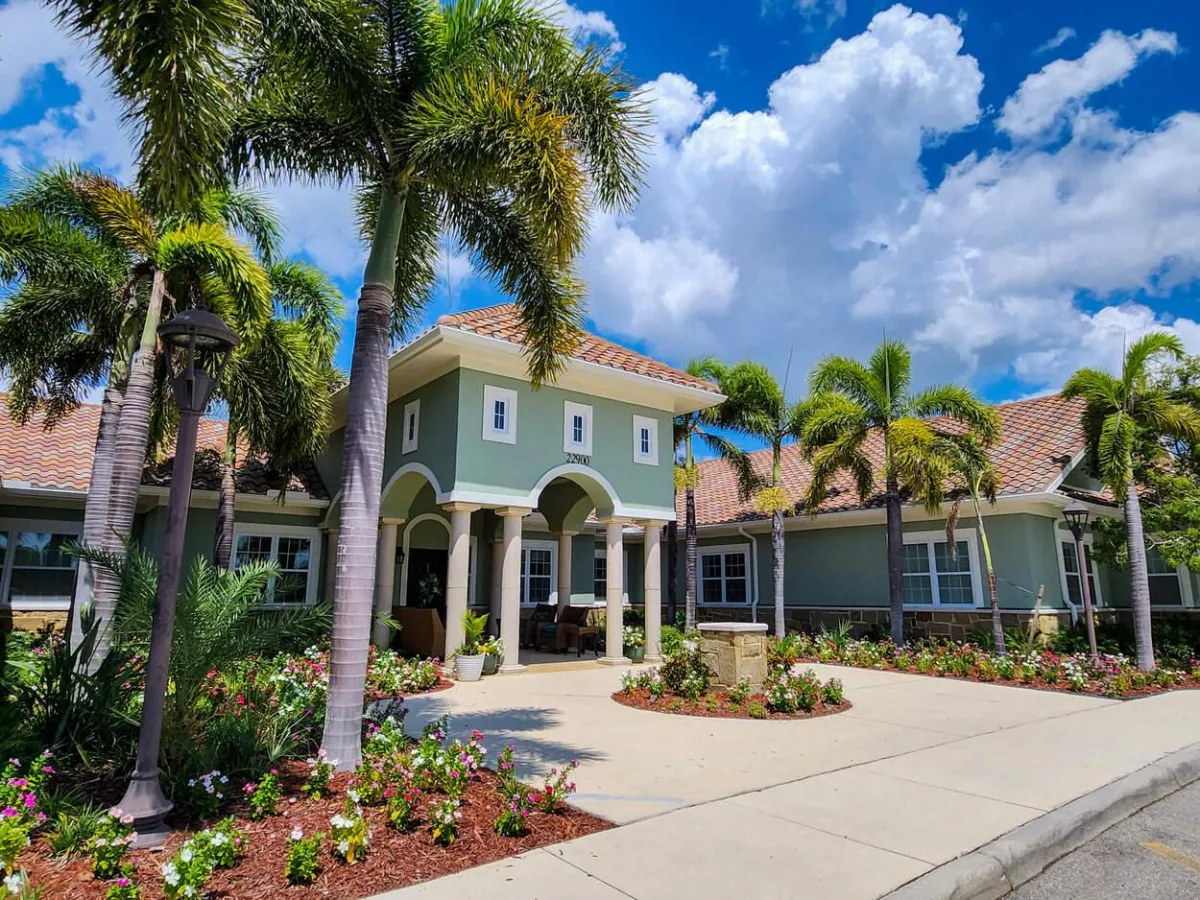


Get In Touch
Looking for more information about Gulf Coast Memory Care? Complete the following form and someone from our office will follow up with you shortly.
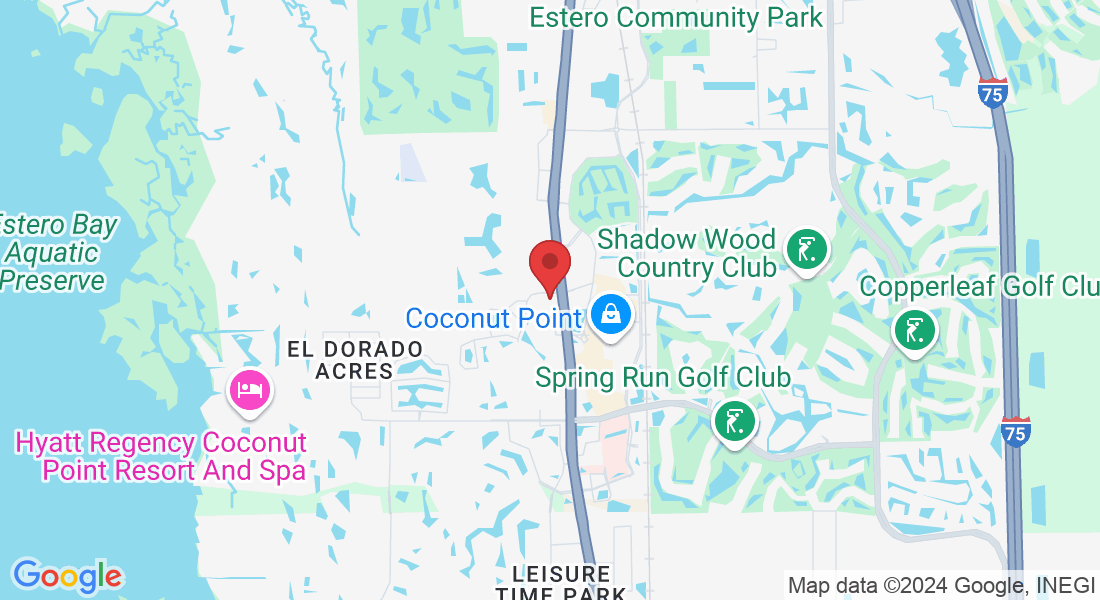

Gulf Coast Memory Care
(239) 427-1455
22900 Lyden Dr, Estero, FL 33928
AL# 12921