
This site is for families seeking memory care services. For employment inquiries, visit our Indeed page.
Memory Care Resources
Enjoy these articles on finding the right care for your loved one

Can Dementia Symptoms Be Caused by Something Reversible?
When a parent begins forgetting names, getting confused in familiar places, or struggling to follow a conversation, the mind goes straight to Alzheimer's disease. It is the most natural and most frightening conclusion to reach. But it is not always the right one.
A range of medical conditions can produce symptoms that look, feel, and behave exactly like dementia. The difference is that when the underlying cause is identified and treated, those symptoms can improve significantly, and in some cases, resolve entirely.
According to research published in the journal Alzheimer's & Dementia, an estimated 7.2 million Americans age 65 and older are currently living with Alzheimer's dementia. But clinicians note that a host of treatable conditions, from vitamin deficiency to urinary tract infection, can produce cognitive difficulties that are fully reversible with proper treatment. Getting an accurate diagnosis early is what determines the outcome.
What Causes Reversible Dementia Symptoms?
Medical literature commonly identifies several conditions that can mimic dementia closely enough to be misdiagnosed. These include:
Vitamin B12 Deficiency
The brain depends on vitamin B12 to function. When levels drop, which is common in older adults, particularly those with absorption issues, memory problems, confusion, and difficulty concentrating can develop gradually. These symptoms can closely resemble early Alzheimer's disease. The good news is that B12 deficiency is identified through a simple blood test and often responds well to supplementation when caught early.
Hypothyroidism
An underactive thyroid slows nearly every system in the body, including brain function. Memory impairment, slowed thinking, depression, and difficulty concentrating are all recognized symptoms of hypothyroidism, and all are also symptoms associated with dementia. Research published in the American Nurse Journal notes that clinicians can misdiagnose hypothyroidism as an irreversible form of dementia. Thyroid function is measured with a straightforward blood test, and thyroid replacement therapy can reverse most cognitive and behavioral changes when treatment begins early.
Depression
When depression causes cognitive symptoms – poor memory, inability to concentrate, withdrawal, and disorientation – clinicians refer to it as pseudodementia. According to the same the American Nurse Journal research, symptoms of depression occur in 40 to 50 percent of people already living with Alzheimer's disease or a related dementia, making it particularly difficult to distinguish. In older adults without a dementia diagnosis, depression is one of the most commonly overlooked causes of apparent cognitive decline, and it responds well to treatment.
Urinary Tract Infections
A UTI causing confusion or delirium in an older adult is one of the most frequently misread situations in family caregiving. Because UTIs in older adults often present without the classic symptoms of pain or urgency, the sudden onset of disorientation, aggression, or memory problems can be alarming and easy to mistake for a rapid progression of dementia. Treatment with antibiotics typically resolves these symptoms.
Medication Side Effects
Older adults often take multiple medications to manage chronic conditions. Drug interactions, or medications that do not metabolize as expected, can cause memory impairment, confusion, and behavioral changes. A thorough medication review with a physician, including all over-the-counter drugs and supplements, is an important early step when dementia-like symptoms appear suddenly or recently after a medication change.
Normal Pressure Hydrocephalus
Normal pressure hydrocephalus (NPH) is a build-up of cerebrospinal fluid in the brain that can cause memory loss, difficulty walking, and urinary incontinence. It is frequently mistaken for Alzheimer's or Parkinson's disease. When diagnosed early, surgical treatment can reverse or significantly reduce symptoms.
Why Getting an Accurate Diagnosis Matters
According to Diagnosis and Management of Dementia: A Review, all patients presenting with dementia or cognitive symptoms should be evaluated with a range of laboratory tests and, where appropriate, brain imaging, precisely because some of the conditions causing those symptoms are treatable.
Receiving a dementia diagnosis without that evaluation means potentially living with the consequences of an undiagnosed thyroid condition, a vitamin deficiency, or a medication interaction for months or years unnecessarily.
The Alzheimer's Association and leading geriatric specialists consistently recommend that any new cognitive changes be evaluated promptly by a primary care physician. Basic blood work can rule out nutritional deficiencies, thyroid dysfunction, and infection. If symptoms are more complex, a full neurological workup can identify structural causes such as NPH.
When Symptoms Are Not Reversible
It is equally important to be honest: not every case of memory loss or cognitive decline has a reversible cause. Alzheimer's disease, vascular dementia, Lewy body dementia, and frontotemporal dementia are progressive conditions that cannot be reversed. What early evaluation offers is clarity: either a treatable cause is found and addressed or a true dementia diagnosis is confirmed, allowing families to plan thoughtfully and access the right level of care.
For families in Bonita Springs, Bonita Bay, Pelican Landing, Whiskey Creek, FL, and Cypress Lake, FL, who are noticing changes in a loved one, the most important step is not to wait and wonder. Speak to a physician. Rule out what can be ruled out. And if a dementia diagnosis is confirmed, know that specialized, compassionate care is available close to home.
At Gulf Coast Memory Care, we support families through every part of this journey, from the earliest questions to long-term residential care. Our team is available seven days a week to talk through what you are seeing and help you understand your options.
Call (239) 427-1455 or schedule a conversation with our care team.
Frequently Asked Questions
Can dementia symptoms really go away with treatment?
In some cases, yes. When cognitive symptoms are caused by a treatable condition, such as a vitamin B12 deficiency, hypothyroidism, depression, a urinary tract infection, or a medication interaction, addressing the underlying cause can significantly improve or fully resolve the symptoms. This is why a thorough medical evaluation is essential before any dementia diagnosis is accepted as final.
How do doctors tell the difference between reversible and irreversible dementia?
A combination of blood tests, physical examination, cognitive screening, and sometimes brain imaging allows physicians to identify or rule out treatable causes of cognitive decline. Conditions like thyroid dysfunction and vitamin deficiencies are identified through routine blood work. Normal pressure hydrocephalus may require a brain scan. Depression and medication interactions are assessed through clinical interview and medication review. If no reversible cause is found, further specialist evaluation can confirm whether a progressive dementia such as Alzheimer's disease is present.
What should I do if I notice sudden changes in my loved one's memory or behavior?
Sudden changes, particularly those that appear over hours or days, should be treated as a medical concern and evaluated promptly. A rapid onset of confusion, agitation, or disorientation in an older adult can signal a urinary tract infection, medication reaction, or other acute condition that requires immediate attention. Gradual changes over weeks or months also warrant evaluation, as early identification of either a reversible cause or a progressive dementia leads to significantly better outcomes. Do not wait for symptoms to worsen before speaking to a doctor.





Get In Touch
Looking for more information about Gulf Coast Memory Care? Complete the following form and someone from our office will follow up with you shortly.

Gulf Coast Memory Care
(239) 427-1455
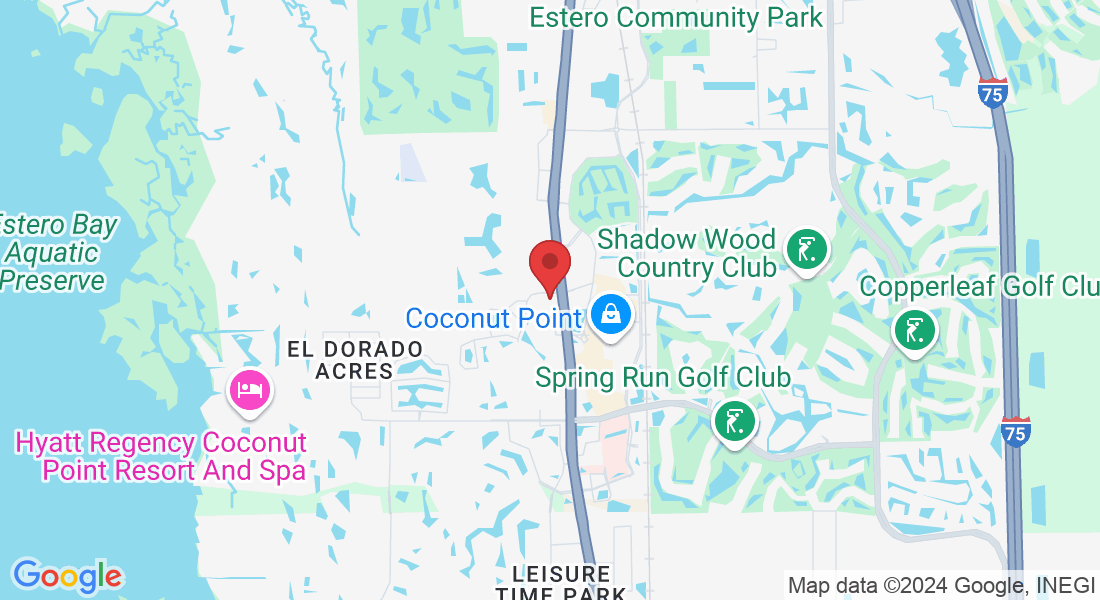
22900 Lyden Dr, Estero, FL 33928
AL# 12921