
This site is for families seeking memory care services. For employment inquiries, visit our Indeed page.
Memory Care Resources
Enjoy these articles on finding the right care for your loved one

Can Music Trigger Long-Term Memories in Dementia?
Yes. Music can trigger long-term memories in dementia patients, even in advanced stages when most other memories have faded. This happens because Alzheimer's disease and related dementias damage the brain regions that store musical memory last.
For families watching a loved one lose pieces of themselves to dementia, this is one of the most hopeful, well-documented facts in memory care.
Why Music Behaves Differently Than Other Memories
Most memories rely heavily on the hippocampus, the brain's short-term memory processing center. Dementia damages this region early, which is why recent events are often the first to disappear.
Musical memory works through a different network. It draws on regions like the anterior cingulate and the pre-supplementary motor area, tucked deep in the brain and relatively protected from the plaques and tangles that define Alzheimer's disease.
This is why a person who cannot recall their grandchild's name might still sing every word of a song from 1962.
What the Research Actually Shows
Study 1: Why Musical Memories Can Survive Alzheimer’s
A 2015 study published in Brain explored why musical memories can remain intact in people with Alzheimer’s disease. Researchers found that familiar music activates brain regions that are relatively resistant to Alzheimer’s-related damage.
This may explain why someone can struggle with conversation but still recognize and emotionally respond to a familiar song. Other research on music-evoked autobiographical memories also found that music can trigger personal memories in people with Alzheimer’s, even when their overall memory has declined.
Study 2: Music May Reach Disease-Resistant Brain Regions
A 2022 review in theAnnals of the New York Academy of Sciences examined why musical memory remains strong in Alzheimer’s disease. It highlighted two brain regions involved in recognizing familiar music: The caudal anterior cingulate cortex and ventral pre-supplementary motor area.
These areas tend to remain relatively protected as Alzheimer’s progresses. The review also found that music therapy may improve mood, reduce anxiety and depression, and support autobiographical recall and verbal fluency.
Why Music Triggers Autobiographical Memories
It Bypasses Damaged Pathways
Instead of relying on the hippocampus alone, musical memory taps into a separate, more resilient network.
It's Deeply Tied to Emotion
Music activates the brain's emotional centers, and emotionally charged experiences are encoded more strongly in memory to begin with.
It's Procedural, Not Just Factual
Singing along or tapping a rhythm draws on procedural memory, a type of memory that often survives dementia far longer than factual recall.
It's Familiar and Repetitive by Nature
Songs heard hundreds of times over a lifetime are stored differently than a single conversation, making them more resistant to decay.
The Emotional Impact of Music on Dementia Patients
Families and caregivers frequently describe the same moment: a resident who hasn't spoken in days suddenly sings every lyric to a song from their youth.
Research on music-evoked autobiographical memories in Alzheimer's disease has found something called a positivity effect. Memories triggered by music tend to be recalled as more vivid and more positive than memories triggered other ways.
This matters enormously in dementia care. A moment of joy, recognition, or connection can meaningfully improve a resident's mood and reduce agitation, even if the memory itself fades again minutes later.
What Kind of Music Works Best
Not all music has the same effect. The most powerful trigger is personally meaningful music, not simply popular songs from a person's era.
Music from adolescence and early adulthood tends to be the most deeply encoded, since this period closely ties to identity formation.
Songs connected to major life events like a wedding, a first dance, or a family tradition often carry stronger emotional weight.
Familiar melodies over lyrics alone can matter more than the words, especially in later stages of dementia.
A person's individual taste, not a generic playlist, produces the strongest and most consistent response.
This is why personalized music programs consistently outperform generic background music in dementia care settings.
How Music Is Used in Memory Care Today
Music therapy has become one of the most respected non-pharmacological tools in dementia care. Structured programs use personalized playlists, live music sessions, singing groups, and rhythm-based activities to support cognitive engagement and emotional well-being.
The benefits extend beyond a single emotional moment. Consistent music engagement has been associated with:
●Reduced anxiety and agitation
●Improved mood and social engagement
●Increased verbal communication in some patients
●A greater sense of identity and self, even in advanced stages
For families, this approach also offers a meaningful way to connect. Singing a familiar song together can create a moment of genuine presence, even when conversation has become difficult.
Does This Work at Every Stage of Dementia?
Musical memory tends to remain accessible longer than most other cognitive functions, but the response can look different depending on the stage.
In earlier stages, music might trigger detailed personal stories and clear conversation. In more advanced stages, the response may be less verbal, expressed instead through humming, tapping, swaying, or visible emotional shifts like a smile or tears.
Even when a person cannot explain why a song matters, the emotional and physiological response is often still there.
How Gulf Coast Memory Care Uses Music with Intention
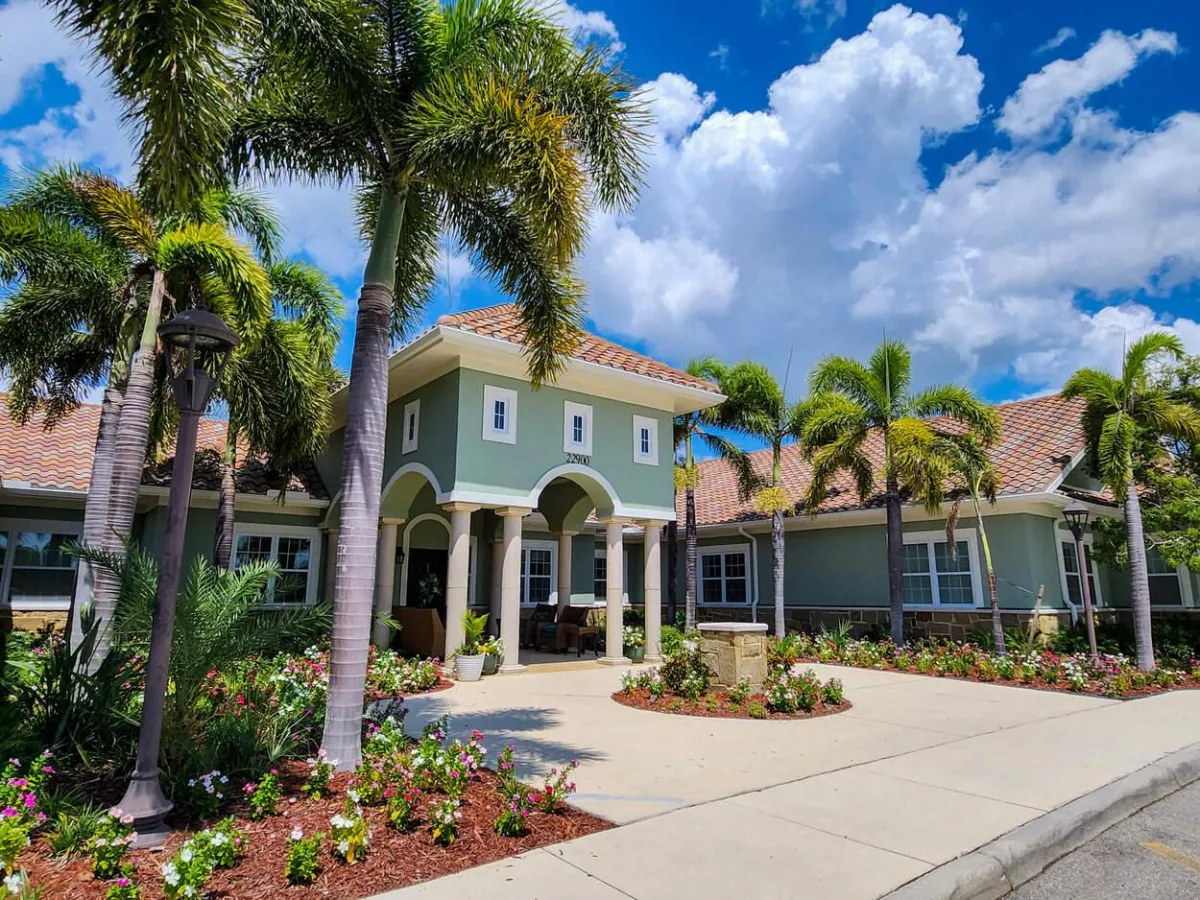
This is exactly why music plays a central role in how we care for residents at Gulf Coast Memory Care in Estero, FL.
As a community that is 100% memory care focused, our Programming is built specifically around what still reaches residents, and music is one of the most powerful tools we have.
Through our Rhythm of Life program, music is woven into daily life across the emotional, social, and cognitive dimensions of wellness, not treated as a one-off activity.
Our people take the time to learn each resident's personal history and musical background, because a generic playlist cannot produce the same result as a song that meant something to that individual specifically.
Our memory care in Estero, FL, is designed to support these moments too, with common areas built for group singing, quiet corners for one-on-one listening, and an environment calm enough for a genuine emotional response to actually surface.
A Small Song, A Real Connection
Music offers something dementia often takes away: a direct line to who a person still is beneath the disease. For families, that moment of a familiar song sparking recognition can be one of the most meaningful parts of the entire caregiving journey.
If you'd like to see how music and personalized programming come together in daily life at Gulf Coast Memory Care, we'd love to show you in person.
Frequently Asked Questions
Can music really bring back memories in late-stage dementia?
Yes. Musical memory is often preserved even in advanced Alzheimer's disease, since it relies on brain networks that are more resistant to the damage caused by dementia than regions used for everyday memory.
Does the type of music matter?
Personally meaningful music, especially songs from adolescence and early adulthood, tends to trigger a stronger response than generic or unfamiliar music, regardless of genre or popularity.
Can music help with dementia-related agitation?
Yes. Familiar, calming music is widely used in memory care to reduce anxiety and agitation, often working as effectively as other non-medication approaches.




Get In Touch
Looking for more information about Gulf Coast Memory Care? Complete the following form and someone from our office will follow up with you shortly.

Gulf Coast Memory Care
(239) 427-1455
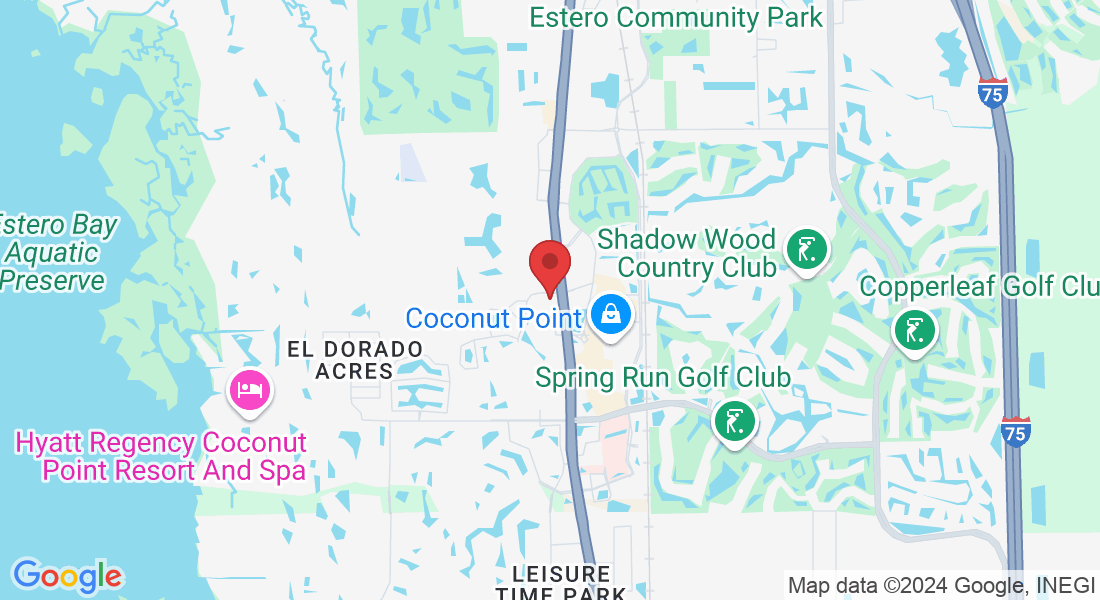
22900 Lyden Dr, Estero, FL 33928
AL# 12921