
This site is for families seeking memory care services. For employment inquiries, visit our Indeed page.
Memory Care Resources
Enjoy these articles on finding the right care for your loved one

How to Compare Two Memory Care Communities Beyond Price
When you are looking at two memory care communities side by side, price is usually the first number you see. But price alone will never tell you which place is truly better for your loved one.
Families who are already past the "how much does it cost" stage often hit a new wall. Both communities look nice. Both have good reviews. Both are within budget. So how do you actually choose?
If you are comparing memory care communities in Estero, Florida, this guide will help you look at the things that matter most and the things that are easy to miss during a tour.
Look at the Staff Before You Look at the Rooms
The building does not take care of your loved one. The people do.
When you visit memory care communities in Estero, Florida, pay close attention to how staff behave when they think no one is watching.
Do they greet residents by name? Do they slow down when a resident is confused? Do they seem calm and patient, or rushed and distracted?
Ask about staff training in memory care communities directly. Find out how many hours of dementia-specific training each caregiver receives before working with residents.
Ask whether training is ongoing or just a one-time orientation. Communities that invest in continuous staff education tend to provide much better day-to-day care.
Also ask about staff-to-resident ratios during the day and overnight. A lower ratio means more personal attention for your loved one.
Ask About Personalized Care Plans for Dementia Patients
A care plan is not just a document. It is the foundation of how your loved one spends every single day.
The best memory care communities in Estero, Florida, build care plans around the individual, not a general template. A good care plan includes your loved one's personal history, daily preferences, sleep patterns, food likes and dislikes, hobbies, and behavioral tendencies.
Ask both communities these questions. How is the care plan created? Who is involved in building it? How often is it updated? Can family members contribute to it?
If a community hands you a one-page generic form and calls it a care plan, that tells you something.
If they sit down with you, ask thoughtful questions about your loved one's life story, and explain how they will use that information daily that tells you something very different.
Compare Safety Features in Memory Care
Safety in memory care goes beyond locked doors.
Ask about wandering prevention systems, fall detection, secure outdoor spaces, and how the community handles nighttime supervision. Ask what happens during a medical emergency and how quickly staff can respond.
Activities for Alzheimer's residents also connect directly to safety. A resident who is engaged, stimulated, and following a predictable routine is far less likely to become anxious or wander. A bored or understimulated resident is more at risk.
When comparing two communities, ask to see a full weekly activity calendar. Look for variety, structure, and programming designed for different stages of dementia. Generic group activities that do not account for cognitive level are a red flag.
Check How They Communicate with Families
You will not be there every hour of every day. So how will you stay informed?
Ask each community how they communicate updates to families. Do they call proactively when something changes? Do they have a family portal? Can you reach a caregiver or supervisor directly when you have a concern?
Memory care services in Estero, Florida, should include the family as a genuine part of the care team, not as visitors who are tolerated. If a community makes you feel like communication is a burden, pay attention to that feeling.
The Small Details Often Reveal the Most
Here are a few things to notice during your tour that most families overlook.
Does the community smell clean without being overpoweringly chemical? Are common areas tidy but also lived-in and warm? Do residents look well groomed and comfortable? Is there noise and activity, or is it eerily quiet?
Sit in the common area for ten minutes without being guided. Just observe. What you see in those ten minutes can tell you more than a polished presentation ever will.
At Gulf Coast Memory Care, families are always welcome to visit, ask hard questions, and take their time deciding. That openness is itself a sign of confidence in the care being provided.
Price Is a Factor. It Should Not Be the Only One.
The best memory care communities in Estero, Florida are not always the most expensive ones. But they are almost always the ones where staff stay long-term, care plans are genuinely personal, and families feel like partners rather than observers.
Use price to narrow your list. Use everything above to make your final decision.
Frequently Asked Questions
What is the single most important thing to look for when comparing memory care communities?
Staff consistency and training matter more than almost anything else. Residents with dementia thrive on familiarity and routine. High staff turnover disrupts both. When you visit, ask how long current caregivers have worked at the community. A team that stays together year after year is usually a sign that the community treats both residents and staff well.
Should I bring my loved one on a tour of the community before deciding?
It depends on their stage of dementia and how they handle new environments. In earlier stages, involving them in the visit can be meaningful and reassuring. In later stages, a tour may cause confusion or anxiety. Talk to their doctor or care team before deciding. You can also ask the community how they typically handle this situation, as experienced communities will have a thoughtful answer.
Is it okay to visit a memory care community without an appointment?
Yes, and it is actually encouraged. Scheduled tours show you the community at its best. Unscheduled visits show you everyday reality. A quality community will welcome you at any reasonable hour without hesitation. If a community discourages drop-in visits or makes it difficult to stop by unannounced, that is worth noting as you make your decision.





Get In Touch
Looking for more information about Gulf Coast Memory Care? Complete the following form and someone from our office will follow up with you shortly.

Gulf Coast Memory Care
(239) 427-1455
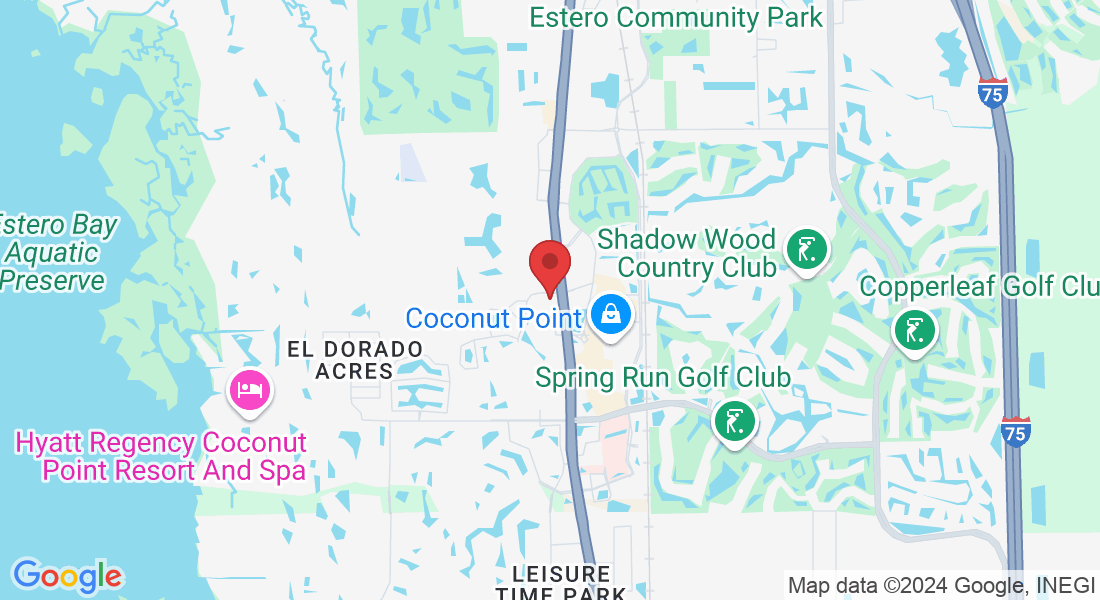
22900 Lyden Dr, Estero, FL 33928
AL# 12921