
This site is for families seeking memory care services. For employment inquiries, visit our Indeed page.
Memory Care Resources
Enjoy these articles on finding the right care for your loved one
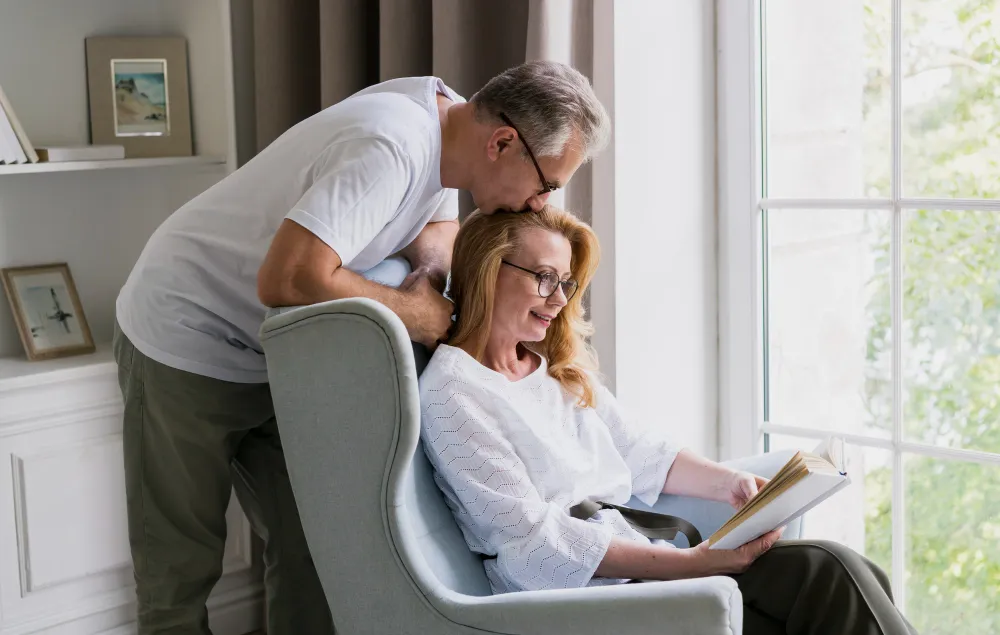
Supporting a Spouse With Dementia Without Burnout
Caring for a spouse with dementia is one of the most demanding roles a person can take on. It is an act of love, but it is also relentless. The person you have shared your life with is still there, and yet they are changing in ways neither of you planned for. You are grieving and caregiving at the same time, often without a break, often without asking for help.
Caregiver burnout is not a sign of weakness. It is a predictable result of sustained, high-intensity caregiving without adequate support. The Alzheimer's Association reports that12.7 million Americans provided unpaid care to people living with Alzheimer's or another dementia in 2025, and59% of dementia caregivers report high to very high emotional stress. Spousal caregivers are particularly vulnerable to increasing caregiving burdens over time.
This guide is for the husband or wife who is doing everything they can for their loved one, and quietly running out of themselves in the process.
What Is Caregiver Burnout?
Caregiver burnout is a state of physical, emotional, and mental exhaustion that occurs when the demands of caregiving consistently exceed the caregiver's resources, support, and capacity to recover.
It is different from ordinary tiredness. It accumulates over months or years, often in a person who has been so focused on their spouse's needs that their own health, relationships, and sense of self have quietly eroded.
Common signs of caregiver burnout include:
●Persistent exhaustion that sleep does not fix
●Withdrawal from friends, family, or activities you used to enjoy
●Feeling resentful, hopeless, or emotionally numb
●Neglecting your own medical appointments or health needs
●Increasing difficulty managing your own emotions around your spouse
●A sense that nothing you do makes a difference
If several of these sound familiar, you are not failing. You are overwhelmed. There is a distinction.
Why Spousal Caregiving Is Especially Hard
Caring for a spouse with dementia carries a particular weight that caring for a parent or other relative does not. You are living with the person. You share a bedroom, a routine, a history. The relationship you relied on for emotional support is now one where you are providing nearly all of it.
The Alzheimer's Association reports that spousal dementia caregivers are more likely than non-spousal dementia caregivers to experience increased caregiving burden over time. Many describe a process calledambiguous loss, the experience of grieving someone who is still physically present but no longer emotionally available in the way they once were.
Acknowledging that grief is not giving up. It is an honest response to a genuinely difficult situation.
How to Support Your Spouse Without Losing Yourself
These steps are not about caring less for your spouse. They are about building a sustainable foundation so that you can continue to care for them well.
1. Accept that you cannot do this alone.
Dementia is a full-time condition. No single person can manage it indefinitely without support. Acknowledging this is not defeat. It is realism.
2. Separate your identity from the caregiver role.
You are a spouse, a person with your own needs, history, and value, not only a caregiver. Maintaining even small pieces of your own identity, a morning walk, a weekly call with a friend, a hobby, protects your long-term capacity to show up for your loved one.
3. Use respite care before you reach a crisis point.
Respite care provides short-term professional support so you can rest, attend to your own health, or simply have unscheduled time. Many families in Bonita Springs, Bonita Bay, and Pelican Landing wait until they are exhausted to explore respite options. Reaching out early means better availability and less urgency.
4. Build a support network deliberately.
Identify three to five people who can help in specific, practical ways. Vague offers of help rarely materialize. Concrete requests do. Ask someone to sit with your spouse for two hours on a Tuesday. Ask another to handle a grocery run. Be specific.
5. Attend a caregiver support group.
Connecting with people who understand what you are living through can provide support and encouragement. The Alzheimer's Association runsfree support groups across Southwest Florida, including resources accessible to families in Whiskey Creek and Cypress Lake FL.
6. Keep your own medical appointments.
Spousal caregivers are significantly more likely than the general population to develop serious health conditions while neglecting routine care. Your health is not a luxury. It is part of the care plan.
Caring at Home vs. Professional Memory Care Support
Caring at Home Alone | With Professional Memory Care Support | |
Supervision | Caregiver responsible 24 hours a day | Dementia-trained staff on-site around the clock |
Caregiver sleep | Frequently disrupted | Caregiver able to sleep without monitoring |
Structured activities | Difficult to maintain consistently | Daily program built into the care model |
Medical oversight | Dependent on external appointments | Support coordinated with the community's care team |
Caregiver health | High risk of decline | Caregiver able to focus on their own recovery |
Relationship quality | Often strained by role shift | Spouse can return to being a spouse, not only a caregiver. |
Many families find that transitioning to professional memory care, whether for day program support orfull residential care, actually improves their relationship with their spouse. When the clinical demands are handled by trained specialists, the time spent together can be genuinely connective again.
When It Is Time to Ask for More Support
There is no single moment when the need for professional support becomes obvious. For most families, it is a gradual recognition that what worked six months ago is no longer enough. Signs that it may be time to explore additional options include wandering or safety incidents at home, significant caregiver sleep deprivation, the person with dementia requiring support with multiple daily tasks, or the caregiver's own health beginning to suffer visibly.
Families across Bonita Springs, Bonita Bay, Pelican Landing, Whiskey Creek FL, and Cypress Lake, FL, can speak with our team at Gulf Coast Memory Care at any point in that process. We do not pressure families toward any particular decision. We help you understand your options clearly, so whatever you decide, you decide with confidence.
We offer long-term residential memory care, aday program for families managing care at home, and short-term respite stays for caregivers who need to rest and recover. Our community is purpose-built for dementia care and located in Estero, a short drive from Bonita Springs.
Call (239) 427-1455 or schedule a no-obligation conversation with our care team.
Frequently Asked Questions
Is it normal to feel resentment toward a spouse with dementia?
Yes, and it is more common than most caregivers admit. Resentment typically signals that you are carrying more than one person can manage sustainably, not that you love your spouse any less. It is one of the clearest early signals that additional support is needed. Speaking with a therapist familiar with caregiver stress, or joining a support group, can help you process these feelings without guilt.
How do I get my spouse with dementia to accept help from others?
Many people with dementia resist care from strangers but accept it more readily from trained professionals who use consistent, calm routines. Introducing professional support gradually, starting with a few hours of day program or a short respite stay, often works better than a sudden full transition. Our team at Gulf Coast Memory Care can advise families in Bonita Springs on how to approach this conversation.
What is respite care and how does it work?
Respite care is short-term professional memory care that gives family caregivers a temporary break. During a respite stay, your spouse receives full access to meals, structured daily activities, and around-the-clock care from dementia-trained specialists, while you have time to rest, attend to your own health, or spend time with other family members. Availability is limited, so contacting a community early is recommended.
Can moving to a memory care community actually improve my relationship with my spouse?
For many couples, yes. When the clinical and supervisory demands of dementia are handled by trained specialists, the spouse is freed from the caregiver role during visits. Time together becomes about connection rather than task management. Families consistently tell us that their visits to Gulf Coast Memory Care feel warmer and more like their relationship used to feel.
How do I know if I am experiencing caregiver burnout or just a difficult week?
A difficult week passes. Burnout is sustained. If you have felt exhausted, emotionally withdrawn, physically unwell, or resentful for several weeks or months, and those feelings are not improving with rest, that is burnout rather than a rough patch. A conversation with your own doctor is a good starting point, as is speaking with a dementia care specialist about what support options exist.
What support is available for spousal caregivers in Bonita Springs and Southwest Florida?
The Alzheimer's Association offersfree support groups, a 24/7 helpline at 1-800-272-3900, and local resources across Southwest Florida. Gulf Coast Memory Care, located in Estero near Bonita Springs, offers day programs and respite care options for families managing care at home, as well as long-term residential memory care when the time is right. Our admissions team is available seven days a week at (239) 427-1455.





Get In Touch
Looking for more information about Gulf Coast Memory Care? Complete the following form and someone from our office will follow up with you shortly.
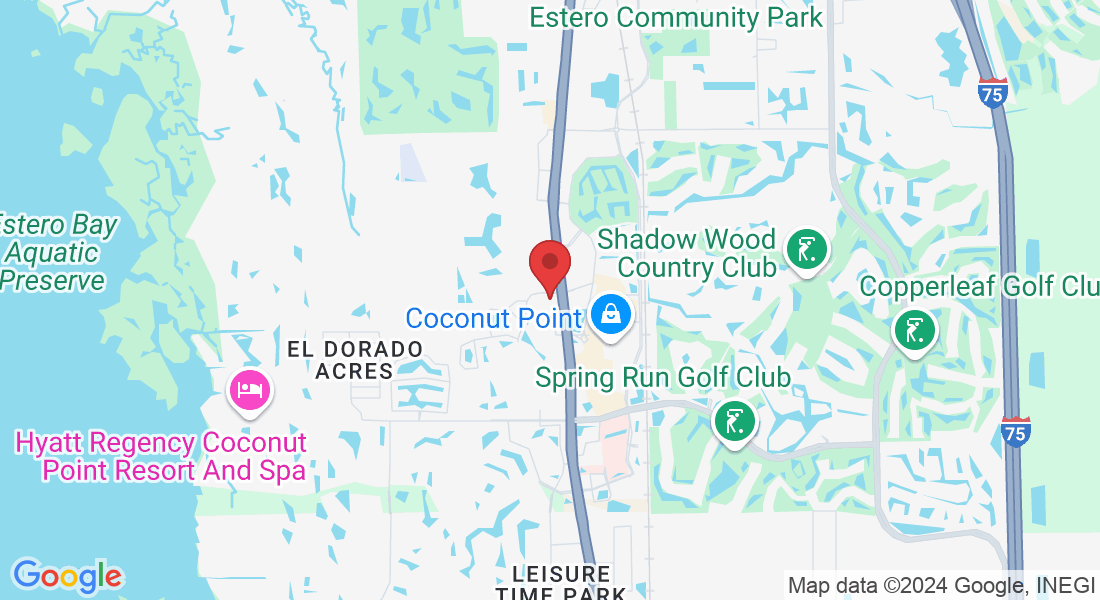

Gulf Coast Memory Care
(239) 427-1455
22900 Lyden Dr, Estero, FL 33928
AL# 12921