
This site is for families seeking memory care services. For employment inquiries, visit our Indeed page.
Memory Care Resources
Enjoy these articles on finding the right care for your loved one

Moving a Parent to Memory Care in Southwest Florida
There is rarely a moment when a family feels completely ready to move a parent into memory care. More often, the decision arrives gradually, through a series of small moments that add up to a quiet realization: the level of care your loved one needs has grown beyond what home can safely provide.
This guide is for families in Bonita Springs, Bonita Bay, Pelican Landing, Whiskey Creek, and Cypress Lake, FL, who are navigating that process. It will not make the decision easier emotionally. But it can make it clearer.
What Is Memory Care?
Memory care is a specialized form of senior living designed exclusively for people living with Alzheimer's disease, dementia, and related cognitive conditions. It provides 24/7 supervised care, a secure environment, and structured daily programming in a purpose-built setting. It differs from standard assisted living in that every element of the community, staffing, design, and programming, exists solely to support people with memory loss.
Step-by-Step Guide to Moving a Parent to Memory Care in Southwest Florida
Step 1. Recognize the Signs
Before logistics, there is clarity. The decision to explore memory care is often triggered by one or more of the following:
●Recurring safety incidents at home, falls, wandering, leaving the stove on
●Significant caregiver stress or physical exhaustion
●Increasing confusion, aggression, or sleep disruption
●Difficulty managing medications, dressing, or eating independently
●Isolation or withdrawal from daily life
The Alzheimer's Association recommends seeking professional memory care when in-home support can no longer safely meet a person's changing needs. If two or more of the above apply consistently, it is time to begin exploring options.
Step 2. Get a Medical Assessment
Before touring communities, ask your parent's physician for a formal cognitive assessment. This establishes a baseline, confirms the diagnosis, and helps identify the level of care required. It also gives you documentation that memory care communities will ask for during the admissions process.
If the diagnosis is not yet confirmed, a geriatric specialist or neurologist can conduct a full evaluation.
Step 3. Research Memory Care Communities in Southwest Florida
When comparing communities in the Bonita Springs, FL, area, look beyond the brochure. Use this comparison framework:
What to evaluate | What good looks like |
Staff-to-resident ratio | 8:1 or better |
Staff training | Dementia-specific, ongoing, not general care |
Physical environment | Purpose-built, secure, calm, not a converted wing |
Daily programming | Named program, structured, tailored to ability |
Safety features | Secure perimeter, enclosed walking areas, emergency response |
Technology | Passive wellness monitoring, emergency call systems |
Transparency | Clear pricing, no hidden fees, open to questions |
Reviews | Volume and consistency across Google and care directories |
Communities serving families from Bonita Bay, Pelican Landing, Whiskey Creek, and Cypress Lake, FL, are all within a short drive of Estero, where Gulf Coast Memory Care is located.
Step 4. Tour in Person
No website or brochure tells you what walking through the front door does. Book tours at two or three communities and pay attention to:
●How staff interact with residents when they do not know you are watching
●Whether residents appear calm and engaged or withdrawn
●How the community smells and feels
●Whether your questions receive direct, honest answers or rehearsed sales responses
●What the outdoor spaces look like and whether residents use them
Bring a list of questions about staffing consistency, how care plans are reviewed, and what happens when a resident's needs change.
Step 5. Understand the Costs and Payment Options
Memory care in the Bonita Springs area typically ranges from $4,650 to $7,500 per month depending on suite type and level of care. The most common ways families in Southwest Florida pay include:
●Private pay: Savings, home sale proceeds, or family contributions
●Long-term care insurance: Coverage depends on the individual policy.
●Veterans Aid and Attendance benefit: Eligible veterans and surviving spouses may qualify for additional monthly benefits.
●Medicare's GUIDE Model: This program supports eligible people with dementia and their caregivers through care coordination, caregiver education, and certain respite services. It is not a general payment option for memory care fees, and eligibility restrictions apply.
Always ask for a full written breakdown of what is included in the monthly fee and what triggers additional charges.
Step 6. Plan the Move Itself
Once you have chosen a community, the move requires both practical and emotional preparation.
Practically:
●Pack familiar, meaningful items. Photographs, a favorite blanket, personal objects from their bedroom
●Label clothing clearly
●Keep the layout of their suite as close to home as possible
●Coordinate with the care team on move-in timing. Mid-morning on a weekday is typically best, when staffing is at its fullest and activities are underway
Emotionally:
●You do not need to tell your loved one every detail at once. Match the conversation to their current level of understanding
●Avoid making promises you cannot keep, such as "you can come home soon."
●Let the care team guide the first day. They have done this before
Step 7. Support the Transition Period
The first two to four weeks are an adjustment for everyone. Most residents settle into routine within the first month. During this period:
●Visit regularly but follow the care team's guidance on timing and frequency, as early visits can sometimes increase anxiety
●Communicate openly with staff. Ask how your loved one is eating, sleeping, and engaging
●Be patient with yourself. Grief is normal, even when the decision was the right one
When to Start
The honest answer is: earlier than you think you need to. Families who begin researching memory care communities before the situation becomes urgent have more time to ask good questions, compare options thoughtfully, and prepare their loved one for the change. Waiting until a crisis forces the decision removes that space.
If you are a family in Bonita Springs, Bonita Bay, Pelican Landing, Whiskey Creek, or Cypress Lake, FL, and you are beginning to wonder whether it might be time, that question itself is worth exploring. Our team at Gulf Coast Memory Care is available seven days a week to talk through what you are seeing, answer your questions honestly, and help you understand what memory care can offer.
Call (239) 427-1455 or schedule a visit. There is no pressure and no obligation, just a real conversation.
Frequently Asked Questions
How do I know when it is the right time to move a parent to memory care?
The right time is usually when safety can no longer be reliably maintained at home and caregiver stress is becoming unsustainable. Recurring wandering, missed medications, frequent falls, and significant caregiver burnout are among the clearest indicators. If you are asking the question, it is worth having a formal conversation with your parent's physician and touring a memory care community. Getting information early does not commit you to anything.
How do I talk to my parent about moving to memory care?
Match the conversation to your loved one's current level of understanding. In earlier stages, a calm, honest conversation is appropriate. Focus on care and safety, not on what they are losing. In later stages, detailed explanation may cause distress without providing clarity. In those cases, the move-in day itself, handled by an experienced care team, is often smoother than a prolonged discussion. Your care team can guide you on the right approach for your specific situation.
What should I pack when moving a parent to memory care?
Bring personal items that carry meaning: framed photographs, a favorite blanket or pillow, familiar ornaments, and any objects that have been part of their daily environment for years. Comfortable, easy-to-manage clothing is important. Avoid bringing items of significant financial value or anything that could pose a safety risk. The community will provide a list of what is included and what to leave at home.
How long does it take a person with dementia to adjust to memory care?
Most residents settle into a new community within two to four weeks. The structured routine, familiar mealtimes, and consistent staffing help anchor the day in a way that reduces confusion over time. Some residents adjust faster, particularly those who were experiencing significant anxiety or unsafe situations at home. A small number take longer. Regular family visits and honest communication with the care team are the most effective ways to support the process.
Can I visit my parent after they move into memory care?
Yes, and you are encouraged to. Most memory care communities, including Gulf Coast Memory Care, welcome family involvement as a core part of care. The care team may offer guidance on timing during the first few weeks, particularly if early visits are increasing your loved one's distress, but this is temporary. Staying connected to the care team and to your loved one is one of the most important things a family can do.
What is the difference between memory care and assisted living in Southwest Florida?
Assisted living provides general daily support for seniors who need help with tasks like dressing, bathing, and medication management. It is designed for a broad population with varying needs. Memory care is built exclusively for people living with Alzheimer's disease and dementia. Staff are specifically trained in dementia care, the environment is designed to prevent wandering and reduce cognitive anxiety, and the daily program is structured around cognitive and emotional support. In Southwest Florida, dedicated memory care communities like Gulf Coast Memory Care offer specialized care designed exclusively for people living with Alzheimer's disease and dementia.




Get In Touch
Looking for more information about Gulf Coast Memory Care? Complete the following form and someone from our office will follow up with you shortly.

Gulf Coast Memory Care
(239) 427-1455
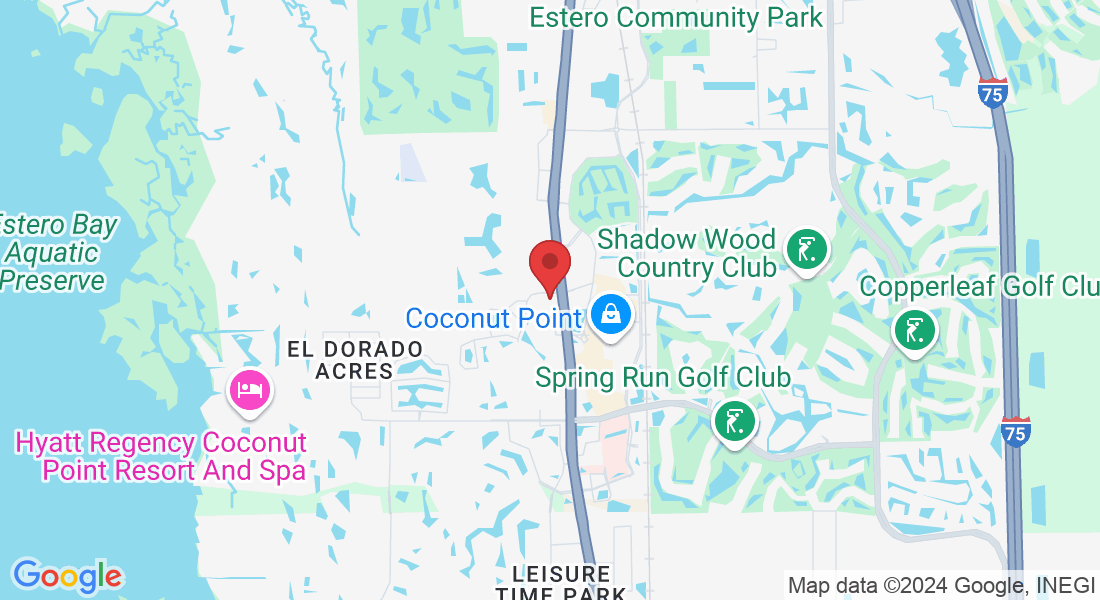
22900 Lyden Dr, Estero, FL 33928
AL# 12921