
This site is for families seeking memory care services. For employment inquiries, visit our Indeed page.
Memory Care Resources
Enjoy these articles on finding the right care for your loved one

What Do Memory Care Communities Do When a Resident Becomes Aggressive?
If your loved one with dementia has started showing aggressive behavior, you are probably feeling a mix of things right now. Scared. Confused. Maybe even a little heartbroken.
You are not alone. And this is not your fault.
Aggression is one of the most common and difficult symptoms of mid- to late-stage dementia.
It can come out of nowhere. It can be physical, verbal, or both. And for families watching it happen, it can feel impossible to manage at home.
If you are considering memory care in Estero, Florida for a loved one showing these behaviors, here is what you need to know about how trained communities handle this safely, carefully, and with real compassion.
Why Aggression Happens in Dementia Patients
Before anything else, it helps to understand the causes of aggression in dementia patients.
People with dementia cannot always express what they are feeling. Pain, fear, confusion, overstimulation, or even something as simple as an uncomfortable piece of clothing can trigger a strong reaction.
What looks like aggression from the outside is often a person in distress who has no other way to communicate.
This is not bad behavior. It is a symptom that needs a response, not a punishment.
How Memory Care Handles Aggressive Residents
Trained memory care teams do not rely on restraints or heavy sedation to manage aggressive behavior in memory care patients. Good communities use a structured, person-centered approach that begins long before an aggressive episode even occurs.
Here is what that looks like in practice.
Understanding the Individual
Every resident in quality memory care in Estero, Florida, should have a personalized care plan for behavior issues. This plan identifies known triggers, preferred calming strategies, daily routines that reduce anxiety, and communication approaches that work specifically for that resident.
De-escalation Techniques
When a resident becomes upset, trained caregivers use calm voices, gentle redirection, familiar music, or a change of environment to help the resident feel safe again. They do not argue. They do not raise their voices. They meet the resident where they are emotionally.
Structured Routines for Dementia Patients
Predictability is one of the most powerful tools in dementia care. When a resident knows what to expect throughout their day, their nervous system stays calmer. Disruptions to routine are one of the leading triggers of agitation and aggression.
What Families Should Know About Medication
Families sometimes worry that communities handle aggressive behavior purely through sedation.
This is a fair concern. Over-medicating residents to manage behavior is a real issue in some care settings, and families should ask about it directly. Ask how the community approaches non-medication behavior management techniques before turning to medication. Ask who makes those decisions and how families are involved.
A well-run community will always try behavioral and environmental strategies first. Medication, when used, should be prescribed by a physician, monitored closely, and reviewed regularly.
The Role of Environment and Safety
A safe environment for Alzheimer's patients reduces the frequency and intensity of aggressive episodes.
Noise levels, lighting, crowding, and even room temperature can all affect how a resident with dementia feels throughout the day. Communities designed specifically for dementia care, with calming colors, quiet spaces, secure outdoor areas, and a predictable daily flow, naturally lower anxiety in residents.
When a resident feels safe, oriented, and understood, aggression becomes far less frequent.
Family Communication in Memory Care Matters
When aggressive behavior does occur, families should hear about it.
A quality community practicing good family communication in memory care will contact you when significant behavioral changes happen. They will explain what occurred, what triggered it if known, and what steps are being taken in response. They will ask for your input because you know your loved one better than anyone.
You should never find out about an incident days later or by accident. Transparency in difficult moments is one of the clearest signs of a community that genuinely respects its families.
At Gulf Coast Memory Care in Estero, families have direct access to the care team and leadership because that kind of open communication is built into how the community operates.
Aggressive Behavior Does Not Mean Memory Care Is the Wrong Choice
In fact, for many families dealing with aggressive behavior in memory care patients at home, moving to a specialized community is what finally brings relief. Not just for the caregiver, but for the resident too.
Trained caregivers who understand dementia care for aggressive behavior respond in ways that reduce fear and confusion. A structured, calm environment reduces triggers. And having support around the clock means no one person is carrying an impossible weight alone.
Memory care communities in Estero, Florida, that specialize in dementia are built specifically for moments like these.
Frequently Asked Questions
Is aggressive behavior in dementia patients permanent, or can it improve?
Dementia-related aggression often occurs in phases and can be ameliorated through an appropriate care environment, consistent routines, and accurate identification of triggers. It doesn't always get worse. Once they get used to a structured and familiar setting, many residents show a big drop in aggressive behavior.
What should I tell a memory care community about my loved one's aggression before they move in?
Share everything. Tell the care team what triggers episodes, what calms your loved one down, what time of day is hardest, and what words or actions make things worse. The more detail you provide, the better the care team can build a personalized plan before your loved one even arrives. Honest information leads to safer and smoother transitions.
Can a memory care community ask a resident to leave because of aggressive behavior?
In some cases, yes. If a resident's behavior poses a serious and ongoing safety risk to other residents or staff, a community may determine they are unable to meet that resident's needs. However, reputable communities work hard to manage behavioral symptoms before considering this step. Families should always ask how a community handles escalating behavior and what their process looks like before making a placement decision.





Get In Touch
Looking for more information about Gulf Coast Memory Care? Complete the following form and someone from our office will follow up with you shortly.

Gulf Coast Memory Care
(239) 427-1455
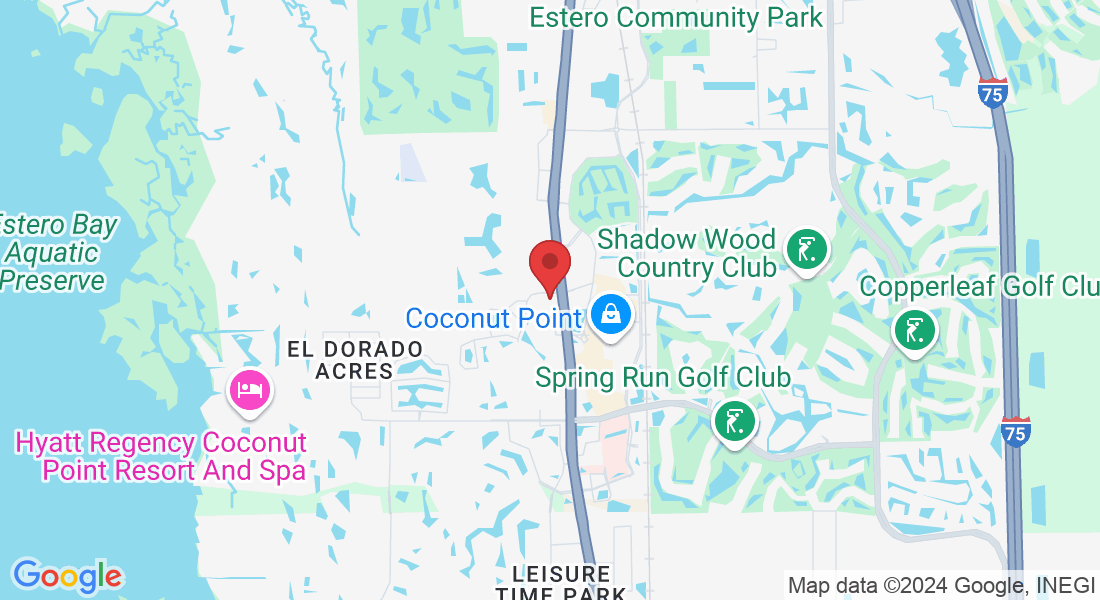
22900 Lyden Dr, Estero, FL 33928
AL# 12921