
This site is for families seeking memory care services. For employment inquiries, visit our Indeed page.
Memory Care Resources
Enjoy these articles on finding the right care for your loved one

When Is Assisted Living No Longer Enough for Someone With Dementia?
Many families start their senior living journey in assisted living. A parent who needs help with meals, medications, or housekeeping moves into a community where support is nearby, and for a while it works well. Then the phone calls start. Mom was found in the wrong apartment. Dad keeps trying to leave the building after dinner. The staff are kind, but they mention, more and more often, that they may not be able to meet his needs much longer.
If that sounds familiar, you’re not alone. One of the most common questions we hear from families across Southwest Florida is when assisted living stops being enough for someone with dementia.
Assisted Living and Memory Care Are Built for Different Needs
Assisted living is designed for older adults who are largely independent but need some help with daily tasks. Residents usually come and go freely, manage much of their own day, and choose their activities.
Memory care is designed for people whose cognitive changes affect their safety and daily life. The environment is secure, caregivers are trained specifically in dementia, and the day is structured to reduce anxiety and confusion. Many assisted living communities offer a memory care wing, but that is different from a community built entirely for memory care, where staff aren’t split between residents with very different needs.
Signs Assisted Living Is No Longer the Right Fit
Wandering or Exit-Seeking
When a resident starts trying to leave the building, especially at night, a typical assisted living setting may not be secure enough to keep them safe.
Missed Meals and Medications
Assisted living staff often provide reminders, but someone with advancing dementia may need hands-on help to eat, drink, and take medications reliably.
Growing Isolation
Residents with memory loss can struggle to keep up with group activities designed for more independent peers. Families often notice their loved one spending more and more time alone in their apartment.
Increasing Confusion, Fear, or Agitation
Sundowning, suspicion, or frequent distress are signs that a person needs caregivers trained to respond calmly and consistently. Our article on what happens when dementia and depression occur together explores how mood changes can complicate this stage.
The Community Raises Concerns
If staff begin calling more often, recommending extra private aides, or suggesting a move, take it seriously. They are often seeing a pattern before families do.
You Are Paying for More and More Extra Help
Many families add private aides on top of assisted living fees to cover nights or busy afternoons. When those extra hours keep growing, it is often a sign that the setting no longer matches the need. At that point, a dedicated memory care community can provide more consistent support, often without the added cost of outside caregivers.
What Changes When Someone Moves to Memory Care
Families are often surprised by how much calmer their loved one becomes in a setting designed for them. Days have a predictable rhythm. Activities are matched to their abilities. Caregivers know how to redirect gently instead of correcting. Safe outdoor spaces let them walk without risk.
The move itself takes planning, but it doesn’t need to be traumatic. Our posts on how long it takes to adjust to memory care and what happens if you wait too long explain why moving while a loved one can still adapt often leads to a smoother transition.
Why Location Still Matters
Families in Cape Coral, Lehigh Acres, and Cypress Lake often start by looking at the senior living communities closest to home. That’s understandable. But as needs change, many decide a slightly longer drive is worth it for a dedicated memory care setting. Whether you’re comparing assisted living and memory care in Naples, looking at memory care near Bonita Springs and Cypress Lake, or weighing options closer to Fort Myers and Estero, the right fit matters more than the shortest commute.
Why Gulf Coast Memory Care Is Built Differently
Not a Wing, a Whole Community
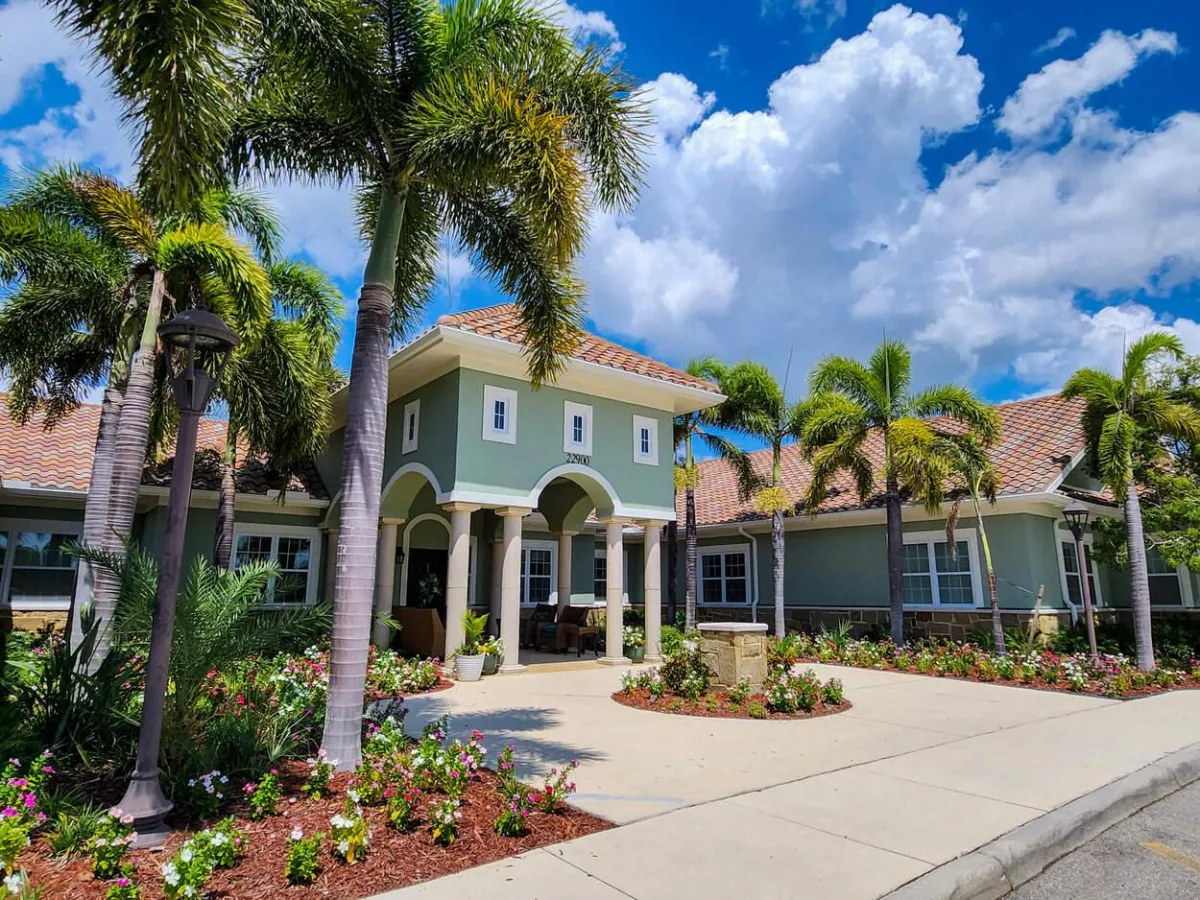
Gulf Coast Memory Care is 100% memory care. Our caregivers, programs, and spaces exist only for people living with Alzheimer’s and dementia.
People, Places, and Programs
Our 8:1 staff-to-resident ratio means familiar faces every day. Enclosed courtyards, natural light, and calm spaces support safety and comfort, while our Rhythm of Life program keeps every resident engaged at their own level.
Central to Southwest Florida
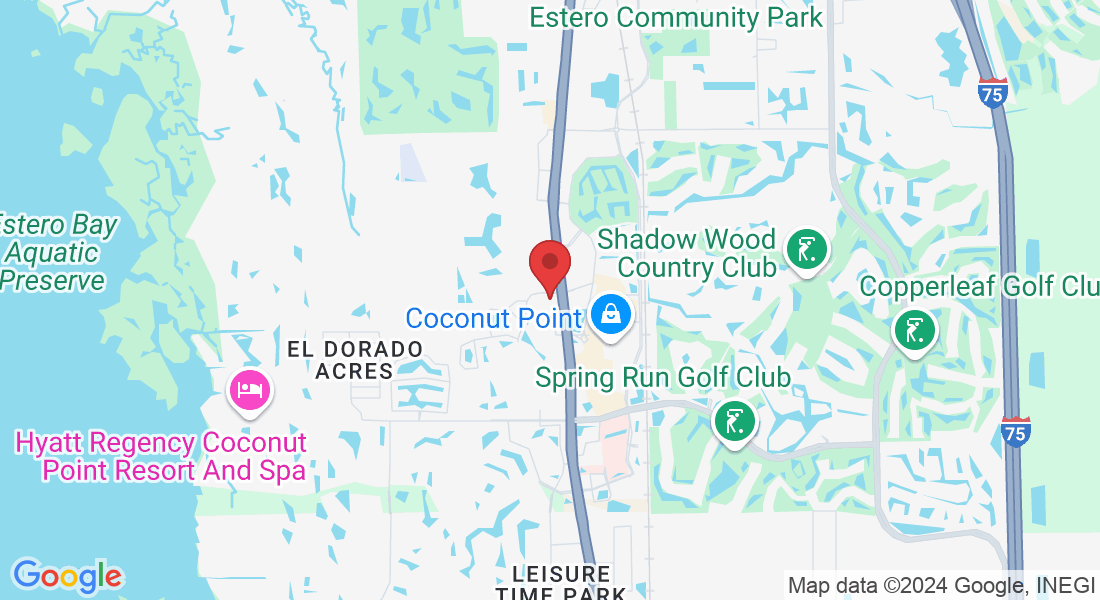
We are at 22900 Lyden Drive in Estero, about 10 to 15 minutes from Bonita Springs, 20 to 25 minutes from Naples, and 30 to 35 minutes from Cape Coral and Lehigh Acres. If you’re wondering whether assisted living is still enough, call (239) 427-1455. We’re happy to talk it through, with no pressure.
Frequently Asked Questions
What is the difference between assisted living and memory care?
Assisted living supports older adults who are mostly independent but need help with daily tasks. Memory care is designed for people with Alzheimer’s or dementia, with a secure environment, dementia-trained staff, and structured routines.
When should someone move from assisted living to memory care?
A move to memory care is often needed when a resident starts wandering or trying to leave, misses meals or medications, becomes isolated, shows growing confusion or agitation, or when the assisted living staff say they can no longer meet their needs.
Can an assisted living community ask a resident with dementia to move?
Yes. If a resident’s needs exceed what the community is licensed or staffed to provide, such as safety concerns related to wandering, the community may recommend a move to a more appropriate setting like memory care.
Is a memory care wing in assisted living the same as a memory care community?
Not always. A memory care wing is part of a larger assisted living building and may share staff and programming. A dedicated memory care community is built entirely around the needs of people living with dementia.
Is there dedicated memory care near Cape Coral, Naples, and Bonita Springs?
Yes. Gulf Coast Memory Care in Estero is a 100% memory care community about 10 to 15 minutes from Bonita Springs, 20 to 25 minutes from Naples, and 30 to 35 minutes from Cape Coral and Lehigh Acres.




Get In Touch
Looking for more information about Gulf Coast Memory Care? Complete the following form and someone from our office will follow up with you shortly.

Gulf Coast Memory Care
(239) 427-1455
22900 Lyden Dr, Estero, FL 33928
AL# 12921