
This site is for families seeking memory care services. For employment inquiries, visit our Indeed page.
Memory Care Resources
Enjoy these articles on finding the right care for your loved one
Why Personalized Life Stations Matter in Memory Care
There is a moment that families who visit Gulf Coast Memory Care describe again and again. A lifelong gardener pauses to tend a plant. A former musician begins tapping along to a familiar tune. A mother gently rocks a baby doll with the same care she once gave her own children. These moments remind families that dementia may change memory, but it doesn’t erase identity.
That is what a well-designed, personalized Life Station does. And it is not accidental. It is the result of understanding how the brain works in Alzheimer's disease and dementia and building care around that understanding rather than around convenience.
What Is a Life Station in Memory Care?
Definition: A Life Station is a therapeutic space within a memory care community designed to reconnect residents with meaningful hobbies, lifelong interests, familiar roles, and everyday activities. These personalized spaces encourage engagement, comfort, and a sense of purpose by building on what remains familiar to each individual.
Life Stations are sometimes called Interactive Stations or Autonomous Engagement Stations. While the names vary, the purpose is the same: to connect a person with dementia or Alzheimer's disease to the skills and experiences they still carry, even when recent memories have faded.
Examples of Life Stations at Gulf Coast Memory Care include gardening areas, music spaces, craft and hobby stations, flower arranging, sorting and organizing activities, kitchen connections, reading nooks, baby doll therapy, and scheduled therapy dog visits. Their effectiveness comes from how they encourage residents to reconnect with familiar interests, hobbies, and meaningful daily experiences in a supportive environment.
The Science Behind Life Stations
The reason Life Stations work lies in a specific type of memory called "procedural memory," which governs how we perform familiar tasks and skills. Research published in peer-reviewed literature consistently shows that procedural memory is preserved far longer than episodic memory in people with Alzheimer's disease and dementia.
A longitudinal study published in PubMed found that patients with Alzheimer's-type dementia could acquire and retain procedural memories across extended periods, with no significant relationship between retention ability and disease stage. Even a patient with a Mini-Mental State Examination score of 4, representing advanced cognitive decline, was able to acquire and retain a new motor skill.
A separate controlled study evaluating procedural memory stimulation in mild to moderate Alzheimer's disease found that patients trained in familiar daily activities showed significant reduction in the time required to perform those tasks, while the untrained control group showed decline. The conclusion was direct: procedural memory in Alzheimer's disease is relatively well preserved, and training around familiar activities is a realistic and meaningful goal.
This is the neurological foundation on which Life Stations are built. A person may not remember what they had for breakfast, but they may fold laundry with precision, tend a plant with care, or arrange objects by shape and color with genuine competence. Life Stations give that competence somewhere to go.
Why Personalisation Is the Critical Difference
Not all Life Stations are equal. A generic sorting table serves a purpose, but a sorting table filled with items from a resident's actual profession or pastime serves a far deeper one. Research published in systematic reviews cited by the National Institutes of Health found that the largest therapeutic effects in dementia activity programs were seen when treatments were tailored to individuals' own backgrounds, interests, and skills.
The difference between a standard group activity and a personalized Life Station is significant:
How Life Stations Work at Gulf Coast Memory Care
At Gulf Coast Memory Care, every Life Station begins not with an activity but with a conversation. Before a resident moves in, our team works closely with their family to build a detailed life history.
Here is how the process works:
Life history gathering: Families share information about past careers, hobbies, daily routines, favorite pastimes, and meaningful roles in the resident's life.
Activity planning: Our care team learns about each resident’s history, interests, and abilities, then recommends Life Stations and meaningful activities that best reflect their background and preferences.
Gradual introduction: Residents are introduced to their stations gently, at their own pace, with a familiar caregiver present. Participation is always voluntary.
Ongoing observation: Staff observes how the resident responds and adjusts the station over time as interests or abilities change.
Family involvement: Families play an important role by sharing life history, hobbies, favourite activities, and meaningful experiences. They are also welcome to participate in Life Station activities during visits, creating additional opportunities for connection.
Life Stations at Gulf Coast Memory Care are available throughout the day as part of our Rhythm of Life program, which structures daily activity across six dimensions of well-being. Residents from Bonita Springs, Whiskey Creek, Cypress Lake, Bonita Bay, and Pelican Landing bring unique life experiences, and our personalized approach helps connect them with meaningful activities through Life Stations.
What Families in Bonita Springs Notice
Families who visit regularly tell us that the change they see in their loved one at a Life Station is different from anything they observe during standard group activities. The shift is specific. A resident who is often anxious or withdrawn becomes focused. Someone who rarely initiates conversation reaches out to a caregiver without prompting. A person who has not felt useful in months completes a task and looks up with quiet satisfaction.
Research supports what families describe. Systematic reviews in the clinical literature found that personalized activity programs produced effect sizes significantly higher than generic group interventions for reducing behavioral and psychological symptoms of dementia, including agitation, withdrawal, and distress.
For families in Bonita Springs, Bonita Bay, Pelican Landing, Whiskey Creek FL, and Cypress Lake, FL, who are evaluating memory care options for a loved one, this is one of the most meaningful questions to ask any community: how do you find out who this person was, and how does that shape what their days look like here?
The answer reveals more about the quality of care than almost any other question you can ask.
At Gulf Coast Memory Care, every resident's Life Station begins with that question. If you would like to see how it works in person, our team is available seven days a week to walk you through our community and show you what a personalized day in memory care near Bonita Springs looks like.
Call (239) 427-1455 or schedule a visit online.
Frequently Asked Questions
What is the difference between a Life Station and a regular activity in memory care?
A regular memory care activity is designed for a group, with a general theme or task that most residents can participate in. A Life Station is personalized using a resident’s life history, interests, hobbies, and familiar experiences to encourage meaningful engagement and a sense of purpose. The goal is not participation for its own sake but connection to a familiar skill or role that carries emotional meaning. Because the activities are based on the resident’s life history, interests, and familiar experiences, they often encourage deeper engagement and a greater sense of comfort than general group activities.
Can Life Stations still help someone in the advanced stages of Alzheimer's disease?
Yes. Research published in peer-reviewed literature has shown that procedural memory, the type of memory that governs familiar tasks and skills, is preserved significantly longer than other forms of memory in Alzheimer's disease, including in advanced stages. At Gulf Coast Memory Care, Life Stations are adapted to each resident's current abilities. A resident in an advanced stage may not actively complete a task but may hold a familiar object, respond to a familiar scent, or observe an activity with evident calm and comfort. The station is adjusted continuously as needs change.
How do I help the care team build the right Life Station for my loved one?
The process begins with a detailed life history conversation that our team conducts with families before or shortly after a resident moves in. You will be asked about past careers, hobbies, daily routines, roles your loved one valued, music they enjoyed, and objects or environments that held meaning. Families are encouraged to share their loved one’s life history, hobbies, routines, favorite activities, and meaningful experiences. This information helps the care team recommend Life Stations and activities that feel familiar, engaging, and personally meaningful throughout the resident’s stay. Families in Bonita Springs, Bonita Bay, Pelican Landing, Whiskey Creek, and Cypress Lake, FL, are encouraged to be active participants in the process by sharing their loved one’s life story, interests, and meaningful experiences to help create more personalized daily engagement.




Get In Touch
Looking for more information about Gulf Coast Memory Care? Complete the following form and someone from our office will follow up with you shortly.

Gulf Coast Memory Care
(239) 427-1455
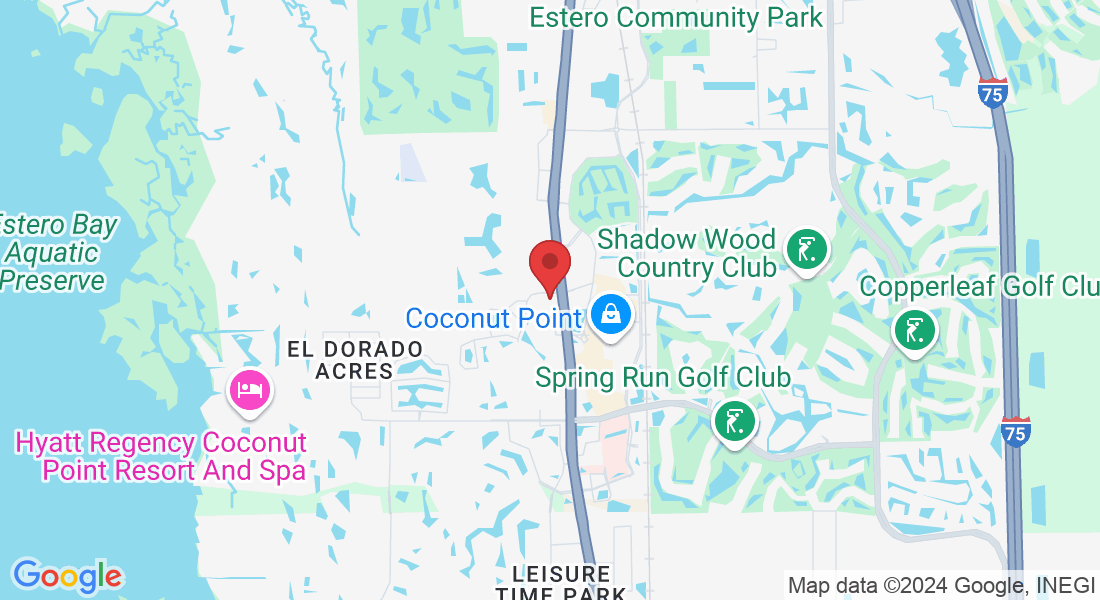
22900 Lyden Dr, Estero, FL 33928
AL# 12921