
This site is for families seeking memory care services. For employment inquiries, visit our Indeed page.
Memory Care Resources
Enjoy these articles on finding the right care for your loved one
Winter Hydration: The Hidden Challenge for Seniors with Dementia
As January brings cooler temperatures—even here in Southwest Florida—families often focus on keeping loved ones warm and cozy. But there’s a hidden health risk that can sneak up on seniors with dementia during the winter: dehydration. While most people associate dehydration with the summer heat, the dry air and reduced thirst signals of winter can be just as dangerous—especially for those living with memory loss.
Why Hydration Matters More in Winter
During the colder months, the body’s natural thirst response is less active. Seniors may not feel thirsty, even when their bodies need fluids. For those with dementia, this challenge is magnified: they may not recognize or communicate their need for water, and memory changes can make it easy to forget to drink altogether. Dry indoor heating and extra respiratory effort also increase fluid loss, making winter dehydration a real concern.
Signs of Dehydration in Seniors with Dementia
Increased confusion or agitation
Fatigue or sleepiness
Dry mouth or cracked lips
Dizziness or headache
Dark-colored urine or reduced urination
Constipation
If you notice these signs, encourage fluid intake and consult your loved one’s care team or physician.
Practical Tips for Keeping Seniors Hydrated in Winter
1. Serve Warm Alternatives:
Offer warm herbal teas, decaf coffee, or warm apple cider instead of cold water
Try low-sodium broths or homemade soups for both hydration and comfort
2. Incorporate "Eating" Water:
Hydrating snacks like oranges, melons, grapes, or cucumbers
Add warm soups or stews to mealtime routines
3. Use Visual Cues:
Place brightly colored mugs or clear pitchers of fruit-infused water in high-traffic areas
Use labeled cups or special drinkware to catch your loved one’s attention
4. Make Hydration Social:
Establish a "cheers" routine—join your loved one for a drink every hour
Pair drinks with favorite activities (reading, music, or after a walk)
5. Track Intake Together:
Keep a simple hydration chart or use a phone reminder
Celebrate small wins to encourage participation
How Gulf Coast Memory Care Supports Winter Hydration
At GCMC, we integrate hydration into the rhythm of every day:
"Hydration Stations" are available throughout our community
Scheduled social tea times and snack breaks
Staff are trained to spot subtle signs of dehydration and encourage residents with gentle reminders, favorite drinks, and sensory-focused methods
Collaboration with families to share tips and preferences
For more on our approach to wellness, see our Preventing Illness in Memory Care and Nutrition, Hydration & Immune Support blogs.
For additional guidance, visit the Alzheimer’s Association: Nutrition and Hydration resource.
Key Takeaways
Winter dehydration is a hidden risk for seniors with dementia—even in mild climates
Warm drinks, hydrating snacks, and social routines can help keep loved ones safe
GCMC staff and families work together to make hydration a daily priority
FAQ
Q: Why is dehydration a risk in winter?
A: Cold weather reduces thirst, and dry indoor air increases fluid loss. Seniors with dementia may not recognize or express thirst.
Q: What are the best ways to encourage hydration?
A: Warm, appealing drinks, hydrating snacks, and making hydration part of daily routines all help.
Q: What if my loved one refuses to drink?
A: Try different temperatures, flavors, and drinkware. Consult your care team for more ideas or if you’re concerned.
Q: How does GCMC help with hydration?
A: We offer hydration stations, social tea times, staff reminders, and personalized support for every resident.
Have questions about winter wellness or supporting your loved one’s hydration? Contact Gulf Coast Memory Care or call (239) 427-1455—we’re here to help your family thrive, every season.





Get In Touch
Looking for more information about Gulf Coast Memory Care? Complete the following form and someone from our office will follow up with you shortly.

Gulf Coast Memory Care
(239) 427-1455
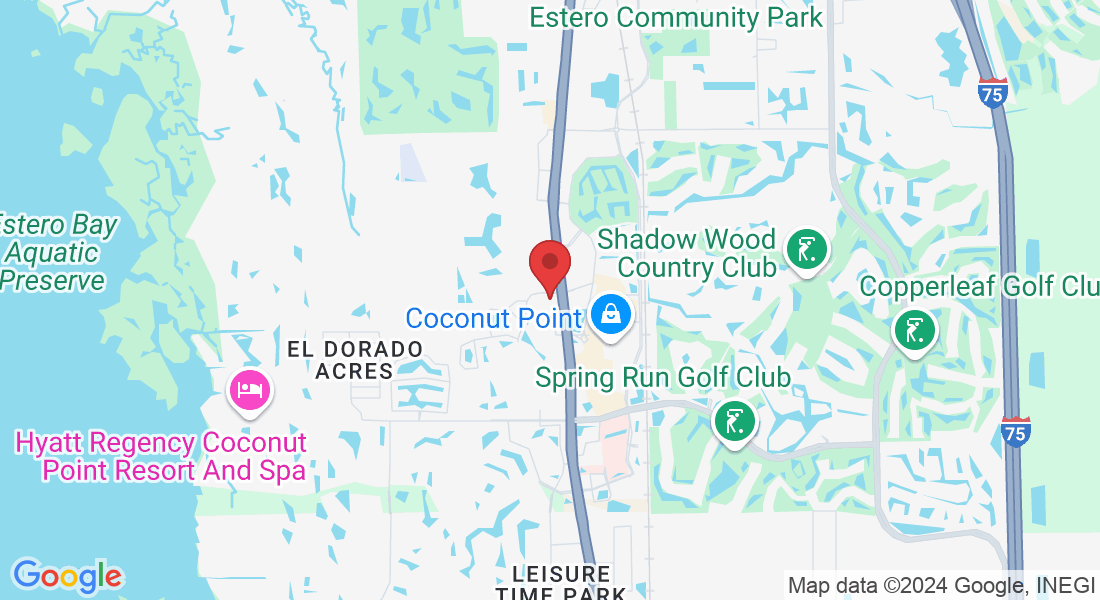
22900 Lyden Dr, Estero, FL 33928
AL# 12921