
Call Us: (239) 427-1455
This site is for families seeking memory care services. For employment inquiries, visit our Indeed page.
About The Community
Here, you will discover a friendly Respite Care, Memory Care, Alzheimer's Care, and community where every day is celebrated with delicious meals, fun and enriching activities, and an inviting atmosphere that feels like a family get-together. See for yourself and take a virtual tour of our community.
Recognized Excellence in Memory Care Leadership
We're proud to announce that our Director of Sales & Marketing, Jennifer Brady, has been named a 2025 Influential Woman by Influential Women. This recognition highlights Jen's dedication to supporting families through their memory care journey and her commitment to building strong healthcare partnerships throughout Southwest Florida.

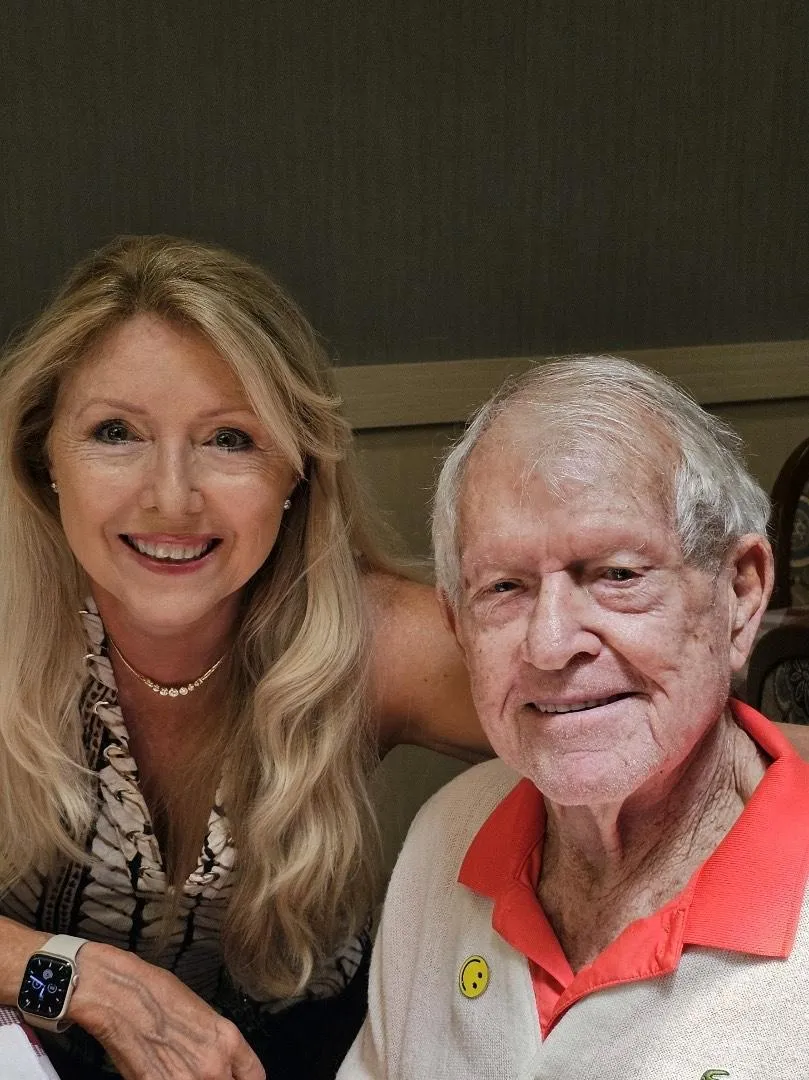
"Gulf Coast Memory has been a blessing for my Father as well as our family. The staff is very caring and compassionate and treat the residents like family. My Father refers to GC as his home and the peace of mind that gives to my family and I is priceless."
Your family's freedom to thrive is our top priority.
Personalized Memory Care in Estero
Our community is designed with comfort and security in mind, featuring private suites, tranquil common areas, and secure outdoor spaces. Every detail supports the dignity and independence of our residents, while offering peace of mind to families.
24/7 on-site care and support
Staff specially trained in dementia care
Personalized daily routines
Family involvement and communication
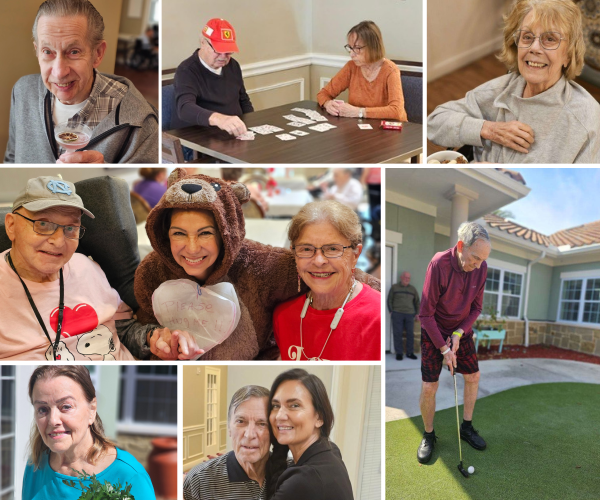
Engaging Daily Activities That Promote Well-Being
Cognitive stimulation, connection, and joy are essential to our residents’ quality of life. Our structured activity programs are crafted to support memory retention, mobility, and emotional well-being.
Art and music therapy
Group and one-on-one activities
Physical and mental stimulation
Brain fitness and memory training
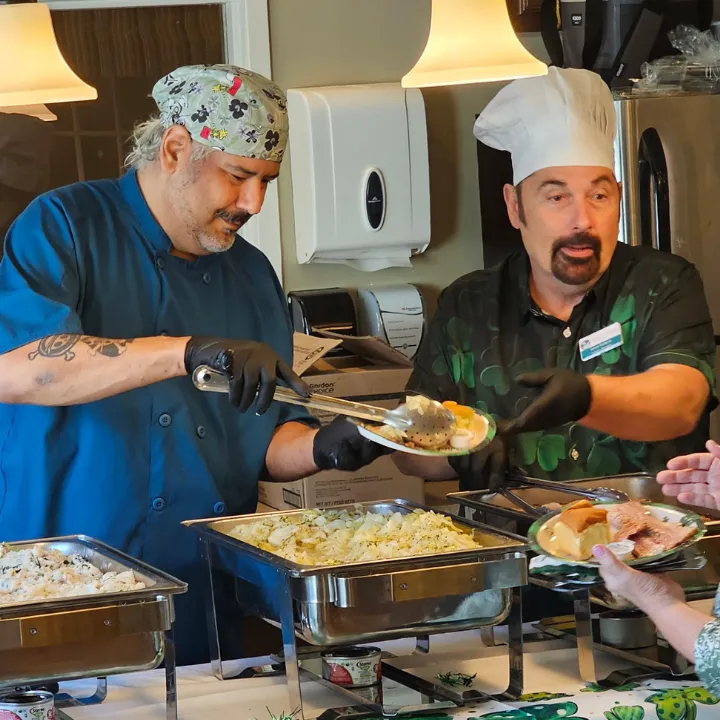
Meals Made With Care, Just Like Home
Every meal is thoughtfully prepared with fresh ingredients. Our culinary team creates comforting, home-style dishes that support each resident’s health and well-being. We accommodate personal tastes and dietary needs, making mealtime both nourishing and enjoyable.
Private, Comfortable Living Spaces for Seniors
Residents enjoy spacious private suites thoughtfully designed for both comfort and safety. Every element, from calming color palettes to personalized decor, helps create a familiar and soothing environment. Each suite features individual climate control, emergency response systems, and an adaptive layout to support accessibility.
Housekeeping and laundry services are included, ensuring a clean, stress-free living space tailored to each resident’s needs.


Smart Wellness Technology
Gulf Coast Memory Care offers Amba Smart Wellness Technology in select rooms, providing discreet monitoring of sleep, movement, and vital signs. With no cameras or microphones, this passive system alerts our care team to unusual activity—supporting early intervention while preserving privacy and independence.
Monitors sleep patterns and vitals
Tracks nighttime movement
Sends alerts for unusual activity
Maintains privacy at all times
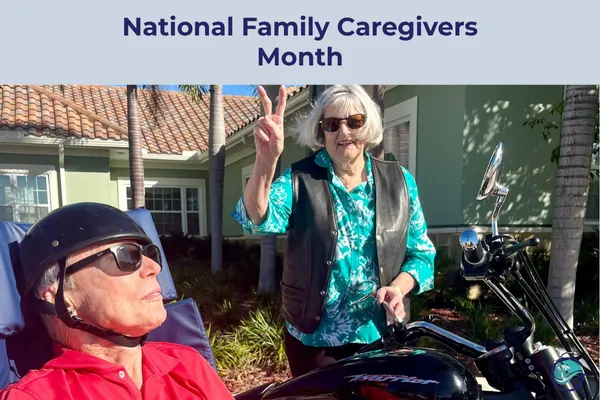
National Family Caregivers Month: What to Expect When Your Loved One Enters Memory Care
November is National Family Caregivers Month, a time to honor the millions of family members providing care for loved ones. If you're transitioning your loved one to memory care, you're likely wondering: "What happens next? What will my role be?" At Gulf Coast Memory Care, we understand that entering memory care doesn't end your caregiving journey—it transforms it into a partnership with our professional team.
What Family Caregivers Need to Know About Memory Care Transition
Your Role Evolves, It Doesn't End
Many families fear that placing a loved one in memory care means:
Abandoning their caregiving responsibilities
Losing their connection with their loved one
Being replaced by professional staff
Giving up control over care decisions
The reality: Your role shifts from physical caregiver to advocate, companion, and essential care team member.
The First 30 Days: What to Expect
Week 1: The Adjustment Period
What's Happening:
Your loved one is acclimating to new surroundings
Staff are learning individual preferences and routines
Initial care plan implementation begins
Family emotions run high
What You Can Do:
Visit briefly but frequently if possible
Bring familiar comfort items
Share important information about routines and preferences
Trust the professional adjustment process
What GCMC Does:
Implement personalized care plans immediately
Monitor adjustment closely with 8:1 staff ratio
Maintain open communication with families
Provide updates on eating, sleeping, and activity participation
Week 2-3: Finding Rhythm
What's Happening:
Residents begin recognizing staff and routines
Participation in activities increases
Sleep and eating patterns stabilize
Family guilt may intensify (this is normal)
What You Can Do:
Establish a consistent visiting schedule
Participate in activities during visits
Ask staff about your loved one's daily experiences
Practice self-care and process your emotions
What GCMC Does:
Adjust care plans based on observed needs
Encourage family participation in our Rhythm of Life programming
Share positive moments and milestones
Address concerns immediately
Week 4: The New Normal
What's Happening:
Routines feel more established
Your loved one shows signs of comfort
You begin seeing benefits of professional care
Guilt may decrease as you see positive changes
What You Can Do:
Settle into your new role as companion
Enjoy quality time without caregiving stress
Attend monthly family luncheons
Build relationships with staff
Your Ongoing Responsibilities as a Family Member
What You're Still Responsible For
Medical Decisions:
Major healthcare choices
End-of-life planning discussions
Medication approval for significant changes
Financial Management:
Monthly payment coordination
Insurance and benefit management
Long-term financial planning
Emotional Support:
Regular visits and connection
Maintaining family relationships
Advocating for preferences and needs
Communication:
Sharing important family updates
Informing staff of changes in behavior or health
Participating in care plan reviews
What GCMC Handles
Daily Physical Care:
Bathing and personal hygiene
Dressing assistance
Medication administration
Mobility support
24/7 Supervision:
Safety monitoring
Behavioral support
Nighttime care
Emergency response
Programming and Engagement:
Daily activities through Rhythm of Life
Social engagement opportunities
Cognitive stimulation
Physical exercise programs
Nutrition and Wellness:
Chef-prepared meals
Dietary accommodations
Nutritional monitoring
Hydration management
How GCMC Supports Family Caregivers
Open Communication Culture
Staff Accessibility:
Personal phone numbers shared with families
Immediate response to concerns
Regular updates on daily experiences
Transparent communication about challenges
Family Involvement Opportunities:
Monthly family luncheons
Activity participation welcome anytime
Care plan review meetings
Open visiting policies
The 90-Day Satisfaction Guarantee
We understand the transition is difficult. Our guarantee reflects our commitment to:
Ensuring families feel confident in their decision
Providing exceptional care that meets expectations
Supporting smooth transitions
Standing behind our services
Managing Common Family Caregiver Emotions
Guilt: "Did I Make the Right Decision?"
Why You Feel This Way:
Cultural expectations about family care
Promises you may have made years ago
Seeing your loved one in a care setting
Missing daily caregiving routines
The Reality:
Professional memory care provides safety you can't replicate at home
Your loved one receives specialized dementia care 24/7
You're preserving your relationship by removing caregiver stress
This decision comes from love, not abandonment
Relief: "Why Do I Feel Better?"
Why You Feel This Way:
Physical exhaustion is lifting
Sleep is improving
Constant worry is decreasing
You have time for yourself again
The Reality:
Relief is healthy and expected
You can be a better companion when not exhausted
Self-care makes you a better advocate
Feeling relief doesn't mean you love them less
Grief: "I Miss Our Old Life"
Why You Feel This Way:
Loss of the person they used to be
Changes in your daily routine
Altered family dynamics
Recognition of disease progression
The Reality:
Grief is a natural part of the dementia journey
Professional support helps you process these emotions
You're not grieving alone
New meaningful moments are still possible
Visiting Strategies for Family Caregivers
Finding the Right Balance
Visit Frequency:
Quality matters more than quantity
Some families visit daily, others weekly
Find what works for your emotional health
Consistency helps residents more than length
Visit Activities:
Participate in scheduled activities
Share meals in our elegant dining room
Walk in our interior courtyards
Simply sit together in comfortable spaces
When to Leave:
Before either of you becomes tired
On a positive note when possible
Without lengthy goodbyes that increase anxiety
Trusting staff to provide comfort after you leave
Frequently Asked Questions
Q: How often should I visit? A: There's no perfect answer. Some families visit daily, others weekly. Focus on quality interactions and your own emotional capacity.
Q: What if my loved one is upset when I leave? A: This is common initially. Our trained staff use redirection and comfort techniques. Most residents calm quickly after family departs.
Q: Can I participate in care decisions? A: Absolutely. We encourage family involvement in care planning and welcome your input on preferences and approaches.
Q: What if I disagree with a care decision? A: Communication is key. Speak with staff immediately. We're partners in care and want to address concerns transparently.
Q: How do I know they're receiving good care when I'm not there? A: Our open communication culture, staff accessibility, and 8:1 ratio ensure consistent, quality care. We encourage surprise visits anytime.
Resources for Family Caregivers
Support Beyond GCMC
Local Resources:
Family caregiver support groups
Counseling and therapy options
National Resources:
Key Takeaways
✓ Your caregiving role evolves, it doesn't end
✓ The first 30 days involve significant adjustment
✓ You remain responsible for major decisions
✓ GCMC handles daily care and 24/7 supervision
✓ Guilt, relief, and grief are all normal emotions
✓ Quality visits matter more than quantity
✓ Open communication creates successful partnerships
Honoring Your Caregiving Journey
National Family Caregivers Month reminds us that family caregivers are heroes who deserve support, recognition, and partnership. Transitioning to memory care doesn't diminish your caregiving—it enhances it by surrounding your loved one with professional expertise while preserving your relationship.
At Gulf Coast Memory Care, we honor your caregiving journey by:
Treating you as an essential care team member
Maintaining transparent, accessible communication
Welcoming your involvement and input
Supporting your emotional well-being
Providing the specialized care your loved one deserves
You've carried the weight of caregiving. Now let us share that weight while you focus on what matters most: being a loving family member, not an exhausted caregiver.
Ready to learn more about how Gulf Coast Memory Care supports family caregivers? Schedule a tour to experience our family-centered approach firsthand. Contact us today—we're here to answer your questions and support your family's transition.

Get In Touch
Looking for more information about Gulf Coast Memory Care? Complete the following form and someone from our office will follow up with you shortly.



Gulf Coast Memory Care
(239) 427-1455
22900 Lyden Dr, Estero, FL 33928
AL# 12921
Privacy Policy | Accessibility Statement | Visitation Policy