
Call Us: (239) 427-1455
This site is for families seeking memory care services. For employment inquiries, visit our Indeed page.
About The Community
Here, you will discover a friendly Respite Care, Memory Care, Alzheimer's Care, and community where every day is celebrated with delicious meals, fun and enriching activities, and an inviting atmosphere that feels like a family get-together. See for yourself and take a virtual tour of our community.
Recognized Excellence in Memory Care Leadership
We're proud to announce that our Director of Sales & Marketing, Jennifer Brady, has been named a 2025 Influential Woman by Influential Women. This recognition highlights Jen's dedication to supporting families through their memory care journey and her commitment to building strong healthcare partnerships throughout Southwest Florida.

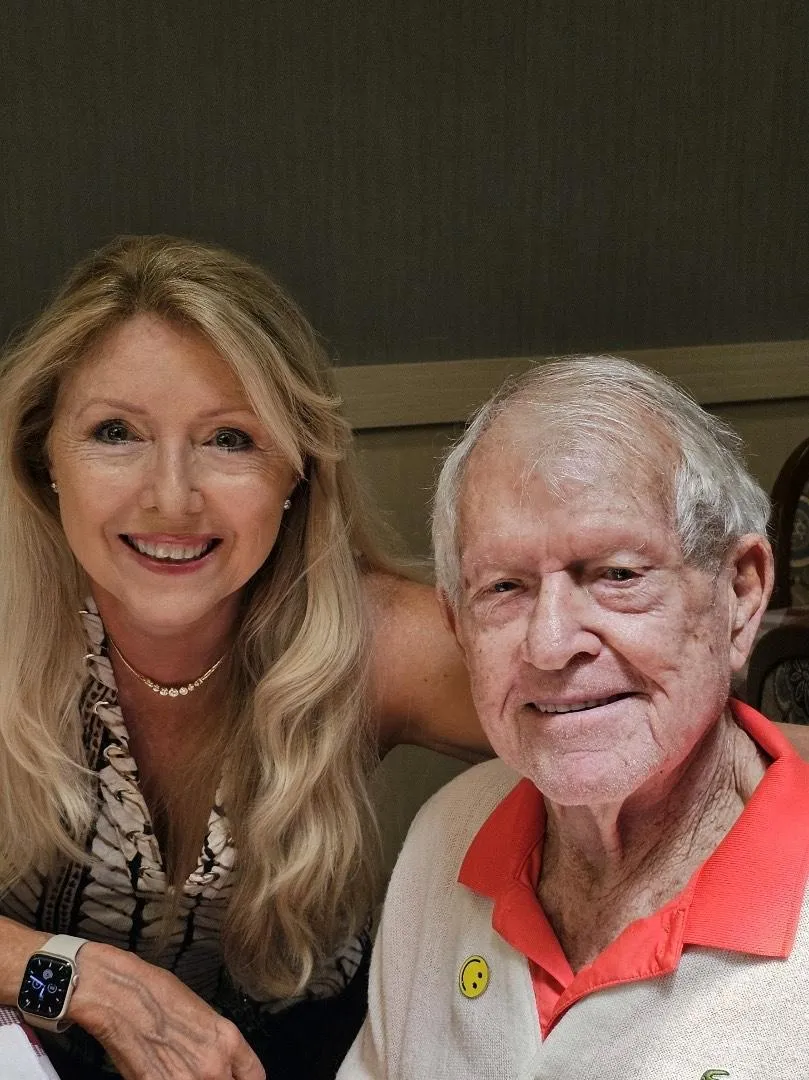
"Gulf Coast Memory has been a blessing for my Father as well as our family. The staff is very caring and compassionate and treat the residents like family. My Father refers to GC as his home and the peace of mind that gives to my family and I is priceless."
Your family's freedom to thrive is our top priority.
Personalized Memory Care in Estero
Our community is designed with comfort and security in mind, featuring private suites, tranquil common areas, and secure outdoor spaces. Every detail supports the dignity and independence of our residents, while offering peace of mind to families.
24/7 on-site care and support
Staff specially trained in dementia care
Personalized daily routines
Family involvement and communication
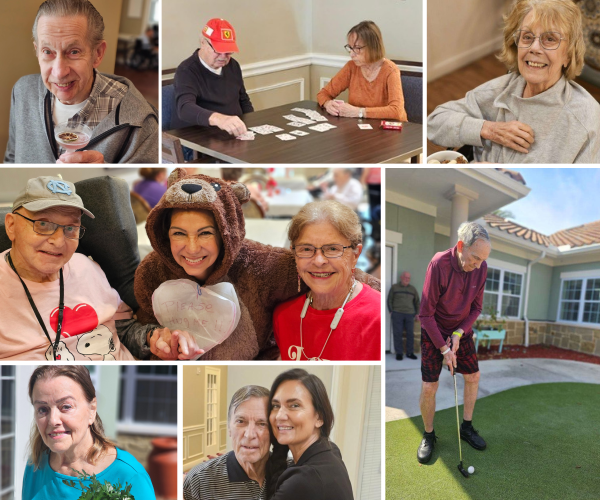
Engaging Daily Activities That Promote Well-Being
Cognitive stimulation, connection, and joy are essential to our residents’ quality of life. Our structured activity programs are crafted to support memory retention, mobility, and emotional well-being.
Art and music therapy
Group and one-on-one activities
Physical and mental stimulation
Brain fitness and memory training
Meals Made With Care, Just Like Home
Every meal is thoughtfully prepared with fresh ingredients. Our culinary team creates comforting, home-style dishes that support each resident’s health and well-being. We accommodate personal tastes and dietary needs, making mealtime both nourishing and enjoyable.

Private, Comfortable Living Spaces for Seniors
Residents enjoy spacious private suites thoughtfully designed for both comfort and safety. Every element, from calming color palettes to personalized decor, helps create a familiar and soothing environment. Each suite features individual climate control, emergency response systems, and an adaptive layout to support accessibility.
Housekeeping and laundry services are included, ensuring a clean, stress-free living space tailored to each resident’s needs.


Smart Wellness Technology
Gulf Coast Memory Care offers Amba Smart Wellness Technology in select rooms, providing discreet monitoring of sleep, movement, and vital signs. With no cameras or microphones, this passive system alerts our care team to unusual activity—supporting early intervention while preserving privacy and independence.
Monitors sleep patterns and vitals
Tracks nighttime movement
Sends alerts for unusual activity
Maintains privacy at all times
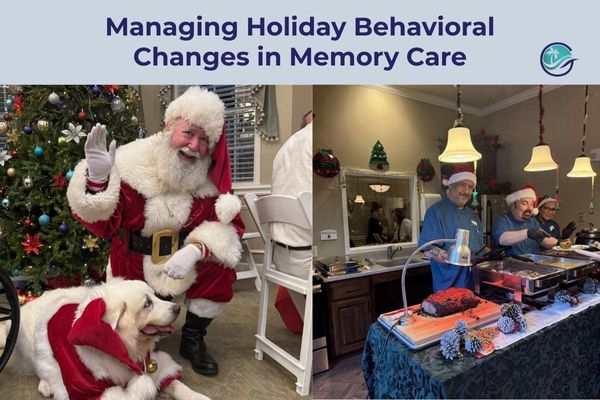
Managing Holiday Behavioral Changes in Memory Care: A December Guide for Families
Why December Triggers Behavioral Changes in Memory Care Residents
The holiday season disrupts the carefully maintained routines that help memory care residents feel safe and grounded. Increased visitors, unfamiliar decorations, changes in staff schedules, and sensory overstimulation from holiday music and lights can overwhelm someone experiencing cognitive decline. Additionally, the emotional weight of "missing" holiday traditions they once enjoyed can trigger grief responses that manifest as agitation, withdrawal, or confusion.
Research shows that residents with dementia are particularly sensitive to environmental changes. The combination of seasonal transitions, altered daily schedules, and heightened family expectations creates a perfect storm for behavioral escalation during December.
Five Actionable Strategies to Minimize Holiday Stress
1. Maintain Core Routines Despite Holiday Disruptions
The single most effective intervention is protecting your loved one's daily routine. While family visits and holiday activities are important, the timing and structure of meals, medications, rest periods, and familiar activities should remain consistent.
Actionable step: Coordinate with the memory care community to establish "quiet hours" during your visits. Schedule family gatherings during times when your loved one is typically most alert and engaged. If your resident usually naps at 2 PM, don't plan a large family dinner at that time. Work with the team to create a written schedule that all visitors can reference.
2. Use Familiar Sensory Cues Instead of New Decorations
Rather than introducing new holiday decorations that may confuse or agitate your loved one, bring items from their personal history—photos from past holidays, familiar music from their era, or scents associated with positive memories (like cinnamon or pine from their favorite holiday traditions).
Actionable step: Ask the memory care community which sensory activities your resident responds to best. If they light up at Christmas carols from the 1950s, create a playlist. If they enjoy the smell of baking, coordinate with staff to have simple baking activities in the facility. Avoid overwhelming sensory experiences like crowded holiday parties or loud environments.
3. Reframe Holiday Visits Around Connection, Not Tradition
Many families approach December visits with expectations about recreating past holiday traditions—decorating cookies together, watching classic movies, or attending holiday services. When residents can't participate as they once did, both family and resident experience disappointment and frustration.
Actionable step: Focus visits on simple, present-moment connection. Sit together quietly, hold hands, listen to music, or look through old photo albums at a slow pace. Short, frequent visits (30-45 minutes) are often more successful than long holiday gatherings. Quality of presence matters far more than quantity of activities.
4. Communicate Holiday Changes Clearly to Staff
Memory care communities experience significant staffing changes during the holidays, and new or temporary staff may not know your loved one's specific triggers or preferences. This gap in communication often leads to increased behavioral incidents.
Actionable step: Create a one-page "Holiday Communication Sheet" for your loved one's care team that includes: their known triggers, what calms them, preferred activities, medication timing, and any specific holiday accommodations you're planning. Update this sheet weekly as the season progresses and new staff rotate in.
5. Prepare for Grief Responses and Validate Emotions
Some residents experience profound sadness during the holidays—grief over lost independence, missing deceased loved ones, or awareness that this holiday season is different from previous years. This emotional response is valid and shouldn't be medicated away or dismissed.
Actionable step: If your loved one expresses sadness or confusion about holiday changes, acknowledge it gently without trying to "fix" it. Simple statements like "I know this is different" or "It's okay to feel sad" can be more therapeutic than cheerful distraction. Allow space for these emotions while maintaining the protective routine structure.
6. Monitor for Medication Adjustments
Some residents require temporary medication adjustments during high-stress periods like the holidays. Increased agitation, sleep disruption, or behavioral changes may warrant a conversation with their healthcare provider about whether short-term support is appropriate.
Actionable step: Track behavioral changes in a simple log during December. Note what time behavioral shifts occur, what preceded them, and how long they lasted. Share this data with the care team and physician. This information helps distinguish between normal holiday stress and changes that might benefit from medical intervention.
Red Flags: When to Seek Additional Support
Watch for these signs that your loved one may need additional support:
Significant increase in aggression or agitation
Refusal to eat or take medications
Extreme withdrawal or unresponsiveness
Sleep disruption lasting more than a few days
Expressions of wanting to harm themselves or others
Contact the community immediately if you notice these changes. They may indicate that current strategies aren't sufficient and professional adjustment is needed.
The Gift of Presence Over Perfection
December in memory care doesn't need to look like the holidays of the past. The greatest gift you can offer your loved one is your calm, consistent presence—not perfect holiday recreations. By protecting their routine, minimizing sensory overwhelm, and focusing on genuine connection, you create the conditions for a peaceful, meaningful December.
The holidays are ultimately about love and connection. In memory care, that looks like showing up, staying present, and accepting your loved one exactly as they are in this moment.

Get In Touch
Looking for more information about Gulf Coast Memory Care? Complete the following form and someone from our office will follow up with you shortly.



Gulf Coast Memory Care
(239) 427-1455
22900 Lyden Dr, Estero, FL 33928
AL# 12921
Privacy Policy | Accessibility Statement | Visitation Policy