
Call Us: (239) 427-1455
This site is for families seeking memory care services. For employment inquiries, visit our Indeed page.
About The Community
Here, you will discover a friendly Respite Care, Memory Care, Alzheimer's Care, and community where every day is celebrated with delicious meals, fun and enriching activities, and an inviting atmosphere that feels like a family get-together. See for yourself and take a virtual tour of our community.
Recognized Excellence in Memory Care Leadership
We're proud to announce that our Director of Sales & Marketing, Jennifer Brady, has been named a 2025 Influential Woman by Influential Women. This recognition highlights Jen's dedication to supporting families through their memory care journey and her commitment to building strong healthcare partnerships throughout Southwest Florida.

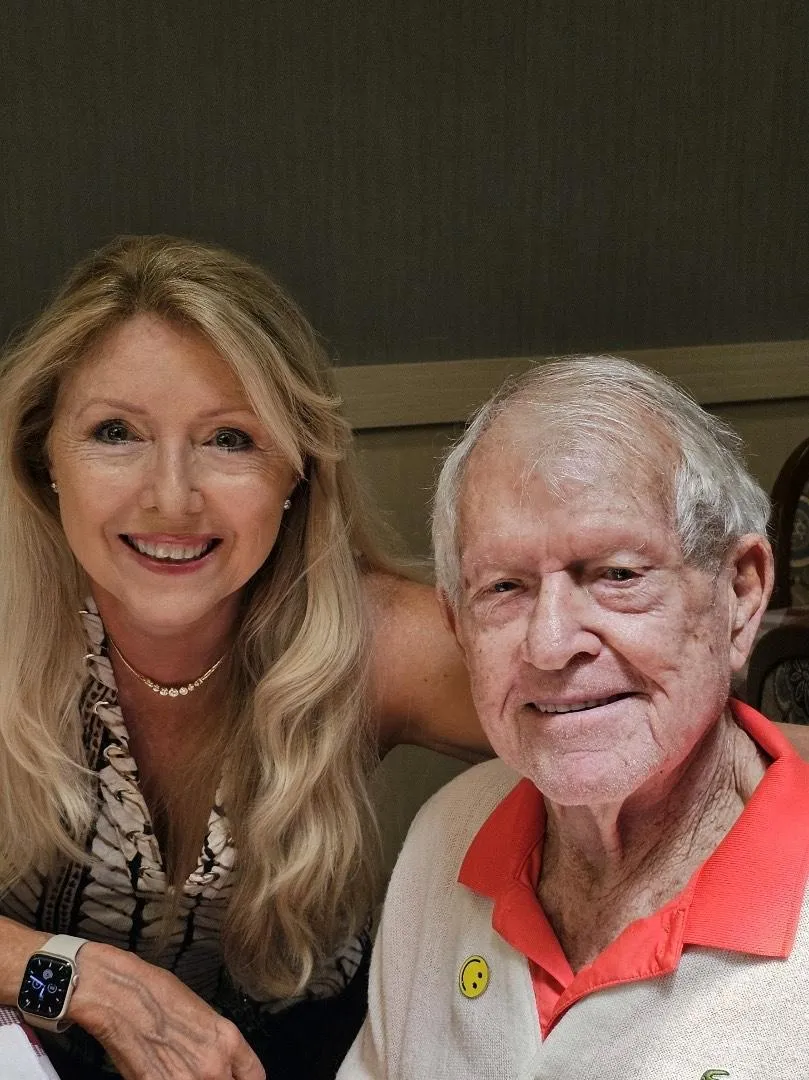
"Gulf Coast Memory has been a blessing for my Father as well as our family. The staff is very caring and compassionate and treat the residents like family. My Father refers to GC as his home and the peace of mind that gives to my family and I is priceless."
Your family's freedom to thrive is our top priority.
Personalized Memory Care in Estero
Our community is designed with comfort and security in mind, featuring private suites, tranquil common areas, and secure outdoor spaces. Every detail supports the dignity and independence of our residents, while offering peace of mind to families.
24/7 on-site care and support
Staff specially trained in dementia care
Personalized daily routines
Family involvement and communication
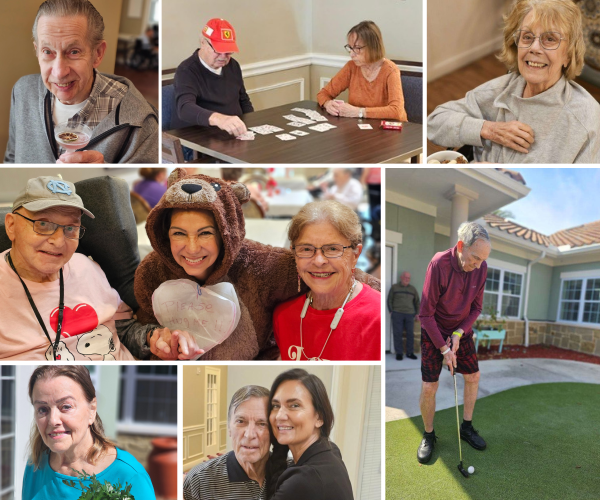
Engaging Daily Activities That Promote Well-Being
Cognitive stimulation, connection, and joy are essential to our residents’ quality of life. Our structured activity programs are crafted to support memory retention, mobility, and emotional well-being.
Art and music therapy
Group and one-on-one activities
Physical and mental stimulation
Brain fitness and memory training
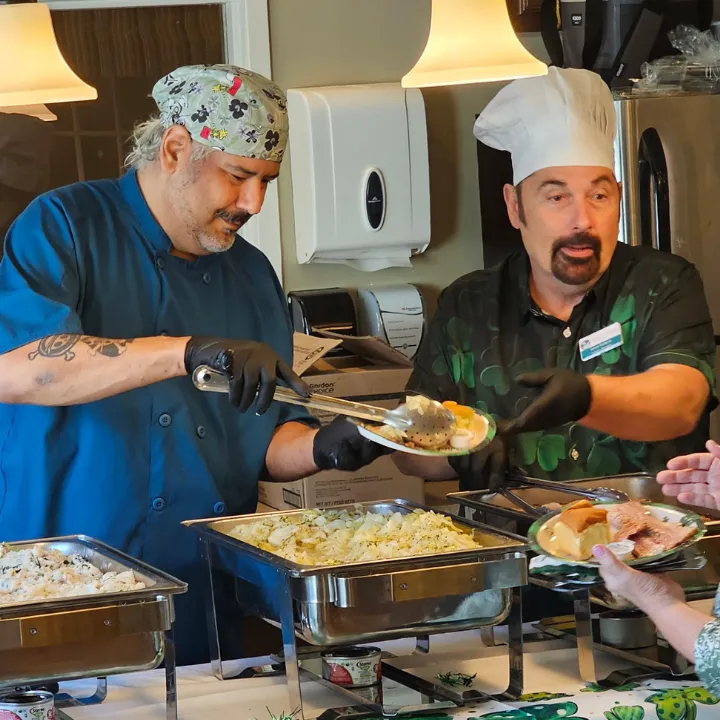
Meals Made With Care, Just Like Home
Every meal is thoughtfully prepared with fresh ingredients. Our culinary team creates comforting, home-style dishes that support each resident’s health and well-being. We accommodate personal tastes and dietary needs, making mealtime both nourishing and enjoyable.
Private, Comfortable Living Spaces for Seniors
Residents enjoy spacious private suites thoughtfully designed for both comfort and safety. Every element, from calming color palettes to personalized decor, helps create a familiar and soothing environment. Each suite features individual climate control, emergency response systems, and an adaptive layout to support accessibility.
Housekeeping and laundry services are included, ensuring a clean, stress-free living space tailored to each resident’s needs.


Smart Wellness Technology
Gulf Coast Memory Care offers Amba Smart Wellness Technology in select rooms, providing discreet monitoring of sleep, movement, and vital signs. With no cameras or microphones, this passive system alerts our care team to unusual activity—supporting early intervention while preserving privacy and independence.
Monitors sleep patterns and vitals
Tracks nighttime movement
Sends alerts for unusual activity
Maintains privacy at all times
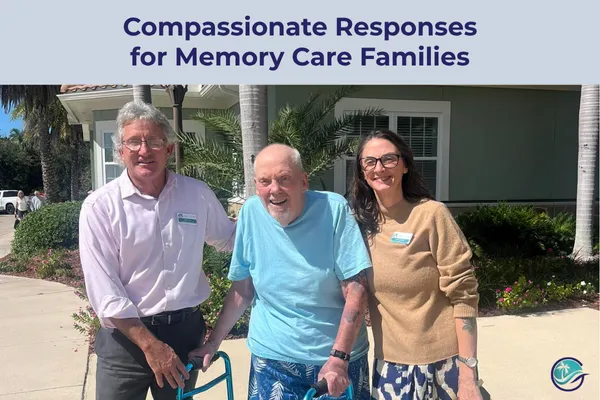
When They Ask 'When Can I Go Home?': Compassionate Responses for Memory Care Families
One of the most heartbreaking moments families face in memory care is hearing their loved one ask, "When can I go home?" This question—repeated daily, sometimes hourly—leaves families feeling guilty, helpless, and emotionally devastated. At Gulf Coast Memory Care, we understand this universal experience and want to help you respond with compassion and confidence.
Understanding Why They Ask to Go Home
The Question Behind the Question
When residents ask to go home, they're rarely asking about a physical location. Instead, they're expressing:
A need for comfort and security
Feelings of confusion or anxiety
A desire to return to a familiar time in their life
Emotional distress they can't articulate differently
How Dementia Changes Perception
Dementia affects the brain's ability to:
Process current location and time
Recognize familiar environments
Distinguish between past and present
Feel secure in new surroundings
What NOT to Say (And Why)
Avoid These Common Responses
"You ARE home." Why it doesn't work: This can increase confusion and agitation when the environment doesn't match their memory of "home."
"Don't you remember? We talked about this." Why it doesn't work: Highlighting memory loss increases frustration and embarrassment.
"You can't go home because [reason]." Why it doesn't work: Logic doesn't work with dementia. Rational explanations often increase distress.
"Stop asking that question." Why it doesn't work: Dismissing their feelings damages trust and increases anxiety.
Compassionate Response Strategies
The Validation Approach
What to say: "Tell me about your home. What do you miss most?"
Why it works:
Validates their feelings
Redirects to positive memories
Creates connection through conversation
Reduces immediate anxiety
The Comfort Response
What to say: "I can see you're feeling uncomfortable. Let's find something that helps you feel better."
Why it works:
Acknowledges their emotional state
Offers immediate support
Focuses on present comfort
Avoids confrontation about location
The Redirection Technique
What to say: "That sounds nice. Would you like to [activity] while we talk about it?"
Why it works:
Doesn't dismiss their request
Introduces calming activity
Shifts focus gently
Maintains dignity
The Time-Based Response
What to say: "We'll talk about that after [meal/activity]. Right now, let's [immediate activity]."
Why it works:
Provides a "later" without promising specifics
Offers immediate alternative
Reduces urgency of the request
GCMC's Staff Training in Communication
Teepa Snow Methods
Our caregivers receive specialized training in:
Recognizing emotional needs behind questions
Using body language to convey safety
De-escalation techniques
Validation therapy approaches
Creating moments of connection
24/7 Specialized Support
With our 8:1 staff-to-resident ratio, team members can:
Respond immediately to distress
Spend quality time understanding individual triggers
Provide personalized comfort strategies
Maintain consistency in communication approaches
Creating "Home" Feelings in Memory Care
Environmental Comfort
At GCMC, we create home-like feelings through:
Abundant natural light
Comfortable, familiar furnishings
Personal suite customization
Interior courtyards for outdoor comfort
Routine and Familiarity
Our Rhythm of Life programming provides:
Consistent daily schedules
Familiar activities
Predictable meal times
Comforting rituals
Personal Connections
We foster "home" feelings by:
Learning residents' life histories
Incorporating personal preferences
Celebrating individual traditions
Building genuine relationships
Supporting Families Through This Challenge
Managing Your Own Emotions
It's Normal to Feel:
Heartbreak hearing the question repeatedly
Frustration at not being able to "fix" it
Grief for the relationship changes
Remember:
You made the best decision for their safety
Professional care provides what home cannot
Your love hasn't changed
This is the disease speaking, not rejection of you
Visit Strategies
Before Visits:
Prepare emotionally for the question
Have redirection strategies ready
Bring comfort items or photos
During Visits:
Focus on present moment activities
Engage in familiar, enjoyable activities
Stay calm if the question arises
Use validation and redirection techniques
After Visits:
Process your emotions with support
Remember the positive moments
Trust the professional care team
Practice self-compassion
When to Seek Additional Support
Signs Your Loved One Needs Extra Help
Increased agitation around "going home"
Physical attempts to leave
Distress lasting beyond brief episodes
Changes in sleep or eating patterns
GCMC's Response
Our team:
Monitors behavioral patterns
Adjusts care plans as needed
Communicates changes with families
Collaborates with medical partners when necessary
Frequently Asked Questions
Q: Will they ever stop asking to go home? A: The frequency often decreases as residents become more comfortable and familiar with their environment. Some residents continue asking but with less distress.
Q: Should I visit less if they always ask to go home when I leave? A: Not necessarily. Work with staff to find the right visit frequency and duration. Sometimes shorter, more frequent visits work better.
Q: Is it okay to lie about why they can't go home? A: We prefer "therapeutic fibbing" or redirection over direct lies. Focus on emotional truth rather than factual details.
Q: How do I explain this to other family members who don't understand? A: Share educational resources about dementia communication. Invite them to speak with our staff about why certain responses work better.
The Power of Trained Communication
Real-World Impact
When staff understand dementia communication:
Residents experience less agitation
Families feel more supported
Trust builds between residents and caregivers
Quality of life improves significantly
GCMC's Commitment
Every team member receives ongoing training in:
Compassionate communication
Behavior management
De-escalation techniques
Understanding the emotional world of dementia
Key Takeaways
✓ "When can I go home?" expresses emotional needs, not literal requests
✓ Validation works better than logic or correction
✓ Redirection and comfort reduce distress
✓ Professional training makes a significant difference
✓ You're not alone in facing this challenge
✓ Creating "home" feelings is possible in memory care
Moving Forward with Compassion
Hearing your loved one ask to go home never gets easier, but understanding the question behind the question helps you respond with compassion rather than guilt. At Gulf Coast Memory Care, our staff's specialized training in Teepa Snow methods and dementia communication ensures your loved one receives responses that comfort rather than confuse.
You don't have to navigate this alone. Our team is here to support both residents and families through every challenging moment, providing guidance, understanding, and professional expertise.
Struggling with communication challenges in memory care? Contact Gulf Coast Memory Care to learn how our specialized training and compassionate approach support families through difficult moments. Schedule a tour to see our communication strategies in action.

Get In Touch
Looking for more information about Gulf Coast Memory Care? Complete the following form and someone from our office will follow up with you shortly.


Gulf Coast Memory Care
(239) 427-1455
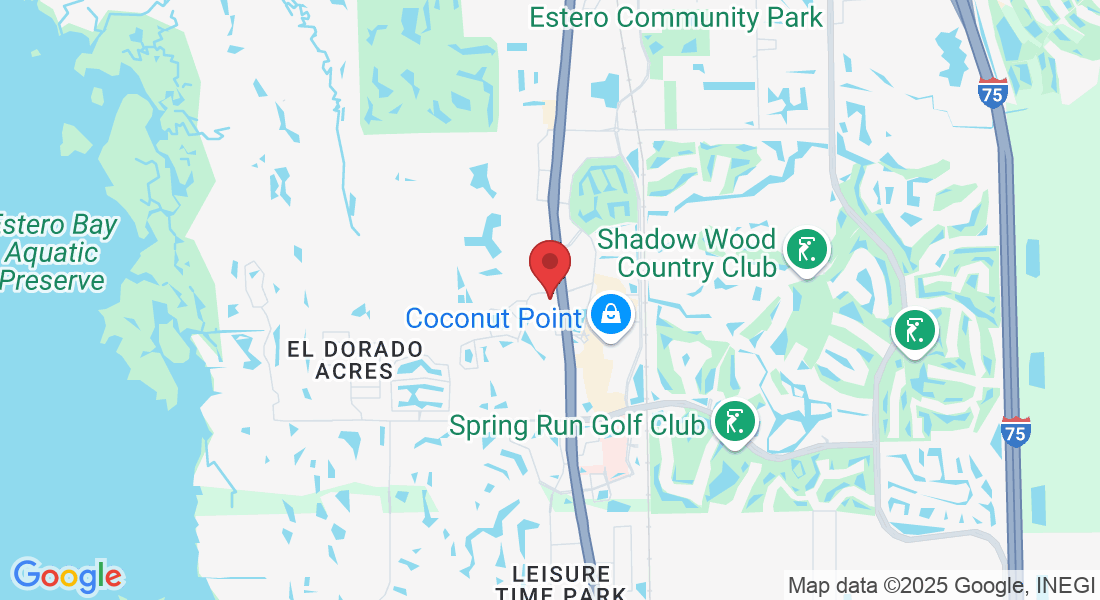
22900 Lyden Dr, Estero, FL 33928
AL# 12921
Privacy Policy | Accessibility Statement | Visitation Policy