
Call Us: (239) 427-1455
This site is for families seeking memory care services. For employment inquiries, visit our Indeed page.
About The Community
Here, you will discover a friendly Respite Care, Memory Care, Alzheimer's Care, and community where every day is celebrated with delicious meals, fun and enriching activities, and an inviting atmosphere that feels like a family get-together. See for yourself and take a virtual tour of our community.
Recognized Excellence in Memory Care Leadership
We're proud to announce that our Director of Sales & Marketing, Jennifer Brady, has been named a 2025 Influential Woman by Influential Women. This recognition highlights Jen's dedication to supporting families through their memory care journey and her commitment to building strong healthcare partnerships throughout Southwest Florida.

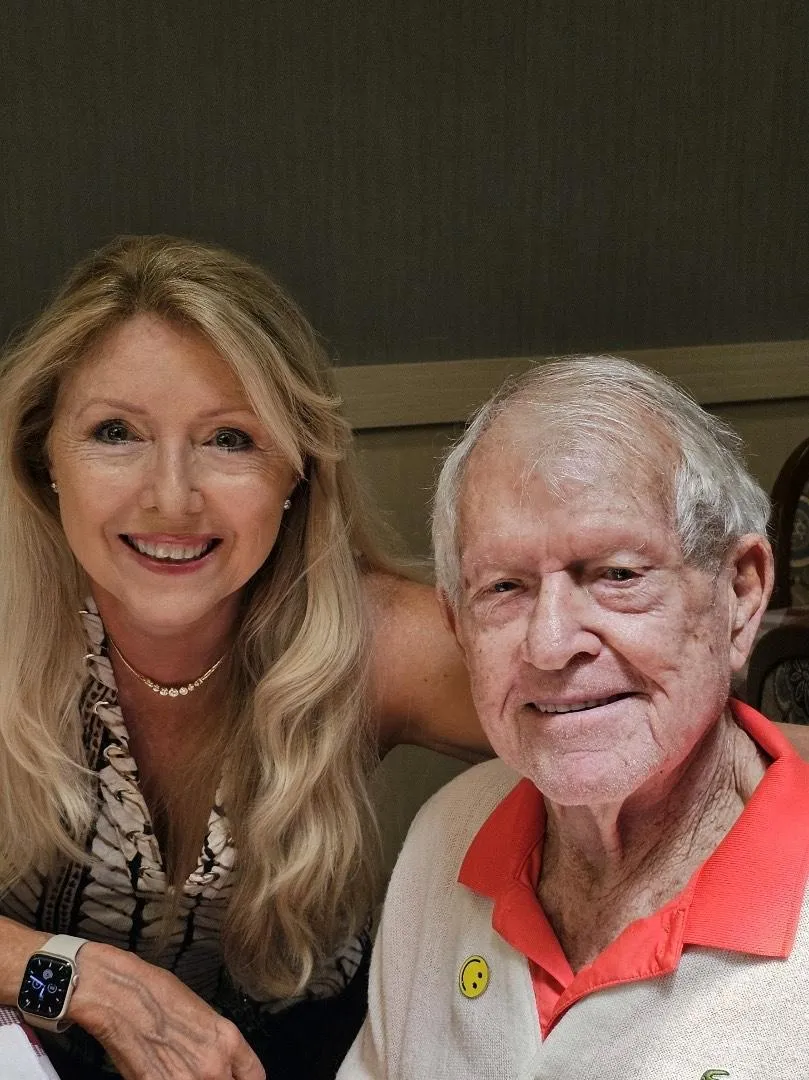
"Gulf Coast Memory has been a blessing for my Father as well as our family. The staff is very caring and compassionate and treat the residents like family. My Father refers to GC as his home and the peace of mind that gives to my family and I is priceless."
Your family's freedom to thrive is our top priority.
Personalized Memory Care in Estero
Our community is designed with comfort and security in mind, featuring private suites, tranquil common areas, and secure outdoor spaces. Every detail supports the dignity and independence of our residents, while offering peace of mind to families.
24/7 on-site care and support
Staff specially trained in dementia care
Personalized daily routines
Family involvement and communication
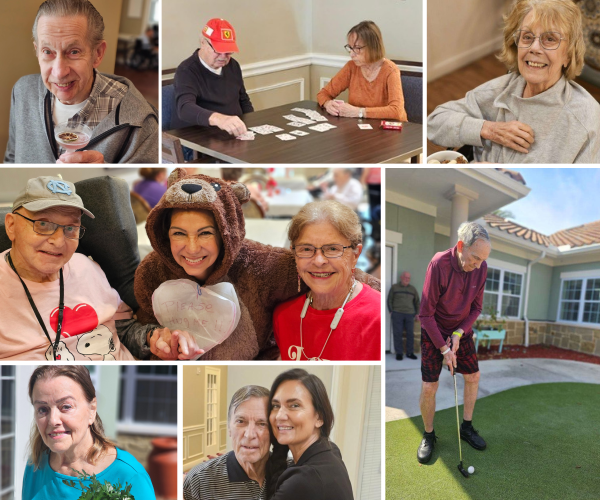
Engaging Daily Activities That Promote Well-Being
Cognitive stimulation, connection, and joy are essential to our residents’ quality of life. Our structured activity programs are crafted to support memory retention, mobility, and emotional well-being.
Art and music therapy
Group and one-on-one activities
Physical and mental stimulation
Brain fitness and memory training
Meals Made With Care, Just Like Home
Every meal is thoughtfully prepared with fresh ingredients. Our culinary team creates comforting, home-style dishes that support each resident’s health and well-being. We accommodate personal tastes and dietary needs, making mealtime both nourishing and enjoyable.

Private, Comfortable Living Spaces for Seniors
Residents enjoy spacious private suites thoughtfully designed for both comfort and safety. Every element, from calming color palettes to personalized decor, helps create a familiar and soothing environment. Each suite features individual climate control, emergency response systems, and an adaptive layout to support accessibility.
Housekeeping and laundry services are included, ensuring a clean, stress-free living space tailored to each resident’s needs.


Smart Wellness Technology
Gulf Coast Memory Care offers Amba Smart Wellness Technology in select rooms, providing discreet monitoring of sleep, movement, and vital signs. With no cameras or microphones, this passive system alerts our care team to unusual activity—supporting early intervention while preserving privacy and independence.
Monitors sleep patterns and vitals
Tracks nighttime movement
Sends alerts for unusual activity
Maintains privacy at all times
When Memory Care Becomes the Best Gift: Making the Decision During the Holidays
Primary Question Answered: Should I wait until after the holidays to move my loved one to memory care, or is now the right time?
The holidays have a way of bringing everything into sharp focus. When the family gathers around the table, you notice things you've been trying not to see. Mom asks the same question five times in ten minutes. Dad wanders into the kitchen at 2am looking for breakfast. The person who once orchestrated every holiday detail now seems confused by the simplest traditions.
And suddenly, the conversation you've been avoiding can't wait any longer.
If you're reading this during the holiday season while wrestling with the memory care decision, you're not alone. December is one of the most common times families begin seriously considering specialized care. The question isn't whether your loved one needs more support—it's whether now is the right time, or if you should wait until after the holidays.
At Gulf Coast Memory Care in Estero, Florida, we walk families through this decision with compassion, honesty, and practical guidance. Here's what you need to know about making one of the most difficult—and loving—decisions of your life.
Why Families Consider Memory Care During the Holidays
The Family Gathering Effect
When relatives visit for the holidays, they often notice changes that daily caregivers have gradually adapted to without realizing how significant the decline has become. Your sister who lives out of state sees immediately that Mom has lost weight. Your adult children notice Grandpa's confusion has worsened dramatically since summer.
These observations, while sometimes painful to hear, can be the catalyst for honest conversations about safety and quality of care.
Caregiver Burnout Reaches a Breaking Point
The holidays add extra demands—shopping, cooking, decorating, hosting—on top of already exhausting caregiving responsibilities. Many family caregivers reach a crisis point in December, recognizing they simply cannot continue at this pace without sacrificing their own health and wellbeing.
The National Institute on Aging provides resources for recognizing and managing caregiver stress.
Safety Concerns Become Undeniable
Holiday hazards like candles, hot stoves, and nighttime wandering in unfamiliar visiting relatives' homes can create dangerous situations. A close call during the holidays often forces families to acknowledge that their current care arrangement isn't sustainable.
The Desire to Give a Meaningful Gift
Some families realize that the greatest gift they can give their loved one—and themselves—is the peace of mind that comes with specialized, 24/7 memory care in a secure, supportive environment.
The Alzheimer's Association provides helpful resources for families navigating the holidays with dementia.
The Question Everyone Asks: "Should We Wait Until After the Holidays?"
This is the most common question we hear in November and December. The answer isn't simple, because every family's situation is unique. Here's how to think through the timing.
Reasons Some Families Choose to Wait
Preserving holiday traditions: The desire to have "one more Christmas" at home with your loved one is deeply understandable and valid.
Avoiding additional stress: Transitions can be challenging, and adding a major move during an already emotional season feels overwhelming.
Guilt and grief: Many families struggle with feelings of guilt about "putting Mom in a home" during the holidays, worried about how it will look to extended family or how their loved one will feel.
The Alzheimer's Association offers guidance on navigating grief and loss throughout the dementia journey.
Reasons Some Families Choose to Move Forward Now
Safety cannot wait: If your loved one is at immediate risk—wandering, falling, forgetting medication, or becoming aggressive—waiting even a few weeks could result in a medical crisis or tragedy.
Caregiver health is failing: If you're on the edge of physical or emotional collapse, waiting will only make the situation worse for everyone.
Quality of life is suffering: If your loved one is isolated, under-stimulated, anxious, or not receiving the specialized care they need, every day matters.
Smoother transition during family visits: Having family present during the transition can actually provide emotional support and help your loved one adjust more comfortably.
Starting fresh in the new year: Some families find that making the move in December allows their loved one to settle in before the new year, rather than facing the transition during the post-holiday letdown in January.
Reframing Memory Care as a Gift
One of the most powerful perspective shifts we see in families is moving from "I'm giving up" to "I'm giving the best possible care."
Memory care isn't about abandonment—it's about specialized support that most families simply cannot provide at home, no matter how much they love their family member.
What Memory Care Truly Offers
Safety and security: A purpose-built environment designed specifically for memory loss, with 24/7 monitoring, secured exits, and staff trained to prevent wandering and respond to emergencies.
Specialized programming: Daily activities designed to engage cognitive abilities, reduce anxiety, and provide joy and purpose through familiar tasks and therapeutic engagement.
Social connection: Opportunities to interact with peers, participate in group activities, and form relationships—reducing the isolation that often accompanies home care.
Professional expertise: Staff trained specifically in dementia care, who understand how to communicate effectively, manage challenging behaviors, and support dignity at every stage.
Relief for family caregivers: The ability to return to being a daughter, son, or spouse rather than a round-the-clock caregiver—preserving your relationship and your own health.
Peace of mind: Knowing your loved one is safe, engaged, and cared for by professionals allows you to sleep at night and be fully present during visits.
At Gulf Coast Memory Care, we've seen countless families describe the move as "the best decision we ever made" once they witness their loved one thriving in an environment designed for their specific needs.
What a Smooth Transition Looks Like
If you decide that now is the right time, here's what you can expect from a memory care community that prioritizes compassionate transitions.
Pre-Move Preparation
Personalized tours: Visit during activity times to see residents engaged and happy. Ask questions. Meet staff. Trust your instincts about whether the environment feels right.
Care assessments: A thorough evaluation of your loved one's needs, preferences, and abilities to create an individualized care plan from day one.
Family involvement: Open communication about your loved one's history, routines, likes, dislikes, and what brings them comfort.
Move-In Day
Familiar items: Bringing cherished belongings—photos, favorite blankets, meaningful objects—helps create immediate comfort in the new space.
Staff support: Experienced team members who know how to ease anxiety, redirect confusion, and help your loved one feel welcomed and safe.
Family presence: You're encouraged to stay as long as needed, participate in activities, and be part of the adjustment process.
The First Few Weeks
Adjustment period: It's normal for there to be an adjustment period. Some residents settle in immediately; others take a few weeks. Professional staff know how to support this transition.
Ongoing communication: Regular updates from staff about how your loved one is adjusting, what activities they enjoy, and any concerns.
Family involvement: Continued visits, participation in activities, and open dialogue with the care team.
At Gulf Coast Memory Care, our GUIDE program provides short-term respite stays that allow families to "try out" memory care before committing, and our 90-day satisfaction guarantee ensures you have peace of mind during the transition period.
How Gulf Coast Memory Care Supports Families Through This Decision
Transparent, Pressure-Free Guidance
We never pressure families to make a decision before they're ready. Our role is to provide honest information, answer your questions, and help you think through what's best for your unique situation.
Specialized Memory Care Expertise
Unlike facilities that offer memory care as an add-on, we are 100% focused on Alzheimer's and dementia care. Every aspect of our community—from our secure courtyards to our Rhythm of Life daily programming—is designed specifically for memory loss.
Family-Centered Approach
We understand that memory care is a family journey. Our monthly family luncheons, support groups, and open communication with staff ensure you remain connected and supported every step of the way.
Proven Programming That Brings Joy
Our Life Stations—gardening club, music corner, baby doll therapy, craft room, and more—engage residents in meaningful activities that honor their lifelong skills and bring genuine happiness. Families consistently tell us they see their loved one more engaged and content than they were at home.
Peace of Mind Through Safety and Staffing
With an 8:1 staff-to-resident ratio across all shifts, 24/7 secured building access, and Amba AI sensors in our Signature Suites, families know their loved one is safe and closely monitored at all times.
Questions to Ask Yourself
If you're trying to decide whether now is the right time, consider these questions honestly:
Is my loved one safe at home right now?
Am I able to provide the level of care and stimulation they need?
Is my own physical or mental health suffering?
Would my loved one benefit from daily social interaction and specialized activities?
Am I avoiding the decision out of guilt, or because waiting truly serves my loved one's best interests?
If something happened to my loved one because I waited, would I be able to forgive myself?
There's no single right answer, but asking these questions can help clarify what's truly best for your family.
Finding Peace in Your Decision
Whether you choose to move forward now or wait a few more weeks, the most important thing is that you're asking the right questions and seeking the best possible care for someone you love.
Memory care isn't giving up. It's giving your loved one a safe, engaging, compassionate environment where they can experience joy, dignity, and quality of life at every stage of their journey.
And it's giving yourself permission to be a family member again—to visit without exhaustion, to share moments of connection without the weight of 24/7 caregiving, and to preserve the relationship that matters most.
Key Takeaways
The holidays often bring clarity about the need for memory care as families gather and notice decline
There's no universal "right time"—the decision depends on safety, caregiver health, and quality of life
Memory care is a gift of specialized support, safety, and dignity—not an abandonment
A smooth transition involves preparation, family involvement, and ongoing communication
Professional memory care communities provide expertise, programming, and peace of mind that home care cannot match
Experience Compassionate Memory Care in Southwest Florida
If you're considering memory care for your loved one, we invite you to visit Gulf Coast Memory Care in Estero. See our Life Stations in action, meet our compassionate staff, and discover how specialized memory care can bring peace, safety, and joy to your family.
Gulf Coast Memory Care22900 Lyden Dr, Estero, FL 33928Next to Coconut Point Shopping Center📞 (239) 427-1455🌐 Schedule a Tour
We're here to answer your questions, support your decision, and walk alongside your family every step of the way.
Related Resources:
FAQ
Q: Is it cruel to move someone to memory care during the holidays?
A: Moving a loved one to memory care is an act of love, not cruelty. If their safety or quality of life is at risk, waiting can actually cause more harm. Memory care communities are designed to provide comfort, engagement, and specialized support that honors dignity.
Q: How long does it take for someone to adjust to memory care?
A: Every person is different. Some residents adjust within days, while others take a few weeks. Professional staff are trained to ease the transition and help residents feel safe and welcomed.
Q: Can I visit during the adjustment period?
A: Absolutely! Family involvement is encouraged and often helps with the transition. Staff will guide you on visit timing and duration based on your loved one's adjustment.
Q: What if I make the move and regret it?
A: At Gulf Coast Memory Care, our 90-day satisfaction guarantee gives you peace of mind. If memory care isn't the right fit, we'll work with you to find the best solution.
Q: Will my loved one be happy in memory care?
A: Many families are surprised to see their loved one more engaged, social, and content in memory care than they were at home. Specialized programming, social interaction, and professional support often lead to improved quality of life.
Q: How do I know if now is the right time?
A: If safety is a concern, caregiver health is failing, or quality of life is suffering, now may be the right time. Schedule a tour and speak with memory care professionals who can help you assess your unique situation.

Get In Touch
Looking for more information about Gulf Coast Memory Care? Complete the following form and someone from our office will follow up with you shortly.



Gulf Coast Memory Care
(239) 427-1455
22900 Lyden Dr, Estero, FL 33928
AL# 12921
Privacy Policy | Accessibility Statement | Visitation Policy