Care Homes and Dementia: Your Essential Guide
A dementia diagnosis doesn't mean an end to a joyful, fulfilling life. In fact, the right environment can unlock new moments of connection, purpose, and happiness. Many people believe that moving into care is a final, sad step, but this is a common myth. The truth about modern care homes and dementia is that they are vibrant communities designed to enhance quality of life. With therapeutic programming, safe social opportunities, and expert staff, residents can feel engaged and successful every day. This guide will show you how the right community can provide a setting for your loved one to truly thrive.
Key Takeaways
Safety and Stress Are Your Cues: When you find yourself constantly worried about wandering, falls, or medication errors, or when your own well-being is suffering from caregiver burnout, it’s a clear sign that the current home environment is no longer enough.
Look for Purpose, Not Just a Wing: A community 100% dedicated to memory care is fundamentally different from an assisted living facility with a secured wing. Prioritize places with purpose-built environments, dementia-specific staff training, and therapeutic programming.
Choosing Care Is Gaining Support, Not Giving Up: Moving a loved one to a specialized community isn't a failure; it's a decision to provide them with expert care while allowing you to be a family member again. It ensures they are safe, engaged, and respected, bringing peace of mind to everyone.
How Dementia Changes Daily Life
Watching a loved one change is one of the hardest parts of a dementia diagnosis. What often starts as small, forgetful moments can gradually shift the entire landscape of daily life. Understanding these changes is the first step toward providing the right support and ensuring your family member remains safe, comfortable, and respected through every stage of their journey. It’s not about what’s been lost, but about how to adapt to what is needed now.
Key symptoms and stages
Dementia isn’t just about memory loss. It’s a progressive condition that also causes confusion and changes in behavior and thinking. In the early stages, you might notice your loved one struggling to find the right words or misplacing items more frequently. As the condition advances, these challenges deepen, making it harder to follow conversations, complete familiar tasks, or recognize people and places. Each person’s journey is unique, but the progression typically means that what was once manageable at home eventually requires a more supportive approach to memory care.
The impact on independence and safety
As dementia progresses, a person’s ability to live independently diminishes. Simple daily routines—like preparing a meal, managing medications, or even getting dressed—can become overwhelming and confusing. This creates significant safety risks. A forgotten pot on the stove, a missed dose of essential medication, or a fall can have serious consequences. In the middle to late stages, round-the-clock supervision often becomes necessary to prevent wandering and ensure basic needs are met. The home that was once a source of comfort can become a place of potential hazards, making a secure environment essential for their well-being.
When care at home is no longer enough
Making the decision to move a loved one into a care home is deeply personal, but it often comes when their safety and health can no longer be guaranteed at home. If you find yourself constantly worried about falls, nutrition, or wandering, it may be time to explore other options. Caregiver burnout is also a real and valid reason to seek help; you cannot pour from an empty cup. The question isn't whether you love them enough to keep them home, but whether the home environment can still provide the level of care they truly need. When the risks begin to outweigh the benefits, it’s a sign to explore a community built specifically for their needs.
Knowing When It's Time for Memory Care
Making the decision to move a loved one into memory care is one of the most difficult choices a family can face. There’s no single moment that tells you "it's time." Instead, it’s often a series of small but significant changes that signal when the care they need has surpassed what you can provide at home. Recognizing these signs is the first step toward finding a solution that offers safety, dignity, and peace of mind for everyone.
The transition isn't about giving up; it's about getting your loved one the specialized support they need to live well, while allowing you to be a daughter, son, or spouse again, instead of a full-time caregiver. Understanding these key turning points can bring clarity to a confusing and emotional process.
Rising safety concerns and wandering risks
Your loved one’s home should be their sanctuary, but when memory changes, it can become a place of hidden dangers. You might notice an increase in close calls—a pot left on the stove, medication being missed or taken incorrectly, or frequent falls. These incidents are often the clearest indicators that their environment is no longer safe for them. As dementia progresses, their judgment and awareness of their surroundings can decline, making everyday tasks a risk.
One of the most pressing concerns for families is wandering. A person with dementia can easily become disoriented, even in a familiar neighborhood, and may leave the house without warning. When you find yourself constantly worried about their physical safety, a secure, purpose-built environment is necessary. A specialized memory care community is designed to prevent wandering while still allowing for freedom of movement in a safe and monitored space.
Managing caregiver burnout and family stress
Caring for someone with dementia is a demanding role that can take a significant toll on your own health and well-being. You may be juggling your job, your own family, and the increasing needs of your loved one. If you feel constantly exhausted, stressed, or resentful, you may be experiencing caregiver burnout. This isn't a personal failure; it's a natural response to an unsustainable situation.
When your loved one’s needs become 24/7, requiring constant supervision and assistance with personal care, it’s often more than one person can handle. The stress of caregiving can impact your physical health, emotional stability, and relationships. Choosing memory care means you’re not just finding support for your loved one—you’re building a support team for your entire family, allowing you to focus on connection and quality time again.
Addressing medical and behavioral needs
As dementia advances, it can bring complex medical and behavioral challenges. Your loved one may develop new health issues that require skilled medical attention, or their behavior may change in ways that are difficult to manage at home. Increased agitation, aggression, anxiety, or severe confusion are common symptoms that often require professional expertise and a structured routine to soothe.
When you can no longer manage their medical needs or de-escalate challenging behaviors on your own, it’s time to seek specialized care. The right community has staff trained specifically in dementia communication and behavioral support. They understand how to respond with patience and compassion, and their daily programming and activities are designed to reduce anxiety and provide positive engagement. This level of expert care ensures your loved one’s complex needs are met with dignity and skill.
What Are Your Dementia Care Options?
When you realize your loved one needs more support, the next step is figuring out what kind of care is right for them. The options can feel overwhelming, but they generally fall into a few categories: communities entirely dedicated to memory care, assisted living facilities with a memory care wing, and nursing homes with special units. Each offers a different level of support, a different environment, and a different approach to daily life.
The key is to look beyond the labels and understand how the staff, the physical space, and the daily routines are designed to support someone living with dementia. While many places can provide supervision, only a specialized memory care community is built from the ground up to address the unique cognitive, emotional, and physical needs that come with memory loss. The right choice depends on finding an environment that not only keeps your loved one safe but also helps them feel calm, engaged, and understood.
Specialized memory care vs. general assisted living
Many families first look at assisted living, which is designed for seniors who need help with daily tasks but are otherwise independent. Some of these facilities have a separate, secured "memory wing." While this is an option, it’s very different from a community that is 100% focused on memory care. In a specialized community, every single detail—from the floor plans and lighting to staff training and daily activities—is intentionally designed for cognitive support.
One common fear is that memory care leads to isolation. The opposite is true. A purpose-built supportive environment actually encourages safe social interaction and independence. Instead of adapting a general senior living model, specialized communities create a world where residents can thrive.
Nursing homes with dedicated dementia units
A nursing home is primarily a medical facility for individuals with complex health conditions requiring 24/7 skilled nursing. Some nursing homes have Dementia Special Care Units (DSCUs), which are designated areas for residents with cognitive decline. Research shows these units can offer a better quality of care than a standard nursing home setting.
However, the overall environment remains clinical and is not purpose-built to soothe or engage someone with dementia. While a DSCU can manage medical needs, it may not have the same focus on holistic wellness, therapeutic programming, and creating a calming, home-like atmosphere that reduces anxiety and confusion. The primary focus is medical stability rather than quality of life.
Understanding the differences in environment and care
The most important difference between care options isn't just the name on the door—it's the philosophy behind the care. In a general facility, dementia care might mean a locked wing and a few adapted activities. In a specialized memory care community, the entire day is structured to provide comfort, purpose, and connection. Staff are trained specifically in dementia communication and behaviors, not just general senior care.
The environment itself becomes a tool for care. Clear pathways reduce confusion, secure courtyards allow for safe wandering, and quiet spaces prevent sensory overload. Activities are therapeutic, designed to tap into remaining skills and bring moments of joy. The best way to understand this distinction is to see the difference for yourself and feel how a purpose-built community creates a sense of peace.
What to Look For in a Dementia Care Home
Choosing a care home for a loved one with dementia is one of the most important decisions you’ll make. It’s about more than just a safe building; it’s about finding a community that understands, supports, and enriches your family member’s life. While many senior living facilities have a memory wing, a truly specialized community is built from the ground up for cognitive support. As you begin your search, focus on four key areas that separate adequate care from exceptional care.
A community’s true value is found in its people, its environment, its daily rhythm, and its connection to you. The right place will have a team with deep expertise in dementia, a physical space designed to soothe and prevent confusion, and a schedule of activities that brings purpose and joy. Most importantly, they will see you as a partner, communicating openly and supporting your family through every step. Thinking about these elements will help you find a place where your loved one can truly thrive.
Staff expertise in dementia care
The quality of a memory care community comes down to the people providing the care. Look for a team that has received specialized training in dementia behaviors, communication strategies, and safety protocols. General senior care experience is not enough. Ask how the staff is trained to respond to sundowning, anxiety, or wandering with patience and compassion. An expert team knows how to connect with residents on their terms, validating their feelings and gently redirecting them. This level of specialized memory care ensures your loved one is treated with dignity and understanding, not just managed. A well-trained staff creates a culture of respect that you can feel the moment you walk in the door.
A secure and calming environment
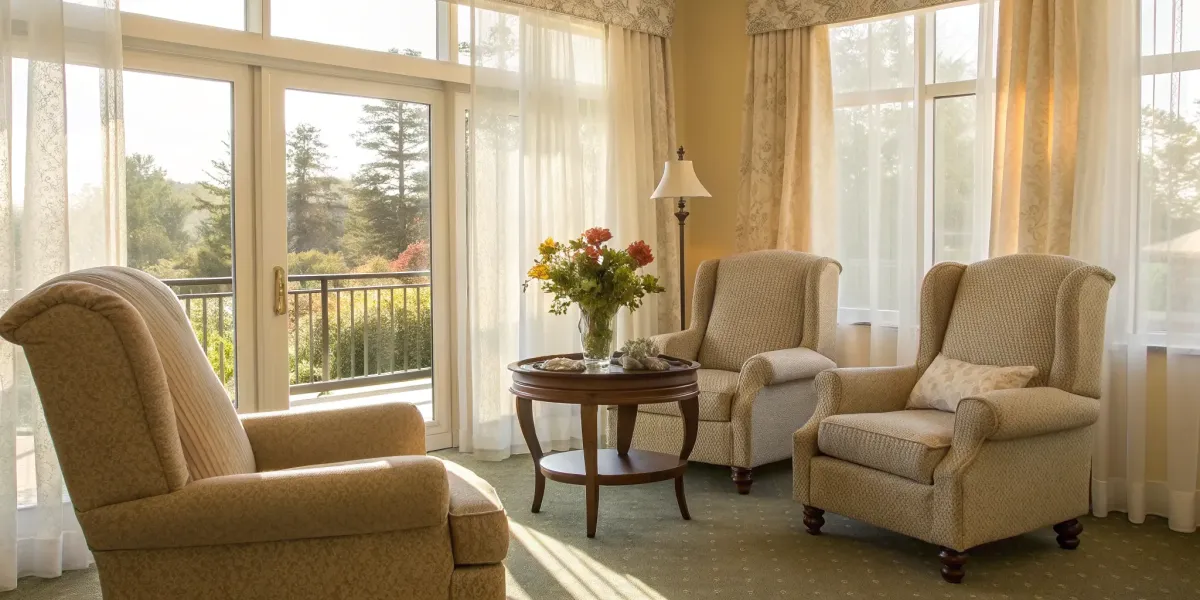
When memory changes, the environment must change, too. A purpose-built memory care community is designed to reduce stress and support independence safely. Forget the myth of cold, clinical facilities; modern communities are warm, welcoming, and feel like home. Look for features like secure courtyards for safe outdoor access, clear walking paths to prevent falls, and calming color palettes to minimize sensory overload. Good design also includes things you might not notice at first, like non-glare flooring and clear sightlines that help residents feel oriented and at ease. Our community is intentionally designed to provide this sense of peace, helping residents feel secure and comfortable in their surroundings.
Daily programming and engaging activities
A fulfilling life doesn’t stop with a dementia diagnosis. High-quality memory care homes offer a robust schedule of daily activities that are both enjoyable and therapeutic. These programs go far beyond bingo. Look for purposeful engagement like music therapy, sensory activities, light exercise, and art projects that tap into remaining abilities and spark positive emotions. These specialized activities are crucial for supporting cognitive health and emotional wellness. They can help improve mood, reduce agitation, and give residents a sense of accomplishment and connection. The goal is to fill each day with moments of joy, purpose, and success, tailored to each resident’s individual interests and needs.
Clear family communication
When you choose a memory care community, you’re not just finding a place for your loved one—you’re gaining a support team for your entire family. A great community sees you as an essential partner in care. Look for a team that prioritizes open and consistent communication, providing regular updates on your loved one’s well-being and involving you in care planning. They should be available to answer your questions and offer resources to help you navigate this journey. This partnership is built on trust and transparency, alleviating common fears and ensuring you feel confident in your decision. The best way to gauge this is to schedule a visit and see how the team interacts with residents and their families.
Why Specialized Memory Care Makes a Difference
When memory changes, the environment must change, too. While many assisted living facilities have a “memory care wing,” it’s often just a small, secured extension of a larger, more generalized community. A specialized memory care community is different from the ground up. Every detail—from the layout of the building and the specialized training of the staff to the structure of the day—is 100% focused on supporting those with Alzheimer’s and dementia. This isn't an add-on service; it's the entire purpose.
This dedicated approach isn't about limiting a person's world; it's about making their world safer, calmer, and more engaging. It replaces the anxiety and confusion that often come with memory loss with a sense of security and purpose. For families, this means moving from a state of constant worry to a feeling of profound relief, knowing their loved one is in a place that truly understands their needs. It’s a shift from simply managing a condition to enhancing a person's quality of life with dignity and compassion. You're not just finding a safe room; you're finding a community built for this moment.
Purpose-built spaces that calm and engage
For someone living with dementia, a typical environment can be overwhelming. Loud noises, confusing hallways, and excessive stimulation can trigger anxiety and agitation. That’s why specialized memory care communities are designed to be therapeutic. Every element is intentional, from calming color palettes and secure outdoor courtyards to clear sightlines that help with orientation. These purpose-built spaces reduce sensory overload and provide safe, accessible areas for residents to walk freely, connect with nature, and feel at ease. The goal is to create a supportive setting that minimizes distress and promotes a sense of peace and independence.
Tailored programming and therapeutic activities
Meaningful engagement is essential for cognitive health and emotional well-being. Unlike the generic activities found in many senior living homes, the programming in a memory care community is specifically designed to connect with individuals living with dementia. These are not just ways to pass the time; they are therapeutic activities like music therapy, sensory exercises, and reminiscence sessions that can spark joy, improve mood, and reduce agitation. By tapping into long-term memories and engaging the senses, these tailored programs help residents feel successful, valued, and connected to the world around them.
Structured routines to reduce confusion
Predictability creates comfort. When short-term memory is impaired, a lack of routine can be disorienting and stressful. Specialized memory care provides a structured yet flexible rhythm to the day, which helps residents feel secure and grounded. This gentle routine—with consistent times for meals, activities, and rest—creates a sense of stability that can significantly reduce confusion and anxiety. Knowing what to expect next helps residents navigate their day with more confidence and less agitation, allowing them to conserve cognitive energy for positive and engaging interactions.
Personalized care that honors the individual
One of the biggest fears families have is that their loved one will lose their identity in a care community. True memory care works to prevent this by honoring the individual behind the diagnosis. The best care teams take the time to learn each resident’s life story, preferences, and personal history. Do they love classical music? Were they an avid gardener? What soothes them when they feel anxious? This deep understanding allows caregivers to provide truly personalized care that respects their dignity and celebrates who they are, ensuring they feel seen, heard, and valued every single day.
Finding Support and Resources for Your Family
You are not alone on this journey. Making the decision to move a loved one into memory care is one of the most significant choices a family can make, and it comes with a host of questions about logistics, finances, and emotions. The good news is that a wealth of support is available to guide you. From national organizations with 24/7 hotlines to local groups of people who understand exactly what you’re going through, finding the right resources can bring clarity and peace of mind. This support system is crucial not just for your loved one, but for you and your entire family as you adapt to this new chapter.
Navigating this path requires both practical tools and emotional resilience. You'll need clear information about care options, financial planning, and legal considerations. At the same time, you'll need a space to process the complex feelings that come with caregiving. The resources below are designed to address both of these needs, connecting you with expert advice and a community of support. Think of these as your first steps toward building a network that will sustain you and your loved one for the road ahead. At Gulf Coast Memory Care, we also consider ourselves one of those trusted partners for families in Southwest Florida.
Local and national Alzheimer's associations
Organizations like the Alzheimer's Association are an invaluable first stop for families. They provide credible, up-to-date information and direct support when you need it most. You can call their 24/7 Helpline at 800.272.3900 to speak with a specialist who can offer advice and compassionate listening any time of day or night. Their website also features a Community Resource Finder, an excellent online tool that helps you locate local services, from day programs to residential care communities in your area. These associations are dedicated to helping families understand the disease, plan for the future, and find quality care, making them an essential part of your support network.
Understanding your financial options
Figuring out how to pay for long-term care is a major concern for most families. While many pay out-of-pocket, it’s important to explore all available financial avenues. Some families use long-term care insurance policies, while others may qualify for Veterans benefits or Medicaid. One common point of confusion is Medicare; it’s critical to know that Medicare does not cover the cost of residential or "custodial" care in a memory care community. It only covers short-term skilled nursing care after a qualifying hospital stay. If you have concerns about affording care long-term, speaking with an elder law attorney can provide clarity on options like Medicaid planning and asset protection.
Connecting with support groups
The emotional side of this journey can be just as challenging as the practical side. It’s completely normal to feel a mix of guilt, sadness, and even relief when a loved one moves into a care community. Connecting with others who have been in your shoes can make a world of difference. By joining a support group, you can share your experiences in a safe, non-judgmental space and learn coping strategies from other caregivers. Taking care of your own well-being is not selfish—it’s essential. Allowing yourself to take breaks and lean on others for support will help you remain a strong and positive presence in your loved one’s life.
Common Myths About Memory Care
Making the decision to move a loved one into memory care is challenging enough without navigating the cloud of misinformation that often surrounds it. Many families hesitate because of common myths about what life inside a care community is really like. The truth is, modern, specialized memory care is designed to enhance life, restore dignity, and provide peace of mind for everyone. Let’s clear up a few of the biggest misconceptions.
Myth vs. Reality: Quality of life and connection
One of the most persistent myths is that memory care communities are lonely, sterile environments where residents lose their sense of self. The reality is quite the opposite. A community that is 100% focused on memory care is built to foster connection and purpose. Daily life is filled with engaging programs designed to stimulate memory and bring joy, from music and art therapy to gentle fitness and sensory activities. Rather than being isolated at home, residents are surrounded by peers and supported by a team that understands their needs, creating opportunities for friendship and meaningful moments every day.
Why moving to care is gaining support, not giving up
Many caregivers feel a deep sense of guilt, believing that choosing professional care is the same as giving up. This couldn't be further from the truth. You’re not giving up; you’re gaining a dedicated team. Providing care at home often becomes unsafe and emotionally draining, straining family relationships. Moving your loved one into a secure, supportive environment allows you to step back into your role as a spouse, daughter, or son. It ensures they receive expert, 24/7 specialized memory care while you get the peace of mind you deserve, knowing they are safe, engaged, and happy.
How to address fears about cost and quality
It’s easy to assume that all care homes are the same and that high-quality care is simply unaffordable. While cost is a valid concern, it’s crucial to understand that not all communities are created equal. A facility with a small memory care wing is fundamentally different from one that is purpose-built for dementia care. Investing in a specialized environment with expertly trained staff prevents future crises, reduces hospitalizations, and provides a level of safety that home care often cannot match. The best way to understand the value is to see it for yourself. We invite you to schedule a tour and feel the difference a truly dedicated community makes.
How to Prepare for the Move to Memory Care
Making the decision to move a loved one into memory care is a significant step, filled with emotion and logistical details. Preparing thoughtfully can make the transition smoother and more peaceful for both you and your family member. This process is about creating a bridge to a new chapter, ensuring your loved one feels safe, supported, and understood from day one. By focusing on clear communication, asking the right questions, and personalizing their new space, you can help them settle into a community designed to support their well-being and bring your family peace of mind.
Starting the conversation with your loved one
Approaching the topic of moving requires immense sensitivity and compassion. It’s completely normal to feel a mix of emotions, from guilt and sadness to relief. The Alzheimer's Society notes that these feelings are a common part of the process. Frame the conversation around their safety and well-being. Instead of focusing on what’s being left behind, talk about what they will gain: a supportive environment, new opportunities for engagement, and specialized care from people who understand their needs. Use phrases like, “a place that can keep you safe and active” or “a community with people trained to help you feel your best.” The goal is to present the move not as an end, but as a new form of support.
Key questions to ask on your tour
Your tour is more than just a walk-through; it’s your chance to gather crucial information and get a true feel for the community. Come prepared with a list of questions to ensure the environment is the right fit. The Alzheimer's Association suggests asking about staff training in dementia care, the staff-to-resident ratio, and how the team handles challenging behaviors.
Other important questions include:
What does a typical day look like for residents?
How is medical care managed and coordinated?
How do you communicate with families about a resident’s well-being?
What are the specific security measures in place to prevent wandering?
When you schedule a tour, pay close attention to the interactions between staff and residents. Do they feel warm, patient, and respectful? A community’s heart is its people.
What to expect as your loved one settles in
The first few weeks in a new environment are an adjustment period. To ease the transition, make their new space feel like home. Bring cherished photos, a favorite blanket, and familiar decor. Share your loved one’s personal history, preferences, and daily routines with the care team—the more they know, the better they can provide personalized, comforting care. Plan to visit often, especially in the beginning, to provide a familiar and reassuring presence. A consistent routine is key to helping them feel secure. Over time, you’ll likely see them begin to participate in activities and form connections within our community, finding a new sense of purpose and belonging.
Related Articles
Memory Care Insights: Navigating Caregiver Challenges in Senior Living
The Ultimate Dementia Caregiver Checklist – What You Need to Know
Frequently Asked Questions
What's the real difference between a "memory care wing" and a community that's 100% focused on memory care? Think of it as the difference between a general practitioner and a heart specialist. While an assisted living facility with a memory wing can provide supervision, a community entirely dedicated to memory care has a deeper level of expertise. Every single staff member, from the care team to the chef, is trained in dementia communication and support. The building, daily activities, and even the meals are all intentionally designed to help residents feel calm, successful, and understood.
My loved one is still in the early stages of dementia. Is it too soon for memory care? Many families find that moving sooner, rather than later, makes for a much smoother transition. When a person moves in during the earlier stages, they can actively participate in the process, get to know the staff, and form friendships with other residents. This proactive approach avoids waiting for a crisis, like a fall or a wandering incident, and allows your loved one to adapt to their new home with more ease and less confusion.
How can I stay involved in my loved one's care after they move in? Choosing a memory care community means you’re gaining a care partner, not handing over control. A great community will see you as a vital part of the team. You can expect regular communication, invitations to care plan meetings, and encouragement to visit as often as you'd like. This allows you to step back from the stress of being a 24/7 caregiver and simply enjoy quality time with your family member again.
What makes the environment in a specialized community safer than my loved one's home? While home is familiar, it wasn't designed to support the changes that come with memory loss. A purpose-built community incorporates safety features that go far beyond grab bars. You'll find secure courtyards that allow for safe wandering, layouts that minimize confusion, and flooring and lighting designed to reduce the risk of falls. These intentional details create a space where residents can maintain a sense of independence without the risks that are present in a typical home.
How does your staff handle challenging behaviors like agitation or confusion? Our approach is rooted in compassion and understanding. Instead of simply reacting to a behavior, our expertly trained team works to understand its cause. Is the person in pain, feeling overwhelmed, or trying to communicate a need? We respond by validating their feelings and gently redirecting their attention to something soothing or engaging. This skilled approach de-escalates situations with dignity and helps residents feel safe and heard.
