
Call Us: (239) 427-1455
This site is for families seeking memory care services. For employment inquiries, visit our Indeed page.
Support for Families Living with Memory Loss
Connect with compassionate people, supportive places, and enriching programs across Southwest Florida.
Support for Families Living with Memory Loss
Connect with compassionate people, supportive places, and enriching programs across Southwest Florida.



We're Here to Support Your Entire Journey
At Gulf Coast Memory Care, we know that exceptional care is built on three pillars: dedicated people, supportive places, and meaningful programs. Our trusted partners share these values—providing compassionate support, safe environments, and enriching services for families navigating Alzheimer’s and dementia care in Southwest Florida.
Explore services that can provide comfort, clarity, and confidence in every step of the journey. We're proud to connect you with a community that truly cares.
100% Focused on Memory Care
Our specialty is exclusively dedicated to serving families affected by dementia and Alzheimer's disease. This focus allows us to provide unmatched expertise and compassionate understanding.
Partner Directory
Discover trusted organizations dedicated to supporting families throughout Southwest Florida. Each partner has been carefully selected for their commitment to excellence in dementia and Alzheimer's care.
Alzheimer's Association
The Alzheimer’s Association is the leading nonprofit dedicated to Alzheimer’s care, support, and research. While they do not provide direct referrals, they offer families reliable information, education programs, support groups, and a 24/7 Helpline for anyone facing Alzheimer’s or other dementias.
Alzheimer's Support Network
The Alzheimer’s Support Network is a Naples-based nonprofit dedicated to supporting families and individuals affected by Alzheimer’s and related dementias. They offer free support groups, one-on-one counseling, educational workshops, and a welcoming community for care partners and loved ones. Their mission is to provide hope, guidance, and connection at every stage of the journey.

Amba
Amba empowers senior living communities to deliver safer, more personalized care by turning daily patterns into real-time insights — without cameras or wearables. Our discreet sensors help caregivers detect changes early, reducing incidents and improving resident stability. For residents, it means dignity; for caregivers, confidence; for families, peace of mind. Amba transforms data into understanding, helping communities strengthen outcomes and elevate the human connection at the heart of great care.

Aqualand Clinical Research
"At Aqualane Research, we’re dedicated to improving lives through cutting-edge clinical trials. Join us on the forefront of scientific innovation and make a meaningful impact on patient care. We’re committed to uncovering breakthrough treatments that transform the lives of those living with neuropsychiatric conditions. Our research is driven by innovation, collaboration, and a deep commitment to patient well-being."

Doctors Hearing
Doctor’s Hearing provides comprehensive hearing care to adults and seniors throughout Southwest Florida. Their experienced audiologists offer hearing evaluations, hearing aid fittings, and ongoing support to improve communication and quality of life for those with hearing loss. Personalized care and the latest technology ensure every patient receives the best possible outcome.
Dr. Piper Center
The Dr. Piper Center for Social Services is a Fort Myers-based nonprofit dedicated to enhancing the social and economic well-being of seniors and vulnerable adults in Southwest Florida. Through programs like senior companionship, foster grandparenting, and volunteer opportunities, the Center helps older adults remain active, engaged, and supported in their communities.

Gulfshore Home Care
Gulf Shore Private Home Care provides compassionate, personalized in-home care services for seniors across Southwest Florida. Their experienced caregivers assist with daily activities, companionship, and specialized support, helping individuals remain safe and independent in the comfort of their own homes. Gulf Shore is dedicated to enhancing quality of life and peace of mind for both clients and their families.
If you know a local organization that should be featured here, please contact Jen at (239) 427-1455.
Is It The Right Time For Memory Care?
Learn more about memory care and get personalized results in this quick 4-5 minute survey.
Featured Partner

Why We Trust
Coming soon....
Educational Resources for Families
Explore free educational guides and articles to support your family’s journey.
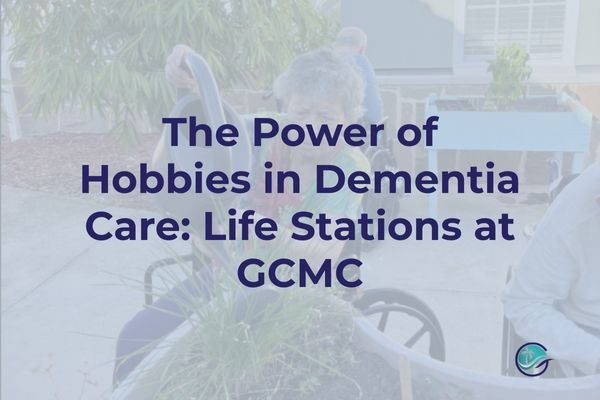
The Power of Hobbies in Dementia Care: Life Stations at GCMC
When dementia takes memories, it can feel like it takes identity too. The gardener who spent weekends tending roses. The musician who played piano every evening. The mother who rocked babies to sleep. These weren't just activities—they were expressions of who someone was. At Gulf Coast Memory Care in Estero, Florida, we believe that dementia doesn't erase identity; it changes how people access it. That's why we've created Life Stations—therapeutic spaces designed to reconnect residents with the hobbies, roles, and activities that once defined them.
What Are Life Stations?
Therapeutic Spaces That Honor Identity
Life Stations are designated areas throughout GCMC where residents can engage in meaningful, identity-affirming activities. These aren't generic "arts and crafts" tables. They're intentionally designed environments that tap into long-held interests, skills, and emotional connections—even when cognitive abilities have declined.
Our Life Stations Include:
Gardening Club: Raised beds, potting stations, and sensory plants
Baby Doll Therapy Station: Lifelike dolls that activate nurturing instincts
Music Corner: Instruments, record players, and era-specific playlists
Craft and Hobby Room: Painting, knitting, and other craft materials
Flower Arranging Station: Creating beautiful arrangements
Sorting and Organizing Stations: Silverware sorting, laundry folding, and familiar domestic tasks
Kitchen Connections: Washing vegetables, stirring ingredients, and setting tables
Reading Nook: Large-print books, magazines, and comfortable seating
Therapy Dog Visits: Scheduled interactions with certified therapy animals
Why They Work: Life Stations engage procedural memory—the type of memory that controls learned skills and habits. Even when someone can't remember their daughter's name, their hands remember how to knead dough, strum a guitar, or fold laundry. These stations honor what remains rather than focusing on what's lost.
The Science Behind Hobby-Based Therapy
Why Familiar Activities Matter for the Brain
Research shows that engaging in familiar hobbies and activities provides significant cognitive and emotional benefits for people with dementia.
The National Institute on Aging provides research on therapeutic activities for dementia.
Neurological Benefits:
Procedural Memory Activation: Skills learned over a lifetime (playing piano, gardening, sewing) are stored differently than factual memories and often persist longer.
Dopamine Release: Successful completion of familiar tasks triggers reward centers in the brain, improving mood and motivation.
Reduced Anxiety: Familiar activities provide comfort and predictability, lowering stress hormones.
Sensory Stimulation: Hobbies engage multiple senses simultaneously, creating rich neural activation.
Emotional and Social Benefits:
Identity Preservation: Engaging in lifelong hobbies reinforces sense of self.
Purpose and Contribution: Residents feel useful and valued.
Social Connection: Shared activities create opportunities for interaction.
Reduced Behavioral Issues: Meaningful engagement decreases agitation, wandering, and aggression.
What Research Shows: Studies demonstrate that residents who participate in meaningful activities experience fewer behavioral incidents, require less medication for anxiety and agitation, and report higher quality of life—even in moderate to advanced dementia stages.
Life Stations at GCMC: A Closer Look
Gardening Club
Why It Works: Gardening taps into deep procedural memory. The feel of soil, the rhythm of watering, the satisfaction of nurturing growth—these experiences are visceral and comforting. For residents who spent decades gardening, this activity reconnects them with a core part of their identity.
What Residents Do:
Plant flowers and herbs in raised beds
Water and tend to plants in our interior courtyards
Harvest herbs used by our chef in meals
Engage in sensory experiences (touching leaves, smelling flowers)
Experience the therapeutic benefits of nature and sunlight
Real Impact: We've seen withdrawn residents come alive in the garden. A man who rarely spoke began sharing gardening tips with staff. A woman with advanced dementia smiled while touching lavender plants, her face peaceful and content. These moments matter.
Baby Doll Therapy Station
Why It Works: For many residents—especially women who were mothers—nurturing is a deeply ingrained role. Baby doll therapy activates caregiving instincts, providing comfort, purpose, and emotional regulation.
What Residents Do:
Hold, rock, and care for lifelike dolls
"Feed" and "dress" the dolls
Experience the calming effects of nurturing behavior
Engage in gentle conversation with staff about "their baby"
Real Impact: Residents who are anxious or agitated often calm immediately when given a doll to hold. The act of rocking, soothing, and caring for something activates deep emotional memories and provides profound comfort. This isn't about pretending they have a real baby—it's about honoring the caregiver role that shaped their lives.
Important Note: Baby doll therapy is offered respectfully and only to residents who respond positively. It's never forced or used in a way that feels demeaning.
Music Corner
Why It Works: Music is one of the most powerful tools in dementia care. Musical memory is stored across multiple brain regions, making it remarkably resilient even in advanced stages. A person who can't remember their own name may sing every word of a song from their youth.
Research published by the National Institutes of Health shows music therapy improves mood, reduces anxiety, and enhances memory recall in Alzheimer's patients.
What Residents Experience:
Live music performances from local artists
Access to a grand piano
Personalized playlists from their favorite eras
Group sing-alongs and music therapy sessions
Opportunities to play instruments they once loved
Real Impact: Music transforms residents. We've seen individuals who haven't spoken in months suddenly sing along to Frank Sinatra. A former pianist whose hands trembled with uncertainty found confidence when placed at a keyboard. Music doesn't just entertain—it reconnects people with themselves.
Craft and Hobby Room
Why It Works: Creative activities engage fine motor skills, visual processing, and decision-making. For residents who loved painting, knitting, woodworking, or crafting, these activities provide continuity with their former lives.
What Residents Do:
Painting and drawing (watercolors, acrylics, coloring)
Knitting, crocheting, and needlework
Simple projects
Collage and scrapbooking
Sensory crafts (textured materials, clay)
Real Impact: The goal isn't perfection—it's engagement. A resident who paints abstract shapes may not create a recognizable image, but the process of choosing colors, moving a brush, and creating something brings joy and purpose. Staff celebrate effort and participation, not outcome.
Therapy Dog Visits
Why It Works: Animals provide unconditional love, sensory stimulation, and emotional connection without requiring verbal communication. For residents with dementia, interacting with therapy dogs offers comfort, joy, and a sense of normalcy.
What Residents Experience:
Scheduled visits from certified therapy dogs
Opportunities to pet, brush, and interact with animals
Emotional connection and companionship
Reduced anxiety and increased smiles
Real Impact: Residents who are withdrawn or unresponsive often light up around therapy dogs. The simple act of petting a dog, feeling its warmth, and receiving affection creates profound moments of connection. We've seen residents who rarely smile break into laughter when a therapy dog nuzzles their hand.
How Life Stations Fit Into the Rhythm of Life
Integration with Daily Programming
Life Stations aren't isolated activities—they're woven into our Rhythm of Life programming, which runs from 8 AM to 7 PM daily. This structured schedule ensures residents have consistent opportunities to engage in meaningful activities throughout the day.
Daily Schedule Integration:
Morning: Gardening club, music sessions, craft activities
Afternoon: Baby doll therapy, reading time, hobby engagement
Evening: Calming activities, music, sensory experiences
Personalization: Not every resident participates in every Life Station. Our team learns each resident's history, preferences, and abilities, then personalizes activity recommendations. A former teacher may love the reading nook. A lifelong gardener gravitates toward the garden. A mother of six finds comfort in baby doll therapy.
Flexibility: Residents can engage with Life Stations at their own pace. Some participate actively; others observe. Both are valuable. The goal is engagement at whatever level feels comfortable.
Benefits for Families
What Families Notice
When residents engage meaningfully in Life Stations and hobbies, families see real changes:
During Visits:
Residents have something to share and show families
Conversations become easier (talking about activities rather than struggling with memory)
Families see their loved one engaged and purposeful
Visits feel more positive and less emotionally draining
Overall Well-Being:
Fewer behavioral incidents reported by staff
Improved mood and reduced anxiety
Better sleep patterns
Increased social interaction with other residents
Reduced need for anti-anxiety or behavioral medications
Peace of Mind: Families find comfort knowing their loved one isn't just "sitting around" but actively participating in meaningful, identity-affirming activities. It eases the guilt many families feel about placement.
The Alzheimer's Association emphasizes the importance of meaningful activities in dementia care.
Frequently Asked Questions
Q: What if my loved one never had hobbies? A: Life Stations aren't just about past hobbies—they're about sensory engagement and meaningful activity. Even residents without specific hobbies respond to music, nature, animals, and creative expression.
Q: Will my loved one remember participating in these activities? A: Probably not. But they experience joy, purpose, and connection in the moment—and that matters. The emotional benefit persists even when the memory doesn't.
Q: What if my loved one refuses to participate? A: Participation is always voluntary. Staff gently invite residents to engage and never force. Some residents prefer to observe, and that's okay too.
Q: Are Life Stations available at all dementia stages? A: Yes. Activities are adapted to each resident's abilities. A resident with advanced dementia may simply touch plants or hold a doll, while someone in early stages may actively garden or paint.
Q: How do you know which Life Stations to recommend for my loved one? A: During admission, we gather detailed life history information from families. Our staff learns about past careers, hobbies, interests, and preferences, then personalizes activity recommendations.
Q: Can family members participate in Life Stations during visits? A: Absolutely! Families are welcome to garden, listen to music, do crafts, or engage in any Life Station activity with their loved one. It's a wonderful way to connect.
Key Takeaways
✓ Life Stations honor identity by reconnecting residents with lifelong hobbies and roles
✓ Familiar activities activate procedural memory, which persists longer than factual memory
✓ Meaningful engagement reduces anxiety, agitation, and behavioral issues
✓ GCMC's Life Stations include gardening, baby doll therapy, music, crafts, and therapy dogs
✓ Activities are personalized based on each resident's history and preferences
✓ Life Stations are integrated into the Rhythm of Life daily programming
✓ Families see real improvements in mood, engagement, and quality of life
The Gift of Purpose
Dementia takes so much—memories, independence, cognitive abilities. But it doesn't have to take identity. We believe that the gardener is still a gardener, the musician is still a musician, and the mother is still a mother. Life Stations provide opportunities for residents to reconnect with the roles and activities that shaped their lives—not through memory, but through experience.
When a resident's hands remember how to plant seeds, when their voice remembers the words to a beloved song, when their heart remembers how to nurture—those moments are sacred. They remind us that identity isn't just what we remember. It's who we are, even when we can't articulate it.
Want to see Life Stations in action? Schedule a tour of Gulf Coast Memory Care at 22900 Lyden Drive in Estero, next to Coconut Point. Call (239) 221-6120 to learn how our Rhythm of Life programming and Life Stations create meaningful, joyful experiences for residents at every stage of dementia.

Not Sure Where to Start?
Choosing memory care is one of the most important decisions you'll make for your loved one. Our compassionate team understands the questions and concerns you're facing. We're here to listen, guide, and support you through every step of this journey.
Schedule a personal visit to tour our community, meet the dedicated people who care for your loved one, and experience the warm, homelike environment where residents can truly thrive. Discover the specialized programs and daily activities that make life meaningful at Gulf Coast Memory Care. We'll take time to understand your family's unique needs and answer all your questions.


Gulf Coast Memory Care
(239) 427-1455
22900 Lyden Dr, Estero, FL 33928
AL# 12921
Privacy Policy | Accessibility Statement | Visitation Policy