
This site is for families seeking memory care services. For employment inquiries, visit our Indeed page.
Memory Care Resources
Enjoy these articles on finding the right care for your loved one
Does Someone With Dementia Need Nursing Care or Memory Care?
When a parent’s dementia starts to progress, families often hear two options from doctors, friends, and hospital discharge planners: a nursing home or memory care. The terms get used almost interchangeably, but they describe very different kinds of care. Choosing the wrong one can mean a loved one gets medical attention they don’t need while missing the support they do.
So how do you know which one fits? It usually comes down to one question: is the main challenge your loved one’s medical condition, or their memory loss?
What a Nursing Home Is Designed For
A skilled nursing facility, often called a nursing home, is built around medical care. Licensed nurses are on duty around the clock to manage complex health needs such as IV medications, serious wound care, feeding tubes, or rehabilitation after surgery or a stroke.
Nursing homes care for people with a wide range of conditions, and many residents have dementia. But the environment, staffing, and daily schedule are usually organized around medical tasks. Activities and social engagement are often limited, and staff may not have specialized dementia training.
What Memory Care Is Designed For
Memory care is designed for the day-to-day reality of living with Alzheimer’s or another form of dementia. The building is secure to prevent unsafe wandering. Caregivers are trained to respond to confusion, anxiety, and sundowning with patience rather than medication. The day is structured with meaningful activities that help residents feel calm and connected.
In Florida, memory care communities are typically licensed as assisted living with specialized dementia care. That means memory care with nursing support usually includes medication management, health monitoring, and nursing oversight of care plans, but not the round-the-clock skilled medical treatment a nursing home provides.
Signs Memory Care Is the Right Fit
For most people living with dementia, the hardest part of each day isn’t medical. It’s getting dressed without becoming frustrated, remembering to eat, staying safe at night, and having something meaningful to do. If your loved one is physically fairly stable but is wandering, forgetting medications, becoming isolated, or struggling with mood changes, memory care is usually the better match.
Memory care also tends to be the better fit when behavior is the main concern. Our posts on what memory care communities do when a resident becomes aggressive and how memory care handles refusal of medication, food, or care show how trained staff approach these moments.
Signs a Nursing Home May Be Needed
A nursing home may be the right choice when medical needs require skilled nursing every day. That might include recovery from a major surgery, frequent injections or IV therapy, advanced wound care, or a level of physical care that requires constant licensed nursing. Sometimes the answer is a short nursing stay for rehabilitation, followed by a return to memory care once the person is stable.
The Middle Ground: Memory Care With Medical Support
Many families find that their loved one needs more than basic supervision but not a hospital-like setting. That’s where memory care with medical support in Estero often fits best. A strong memory care community coordinates with each resident’s physicians, manages medications carefully, watches for changes like infections or dehydration, and works with hospice and therapy partners when needs grow.
Ask any community you’re considering how they handle a sudden health change, who decides when outside medical help is needed, and at what point a resident’s needs would exceed what they can provide. Our article on how memory care communities handle medical emergencies covers what that process should look like.
Personalized Care Makes the Difference
No two people experience dementia the same way. Personalized dementia care means the care plan reflects your loved one’s health history, routines, and personality, and is updated as things change. That kind of attention is often what allows someone to stay in one familiar community rather than moving again as needs increase.
Why Families Choose Gulf Coast Memory Care
100% Memory Care Focused
Gulf Coast Memory Care is dedicated entirely to people living with Alzheimer’s and dementia. Every caregiver, routine, and space is built around memory loss.
Care That Adjusts as Needs Change
Our care plans are reviewed regularly and adapted from earlier stages through more advanced support. Signature Suites add Amba passive wellness monitoring, which alerts our team to changes in sleep, movement, and vital signs without cameras or microphones.
Right Here in Estero
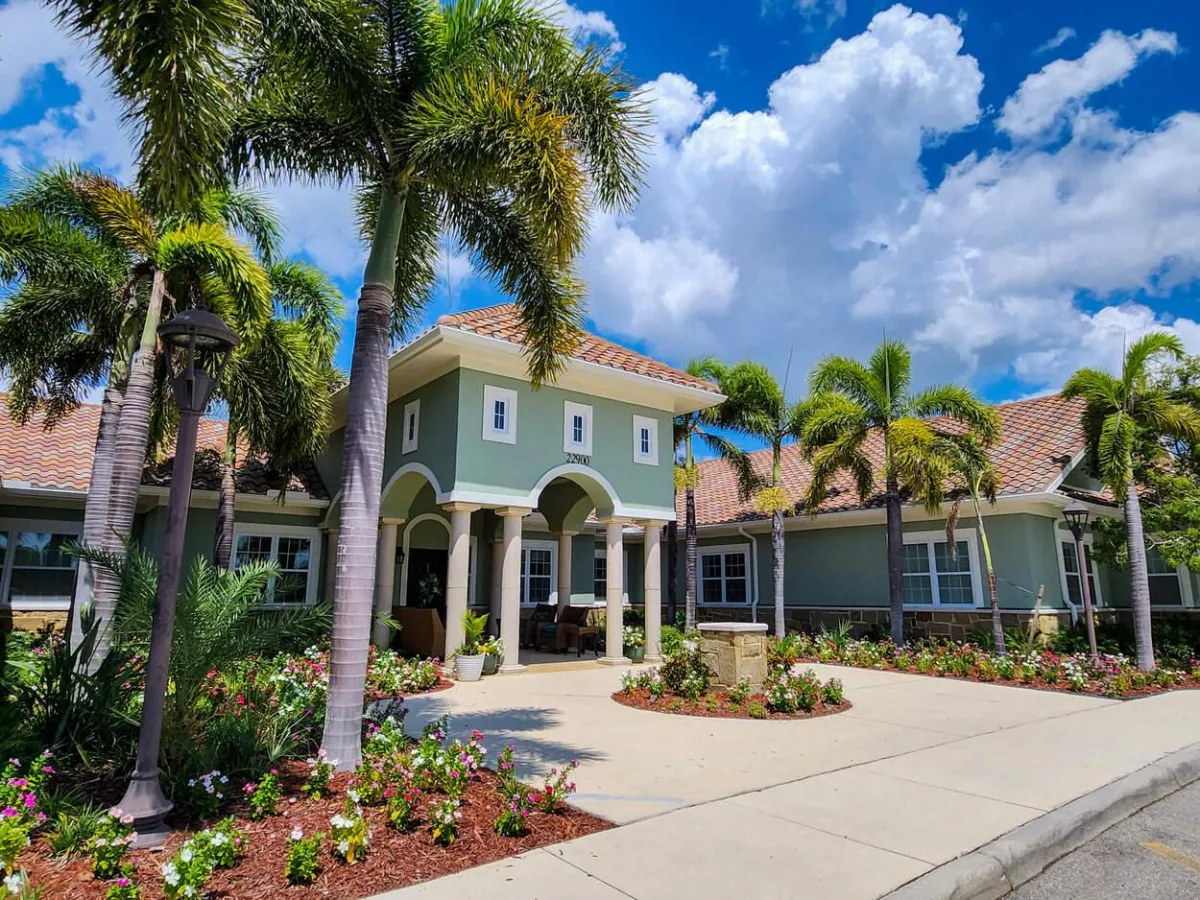
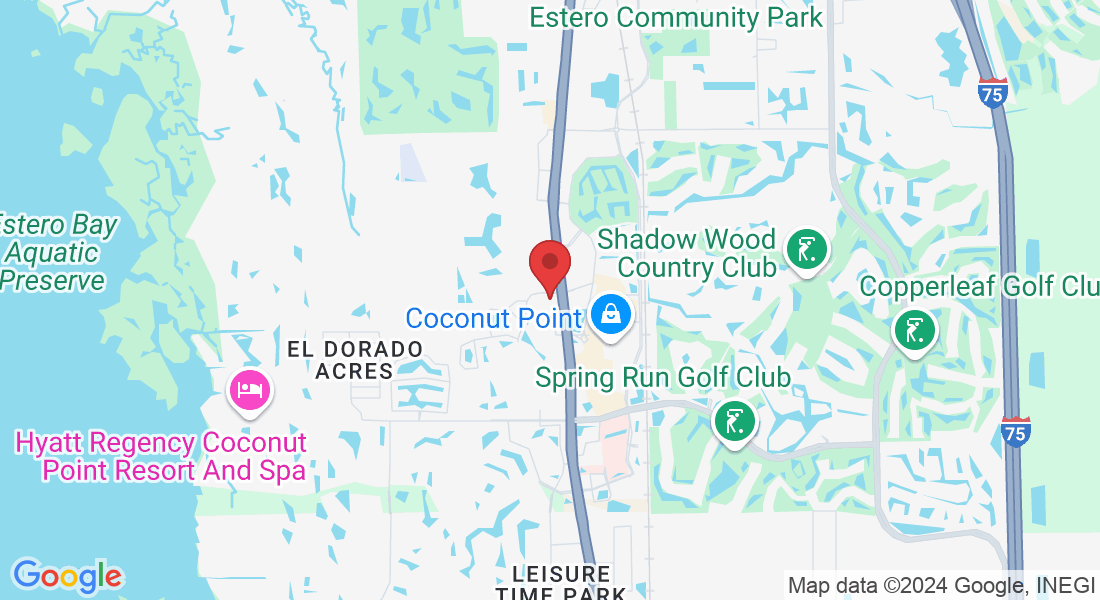
We are located at 22900 Lyden Drive in Estero, near Coconut Point. Families from across Southwest Florida, including our Fort Myers and Estero neighbors, are welcome to visit. Learn more about Gulf Coast Memory Care or call (239) 427-1455 to talk through which option fits your family.
Frequently Asked Questions
What is the difference between a nursing home and memory care?
A nursing home focuses on round-the-clock skilled medical care for a wide range of conditions. Memory care focuses on the daily needs of people with Alzheimer’s and dementia, with a secure environment, dementia-trained caregivers, and structured activities.
Does memory care include nursing?
Memory care typically includes nursing oversight, medication management, and health monitoring. It does not usually provide the round-the-clock skilled medical treatment, such as IV therapy or advanced wound care, that a nursing home offers.
How do I know if my parent with dementia needs a nursing home?
A nursing home may be needed when daily skilled medical care is required, such as complex wound care, IV medications, or intensive rehabilitation. If the main challenges are memory loss, wandering, mood, and daily routines, memory care is usually a better fit.
Can someone move from memory care to a nursing home and back?
Yes. Some residents have a short stay in a skilled nursing facility for rehabilitation after a hospital visit and then return to memory care once they are medically stable.
Is there memory care with medical support in Estero, FL?
Yes. Gulf Coast Memory Care at 22900 Lyden Drive in Estero offers 24/7 dementia care with medication management, health monitoring, and coordination with physicians, hospice, and therapy partners.




Get In Touch
Looking for more information about Gulf Coast Memory Care? Complete the following form and someone from our office will follow up with you shortly.

Gulf Coast Memory Care
(239) 427-1455
22900 Lyden Dr, Estero, FL 33928
AL# 12921